



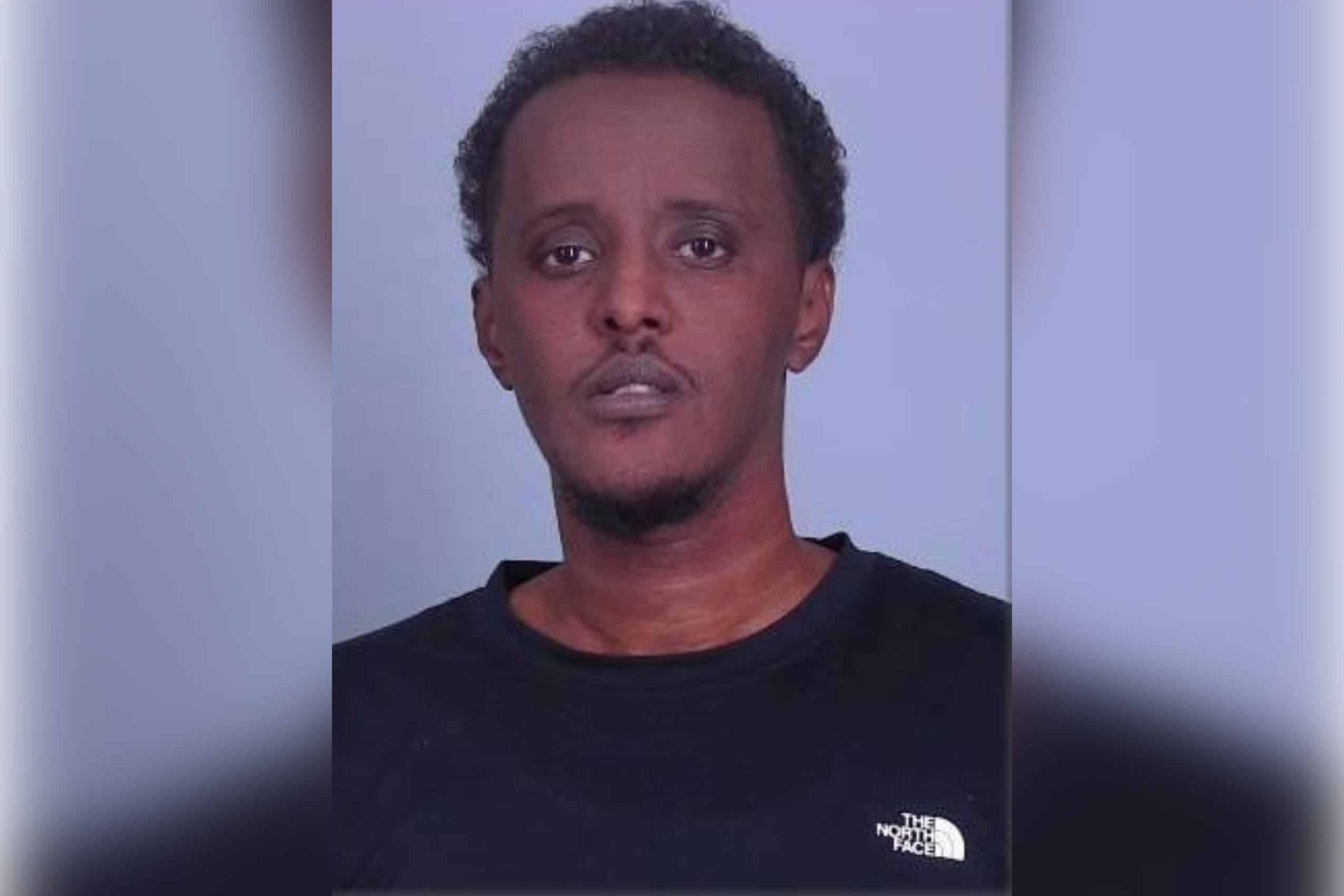
A federal judge ordered a 30-year prison sentence Wednesday for Salim Said, a central participant in a sprawling fraud operation that targeted a federal child nutrition program during the COVID-19 pandemic.
U.S. District Judge Nancy Brasel imposed the term in Minneapolis. Said, who operated Safari Restaurant specializing in Somali dishes, was convicted in 2025 of multiple charges. Prosecutors said he was responsible for $44 million in fraud, some committed by people he recruited.
He claimed a “ridiculous daily distribution of 6,000 meals” while FBI cameras showed about 40 people a day collecting food, prosecutors said in a court filing.
“The defendant and his sites did not serve thousands of children; he served a calculated, lucrative lie,” they wrote.
“You took more than taxpayers’ dollars to enrich yourself. You took the reputation of our state down with you,” Brasel told Said in the sentencing hearing.
He bought a $1.2 million home, commercial real estate, and an $87,000 pickup truck with the proceeds, the state said.
Said, a native of Somalia, denied the allegations while testifying at trial. At his sentencing, he expressed remorse. Defense attorney Barry Zone asked for 12 years and disputed that Said was the “architect” of the scheme.
Said’s sentence arrived months after the nonprofit’s founder received a longer prison term for orchestrating the broader scheme.
Aimee Bock, then 45, received a nearly 42-year sentence for what prosecutors described as a central role in the country’s largest COVID-19 pandemic fraud, which took in $242 million and produced dozens of indictments, many involving people of Somali descent. The case produced lasting effects in Minnesota and beyond, according to prosecutors.
Bock led the nonprofit Feeding Our Future, which prosecutors said functioned as a conduit for funds fraudulently drawn from the federal Child Nutrition Program intended to feed children. Pandemic rules altered the federal program that had mainly served children through schools—they allowed restaurants outside school grounds to take part.
In March 2025, a federal jury found both Bock and her codefendant Said guilty after a six-week trial.
Said was found guilty of conspiracy to commit wire fraud, four counts of wire fraud, conspiracy to commit federal programs bribery, nine counts of bribery, conspiracy to commit money laundering, and five counts of money laundering.
Bock was found guilty of conspiracy to commit wire fraud, four counts of wire fraud, conspiracy to commit federal programs bribery, and one count of bribery.
When imposing Bock’s sentence, Brasel said, “A sentence of less than 500 months would not do justice to the people of Minnesota, who were in a very real sense the victims of this fraud.”
Investigators described Bock’s nonprofit as the hub of a network that included partner groups, fake distribution sites, kickbacks, and fabricated lists of children.
The Associated Press contributed to this report.
This article was originally published by The Epoch Times.