



Last session, the DFL introduced the “Climate Superfund,” a piece of legislation aimed at Minnesota oil and gas producers which would force them to pay billions of dollars for greenhouse gases they released between the past 30 years.
Proponents of the legislation are eager to pursue a crusade against the oil and gas industry while ignoring red flags that could severely harm Minnesotans.
The first example of naivety from my DFL counterparts is the fact that oil and gas have been essential for our everyday lives. Whatever you may believe about renewable energy, we haven’t been — and still aren’t able to — power our homes and businesses exclusively with carbon-free energy sources. Trying to retroactively recoup billions from an essential industry is like trying to collect yesterday’s grocery bill from the food you already ate.
More concerning is the price tag that comes with this legislation for Minnesotans. It’s important to remember that fees and taxes imposed on businesses are shifted directly onto the shoulders of the consumers. The U.S. Chamber of Commerce estimated that if this legislation were to pass, Minnesota families can expect $7,000 annually in new costs by way of higher electric, housing, and transportation costs. At a time where basic necessities are expensive, the DFL ignores this fact, and instead offers us new fees that Minnesotans can’t afford.
To no surprise, Minnesota is following in the footsteps of states like California, New York, Vermont and Massachusetts, who have all advanced this legislation to varying levels. New York was the second state to pass this legislation which called for oil and gas companies to pay $75 billion for their alleged damages.
Rightfully, however, the New York law was struck down in a federal court by an Obama-appointed judge. In her decision, the judge said that the legislation is “simply beyond the limits of state law.” This is, of course, the correct decision that will be replicated in any other state that tries to pass this legislation.
While the court’s decision in New York should serve as a flashing warning sign for Minnesota lawmakers, I fear it will be ignored. The legal problems with the Climate Superfund are now plainly on display, and Minnesota should learn from New York’s experience rather than spend years and taxpayer dollars pursuing a policy that faces serious questions about the limits of state authority. The better course is to focus on policies that keep energy reliable and affordable for Minnesota families and businesses.
Unfortunately, there is little reason to believe the DFL will heed that warning. The Minnesota DFL’s 2026 Platform/Action Agenda, adopted at its state convention, explicitly includes support for a “Climate Superfund.”
So, if the DFL regains its trifecta, Minnesotans should know exactly what is likely to come next: another attempt to pass Climate Superfund, regardless of the legal and economic warning signs already flashing. The courts may have the final word on whether Minnesota can impose such a law, but voters will have the first word on whether lawmakers get another opportunity to try.
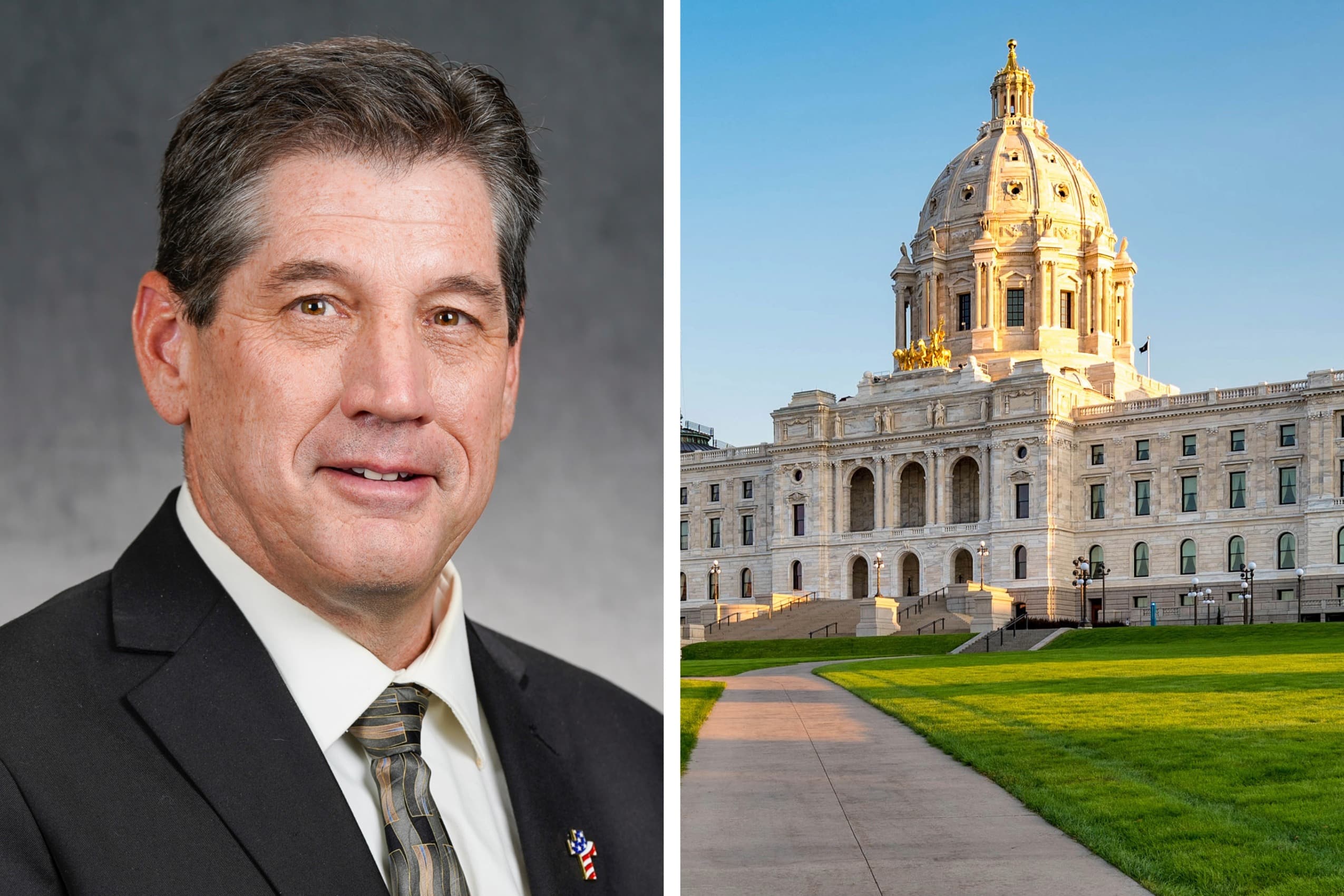
Rep. Steven Jacob represents district 20B in the Minnesota House of Representatives and serves on numerous committees including the Environment and Natural Resources Finance and Policy Committee. He is running for Senate District 20.
Steve Jacob
Rep. Steven Jacob represents district 20B in the Minnesota House of Representatives and serves on numerous committees including the Environment and Natural Resources Finance and Policy Committee. He is running for Senate District 20.