



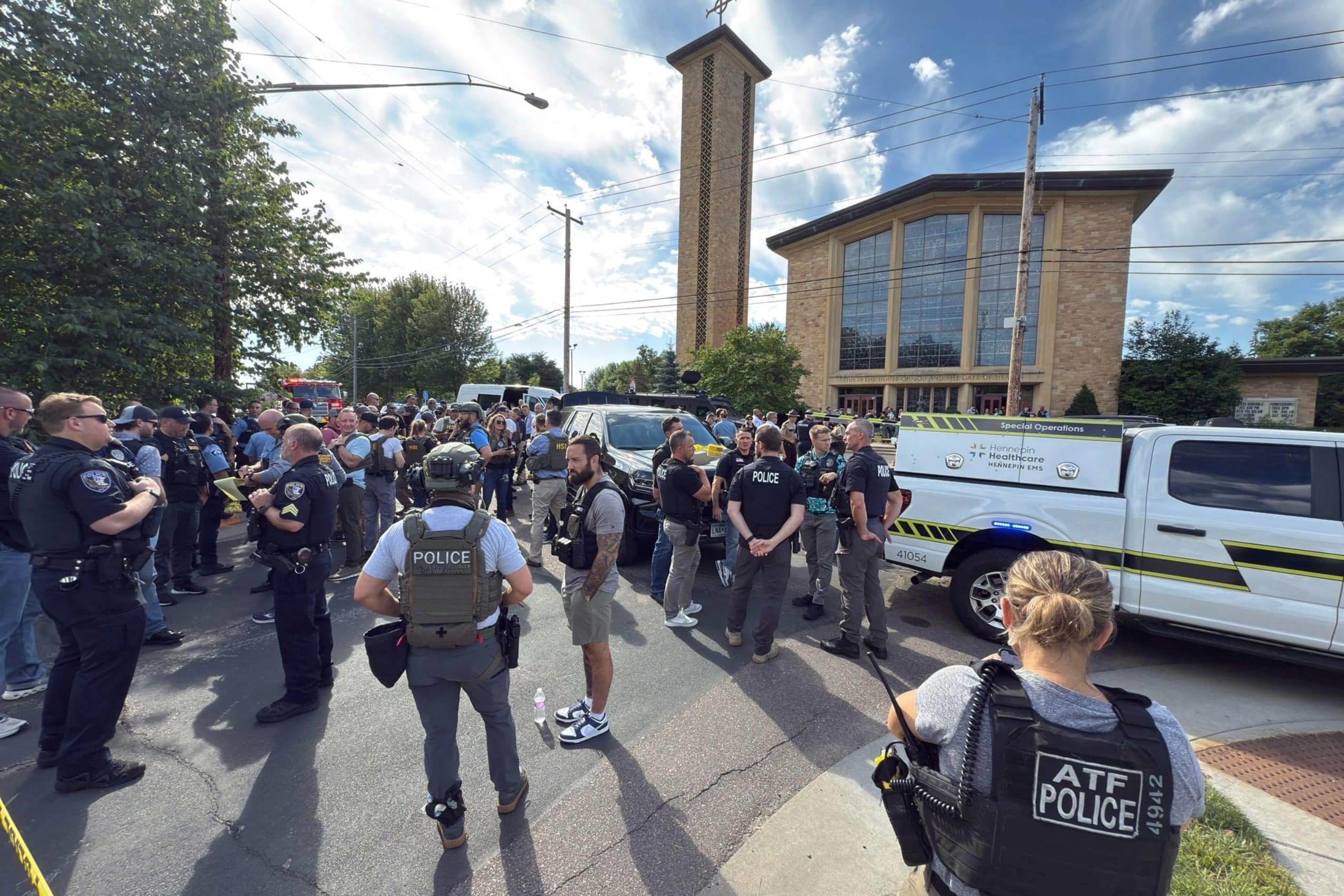
The pain of the Annunciation shooting is undeniable. Families, students, and an entire school community are grieving. In moments like this, the public expects leadership that is steady, disciplined, and focused on what will actually prevent the next tragedy. What Minnesotans are getting instead is a rush toward sweeping legislation.
Gov. Tim Walz has responded to the shooting with a broad package of gun‑control proposals: bans on commonly owned semiautomatic rifles, magazine‑capacity limits, safe‑storage mandates, liability‑insurance requirements, and additional financial or regulatory requirements related to firearms and ammunition. These proposals represent some of the most expansive firearm restrictions Minnesota has ever considered.
But the central question remains simple: Would any of these measures have stopped the attacker?
Minnesota already has expanded background checks and a red‑flag statute designed to temporarily remove firearms from individuals who pose a credible threat. These laws were passed with the promise that they would help prevent exactly the kind of violence that occurred at Annunciation. If warning signs existed, were these tools used? Were courts petitioned? Were schools and law enforcement coordinating? Were mental‑health systems engaged? These are not procedural footnotes — they are the core questions that determine whether the state used the authority it already has.
Reform without self‑examination is not reform. It is expansion. And expansion without accountability rarely produces better outcomes.
The proposed assault‑weapon ban would target firearms owned by thousands of responsible Minnesotans who use them for lawful purposes. Magazine limits may change capacity, but they do not eliminate access to other legal weapons. Liability‑insurance requirements effectively condition a constitutional right on the ability to pay, creating a financial barrier that falls hardest on working families. Safe‑storage mandates raise serious enforcement concerns: Will victims of theft face prosecution? How will compliance be verified without entering private homes? Measures that appear reasonable on paper can become punitive in practice.
Meanwhile, the least discussed issue is the most important: institutional performance. Threat‑assessment failures, inconsistent extreme risk protection order use, and weak coordination between agencies do far more to enable violence than the legal ownership of a rifle. If the systems designed to identify and intervene in dangerous situations did not function as intended, no amount of new legislation will fix that failure.
If the state failed to use the tools it already has, the answer is not to give the state more power.
Minnesotans deserve leaders willing to confront enforcement gaps, demand transparency, and fix broken systems before expanding government authority. Public safety and constitutional rights are not mutually exclusive—but preserving both requires discipline, not political theater. Real solutions begin with understanding what went wrong, not with passing laws that make headlines but leave underlying failures untouched.
Preventing the next tragedy will require serious work, not symbolic gestures. It will require institutions to examine their own performance and leaders to prioritize outcomes over optics. If we are serious about reform, we must start there. Because accountability begins at home.
Ken Uko serves on the Charter Commission for the City of Coon Rapids and previously served on the city’s Safety Commission. He is Vice President of the Hoover Elementary PTO, coaches AAU boys basketball for Minnesota Heat, and runs a local small business.
The views and opinions expressed in this commentary are those of the author and do not represent an official position of Alpha News.

Ken Uko
Ken Uko serves on the Charter Commission for the City of Coon Rapids and previously served on the city's Safety Commission. He is Vice President of the Hoover Elementary PTO, coaches AAU boys basketball for Minnesota Heat, and runs a local small business.