



As Minnesota’s fraud crisis continues to make national news, much of the discussion has focused on the fraudsters and lost funds. However, less attention has been paid to how the fraud has imperiled longtime social service providers in Minnesota.
Last year, Gov. Tim Walz ordered that 14 state-administrated social service programs be subjected to a new payment review process. This action was issued in an effort to blunt the ongoing fraud that has occurred in Minnesota over the last several years.
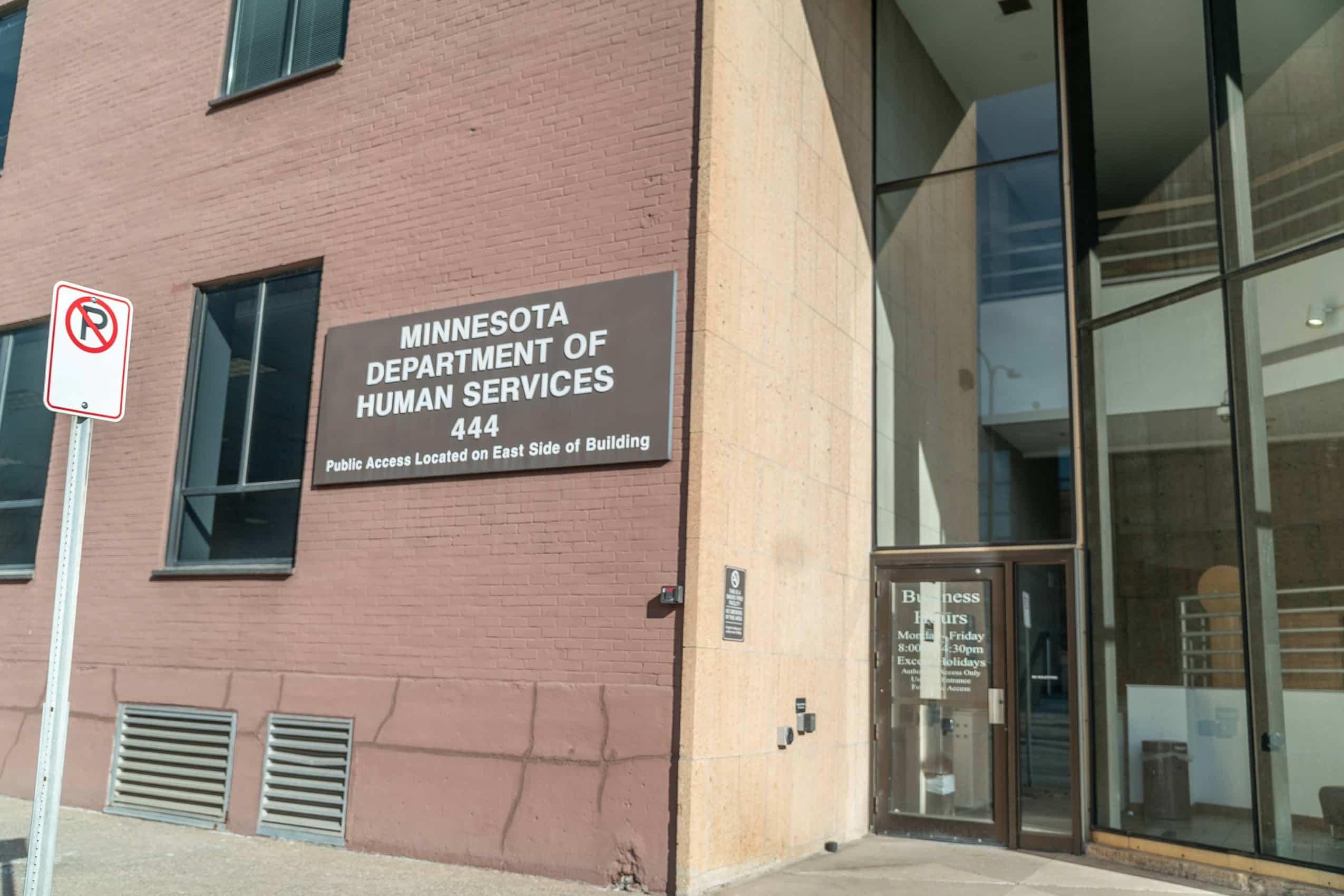
According to the Minnesota Department of Human Services (DHS), claims submitted to the 14 programs will now be reviewed by Optum, a contracted third-party. This process, which began at the end of December, will delay payments to social service providers by a minimum of two weeks.
However, longer delays will occur if claims are flagged as needing “further review.” While DHS says it expects to pay most claims within 30 days, payments could be delayed by up to 90 days. Any claim that is deemed fraudulent would not be paid.
In a statement to Alpha News, DHS said “we intend for pre-payment review to be part of our standard process going forward.”
Longtime social service providers struggling to adjust to new process
Last week, Heartland Community & Home Care said it will close its doors after 40 years of providing services. The care provider has three locations in Minnesota and a Better Business Bureau rating of A+.
“Heartland will be closing its doors, effective Fri, Jan 16th at 5 PM,” wrote the organization. “Ongoing disruptions in state funding have left us without the financial stability needed to continue providing care in a safe and responsible way.”
“We know many are concerned about next steps for Heartland’s caregivers & staff,” wrote Heartland. “At this time, we plan to make payroll — although we do not yet know if or how much the State of MN will reimburse us for services already provided.”
In the small northern town of Bovey, Meghann Hussman is the president of Bella Mente, a home healthcare provider she runs with her mother. Bella Mente was founded in 2018 and provides personal care services for vulnerable adults and children.
“Providers are closing. Caregivers are leaving. And vulnerable Minnesotans are at risk of losing care with no notice,” Hussman said. “This is happening right now, behind the scenes. I’m speaking out because silence is no longer an option, and because the public deserves to know what their government is doing in their name.”
During the last decade, Bella Mente has undergone more than 10 full audits and passed them, Hussman said. “We follow the law,” she continued. “We document everything. We deliver care the state itself authorizes.”
Then, on Christmas Day, Bella Mente was notified of changes in payments, according to Hussman.
“While families were celebrating, we were being told that payment for approved care would be withheld, with no warning and no immediate recourse,” Hussman said. “If we stop paying workers, we’re punished. If we stop serving clients, we’re punished. If we keep operating while the state withholds payment, we’re punished anyway. That’s not accountability. That’s an impossible catch-22.”
In Brainerd, it’s a similar story. Missy Hines operates Golden Heart Home Health Services and won the 2025 award for Best Elderly Care Services from a local Best of the Best competition. Now, Hines says she feels “sidelined by the Minnesota governor and DHS.”
“No one seems to want to listen to the people being punished who aren’t committing fraud but are paying the price,” Hines said. “None of our clients have gone without care yet, and our two-hundred plus employees are still caring for the most vulnerable population.”
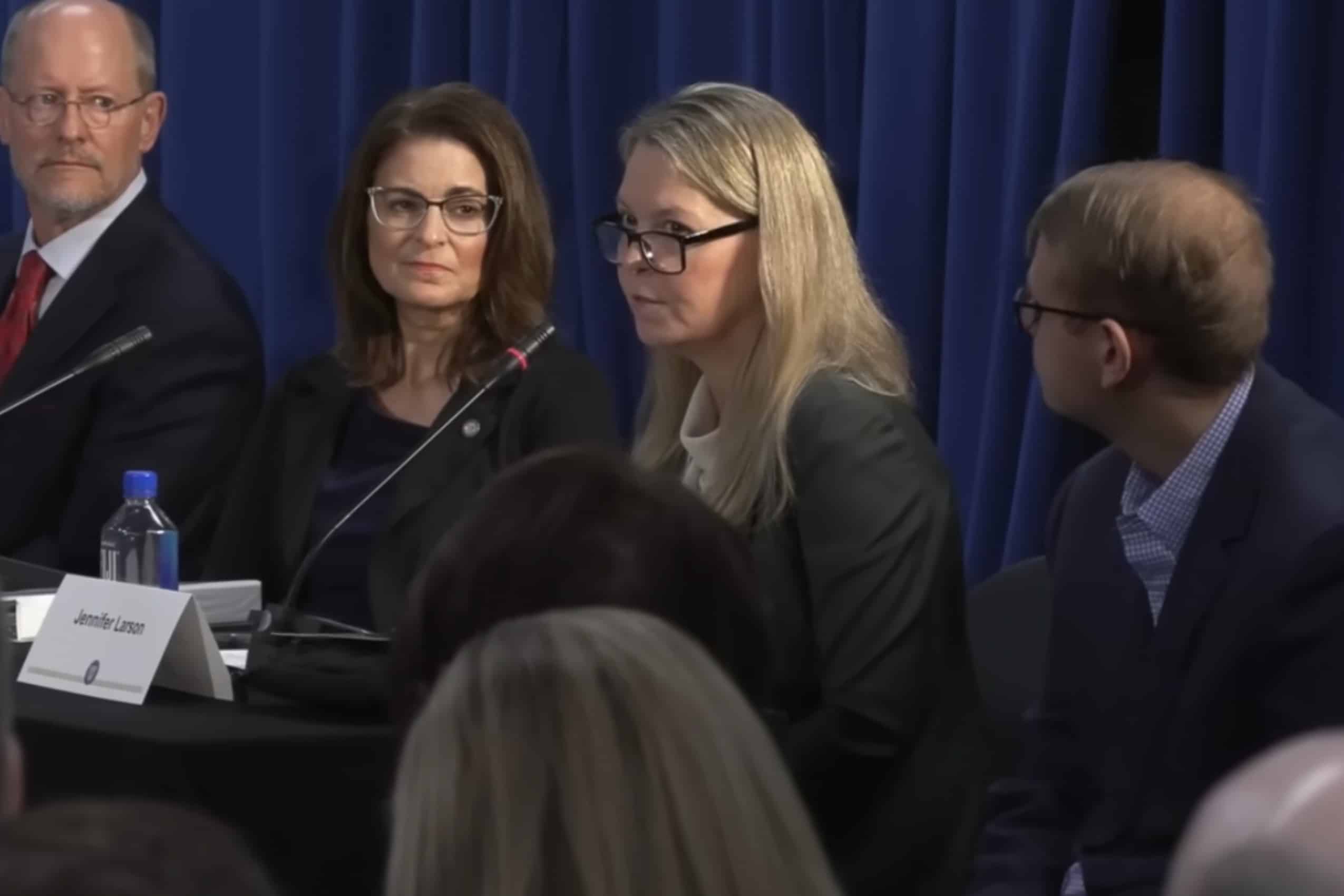
At a recent roundtable led by Treasury Secretary Scott Bessent, Jennifer Larson shared her experience as the owner and CEO of Holland Center, a treatment program and medical clinic for children with autism. Holland Center has multiple locations.
Larson told the panel that the fraud “has damaged public trust and diverted taxpayer dollars. It does demand a strong response. We all want the crime rings identified, prosecuted and eliminated. But the response chosen by the state of Minnesota, a blanket pause on all autism payments, is having devastating collateral damage.”
“Longtime legitimate providers like myself who passed yearly on-site audits, complied with all requirements and delivered documented services are now being starved of operating revenue,” Larson said. “Clinics are closing. Staff are being laid off. Families are losing care in the middle of approved treatments. Children with autism are experiencing abrupt service disruptions that will have lifelong consequences.”
Minnesota Department of Human Services responds
Asked about the struggles providers are facing, DHS said, “We know payment delays can cause real challenges for many providers we work with, the majority of whom are legitimate businesses that work hard to provide important services to Minnesotans.”
“We do not have a way to expedite payments to individual providers, but we are committed to making the pre-payment review process as efficient as possible for legitimate providers so that they can continue their important work,” DHS added.
So far, several social service providers have sued DHS because of the new pre-payment review process.
Additionally, the U.S. Department of Health and Human Services (HHS) froze billions of dollars in funding that was supposed to go to social service programs in Minnesota and four other states. Announcing the move last week, HHS said those funds were frozen due to concerns about “widespread fraud” in state programs.
HSS also noted that the funds will remain frozen until HSS determines the five states are complying with federal requirements. All five of those Democrat-run states, including Minnesota, have sued to reverse the federal government’s decision.