




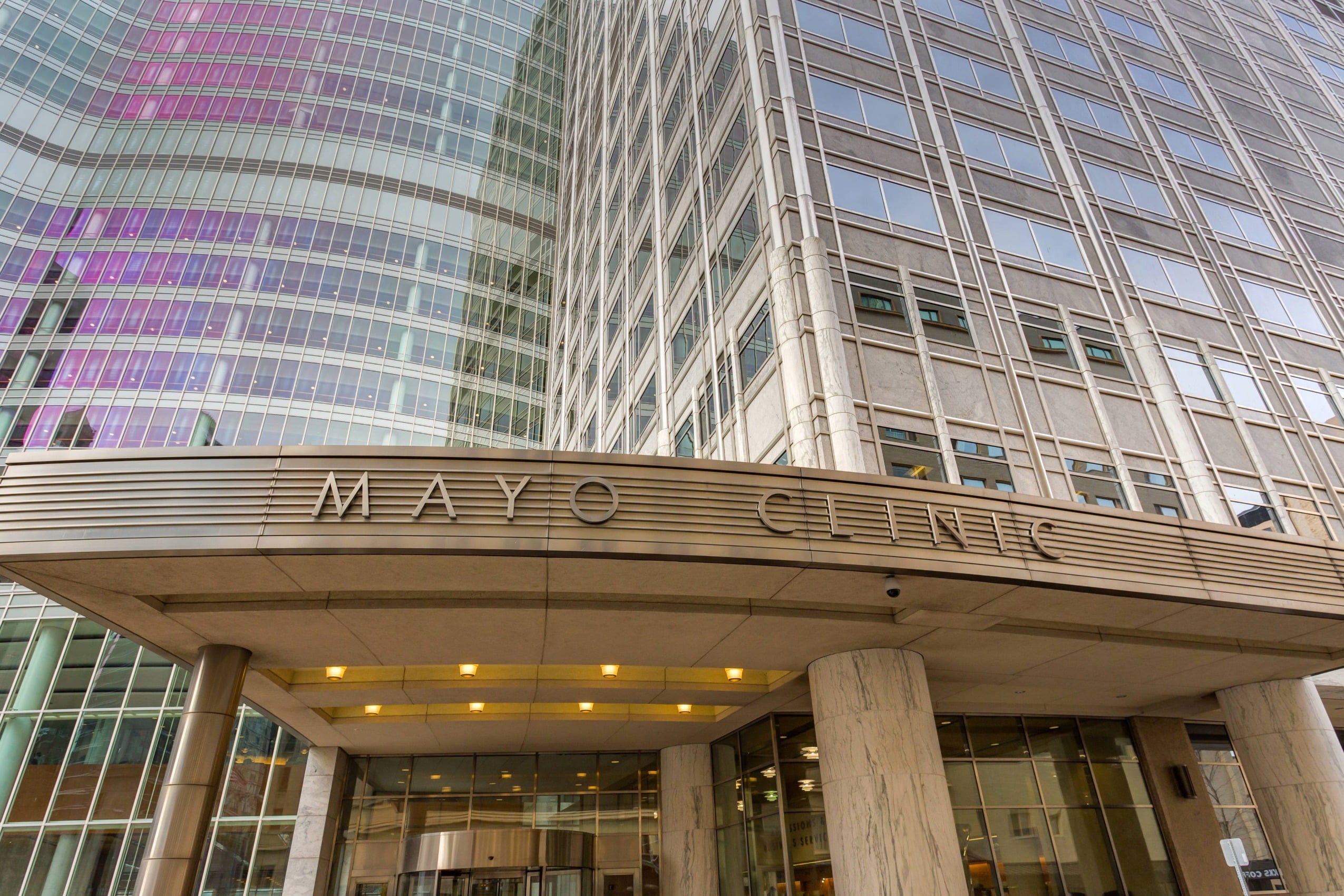
Mayo Clinic will pay $50,000 to settle a lawsuit brought by the federal government after it “unlawfully denied” an employee’s request for a religious exemption from the COVID-19 vaccine.
The lawsuit was first filed by the Equal Employment Opportunity Commission (EEOC) in July 2025 and centered on Mayo’s vaccine mandate issued in October 2021. The mandate required every Mayo Clinic employee to get vaccinated by Dec. 3, obtain a religious or medical exemption, or face termination.
In November of that year, security guard Cody Schultz requested a religious exemption to the vaccine mandate, citing his membership in the Assemblies of God Church. Schultz explained that the vaccine contained ingredients that were inconsistent with his faith and said his church believes in “divine healing.”
Schultz, a non-medical employee, said he would be willing to wear a mask and undergo COVID testing instead of being forced to get the vaccine. Mayo Clinic denied Schultz’s request and he ended up taking the vaccine to avoid being fired. According to the EEOC, Mayo did not believe Schultz’s religious beliefs were sincere.
In addition to paying damages to Schultz, the settlement prohibits Mayo Clinic from failing to provide religious accommodations to its vaccination requirements “absent undue hardship” and from retaliating against employees who request such accommodations in the future, the EEOC said in a press release this week.
“Even when faced with unique challenges like the pandemic, employers must comply with federal civil rights laws,” said Christopher Lage, EEOC deputy general counsel.
“An employer should ordinarily assume that an employee’s request for religious accommodation is based on a sincerely held religious belief, unless it has an objective basis for further inquiry. Employers should provide accommodations for all aspects of religious observances or practices unless doing so would result in an undue hardship.”
Under the settlement, the EEOC said Mayo will also “adopt and affirm policies addressing requests for religious accommodation; provide annual training on religious accommodations for the human resources employees involved in the review and approval of accommodation requests; post a notice of employees’ rights; and submit periodic compliance reports to the EEOC.”
“Mayo Clinic maintains that its vaccination program was established in accordance with the law to protect the health and safety of staff, patients and communities, and it included a process to accommodate religious beliefs,” Mayo Clinic said in a statement.

Anthony Gockowski
Anthony Gockowski is Editor-in-Chief of Alpha News. He previously worked as an editor for The Minnesota Sun and Campus Reform, and wrote for the Daily Caller.