



The first Thanksgiving calls to mind a slideshow of images: the “Mayflower,” Plymouth Rock, men in funny black hats, Indians, and turkey. Except for wild turkey, which may have been absent from the menu for that feast, these generalities ring true, but they cause us to forget that those men, women, and children we call Pilgrims were flesh-and-blood human beings.
Think of what they had done and endured. With many of them seeking escape from England’s harsh religious codes of the time, 102 passengers boarded a small English ship in Southampton on Sept. 26, 1620, sailed the rough Atlantic seas for 66 days, missed their intended destination by several hundred miles, and selected the place they deemed suitable for settlement just as the bitter New England winter was setting in. Before their Thanksgiving feast a year later, half of this company would die of disease, exposure to the elements, and malnutrition.
So, who were these people who had traveled so far from the familiarity of their native land?
The guiding lights
Three prominent leaders of this expedition into the unknown—William Bradford, Myles Standish, and William Brewster—are names found in textbooks and histories. Bradford and Brewster left behind extensive writings about the ordeal, and Standish appears on many of these pages.
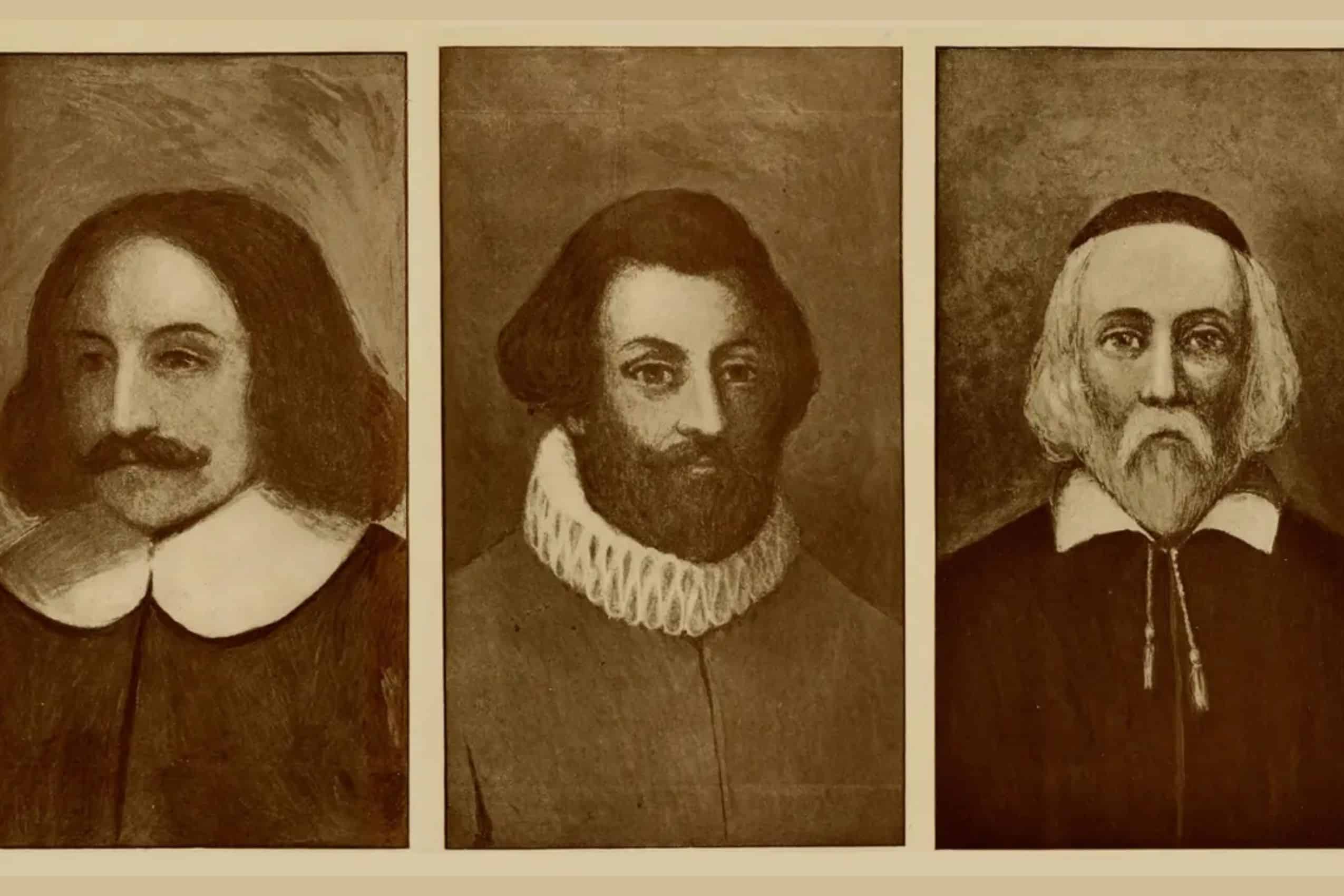
Bradford, who became the second governor of the colony after John Carver died in the spring of 1621, helped draft the Mayflower Compact while still aboard the ship, thereby creating the first document of self-government in this new land. His journal, “Of Plymouth Plantation,” chronicles specifics of their triumphs and disasters, and affords insight into the author’s personality and way of thinking.
Bradford and his wife, Dorothy, left their young son in England, intending to fetch him when the settlement was secure. While Bradford and others were onshore hunting for a place to settle, Dorothy fell from the “Mayflower” and drowned in the frigid Cape Cod harbor waters. She was among the first casualties of the brutal ordeal awaiting the Pilgrims.
Myles Standish, an experienced soldier, was originally hired by the Pilgrims to direct the colony’s military affairs. Noted for his short height and quick, fiery temper, he also served as a keeper of the law. Though Standish himself never became sick and did a commendable job of caring for those who did, his wife, Rose, died in the winter after landing. Standish later married a new arrival at Plymouth, and the couple had seven children.
William Brewster was a Separatist church elder. The Separatists were those who believed that the Church of England was too corrupt for reform and so had formed their own congregations. He functioned as the colony’s spiritual guide. With him were his wife, Mary, and two sons, named Love and Wrestling. Brewster was unusual in that he owned several hundred books. Both he and his wife survived the torturous winter of 1620–1621.
Separatists and strangers
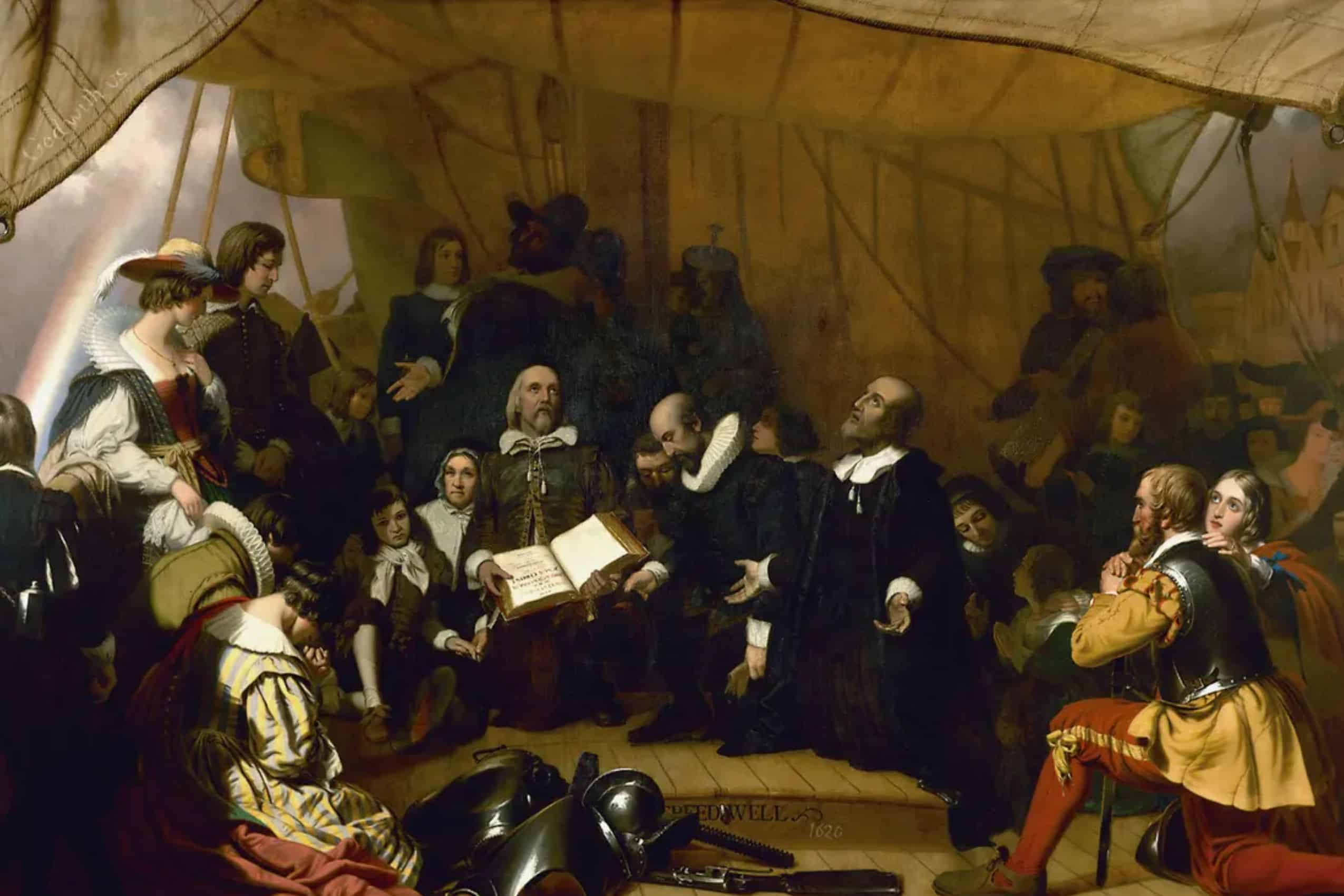
The Pilgrims were a mix of English society. Most of them were Separatists, but some had come for reasons other than religious freedom. Some, who came for wealth or adventure, the Separatists sometimes called Strangers. Over a period of many years of meticulous investigation, researchers have tracked down details about most of these colonists, uncovering particulars that explain further who they were and giving personalities to their names.
William White, for instance, like so many of his fellow travelers, left England for Holland, where the government tolerated the Separatist movement. There he met and married Susanna Jackson, another religious exile. After this couple and others returned to England from Holland, they joined the passengers aboard the “Mayflower.” Between them they had one son, Resolved, and then a second, Peregrine, who was born while the ship lay at anchor in Provincetown Harbor. White died in February 1621. A few months later, Susanna married Edward Winslow and became mother to four additional children.
Theirs was the first marriage at Plymouth. Susanna was also only one of four of the 18 “Mayflower” women who lived to see the 1621 Thanksgiving feast.
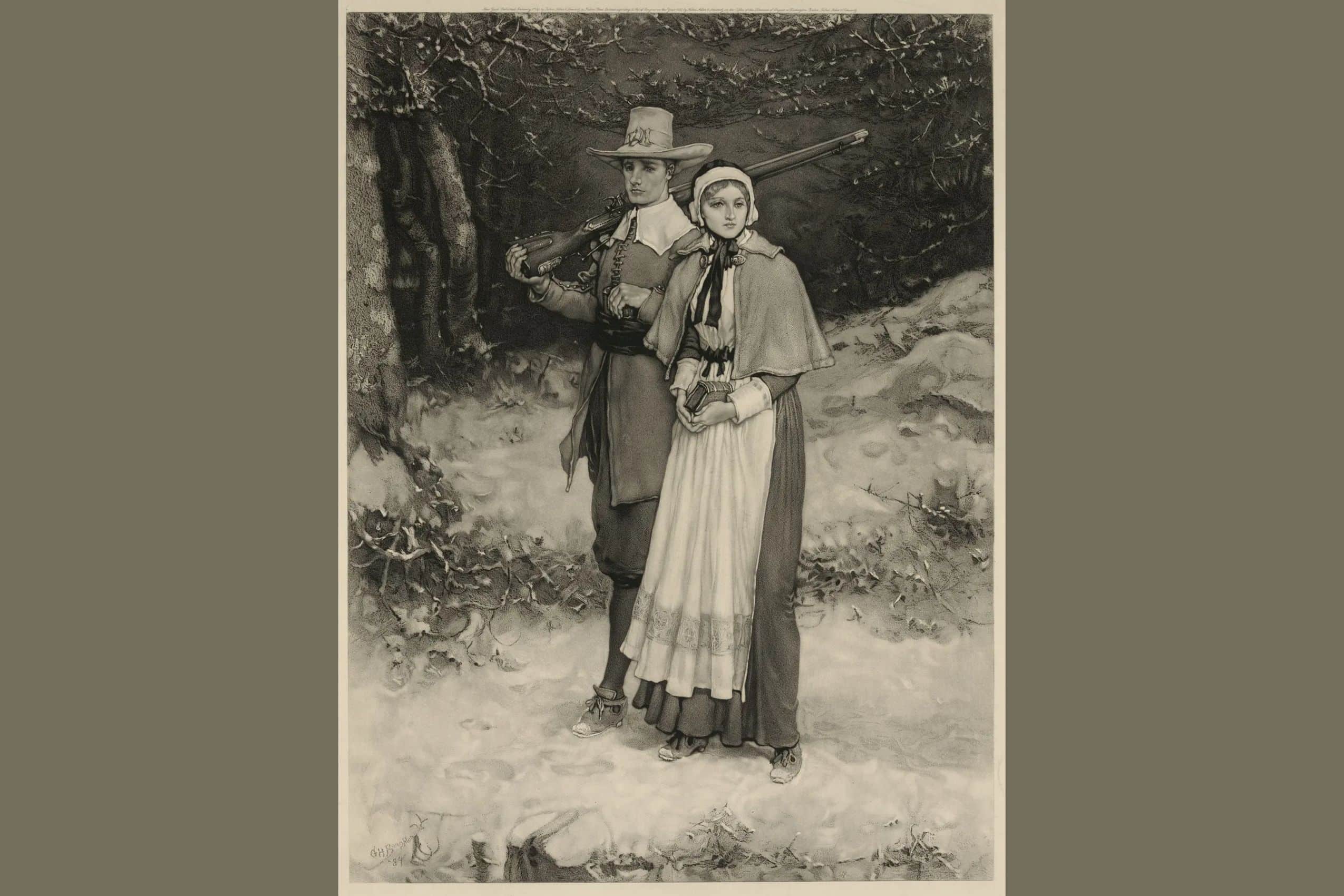
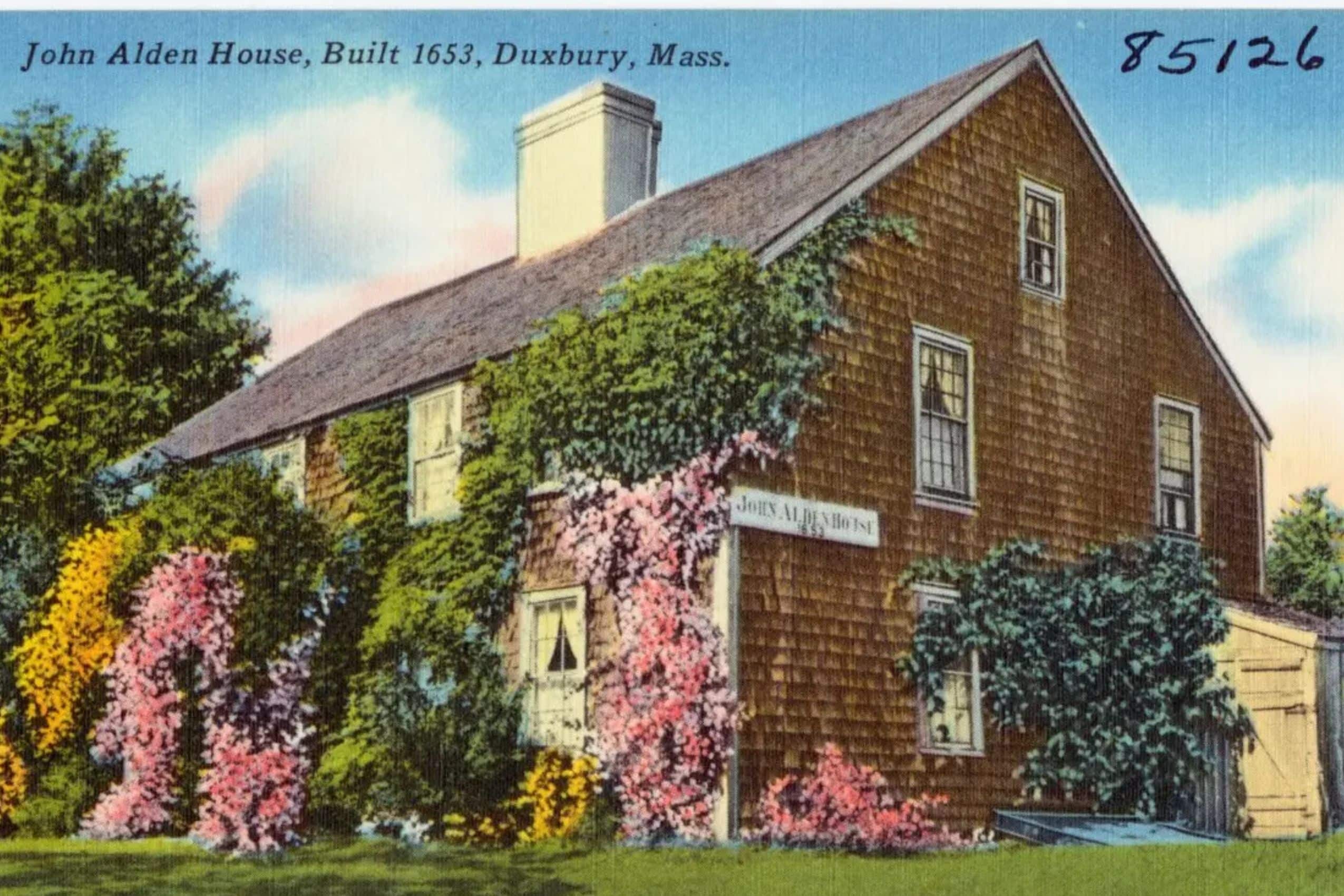
John Alden appears in Longfellow’s poem “The Courtship of Myles Standish.” Longfellow’s Standish recruits Alden to ask for Priscilla Mullins’s hand in marriage for him, to which Priscilla replies, “Why don’t you speak for yourself, John?” The story is fiction, but Alden, a cooper and carpenter, did indeed marry Priscilla after he’d decided to stay in Plymouth rather than return on the “Mayflower” to England.
Their marriage produced 10 children, and though Alden was never financially wealthy, he became land rich and was able to leave property to his offspring. The Alden House, which he built, still stands today in Duxbury, Massachusetts.
The graves of children
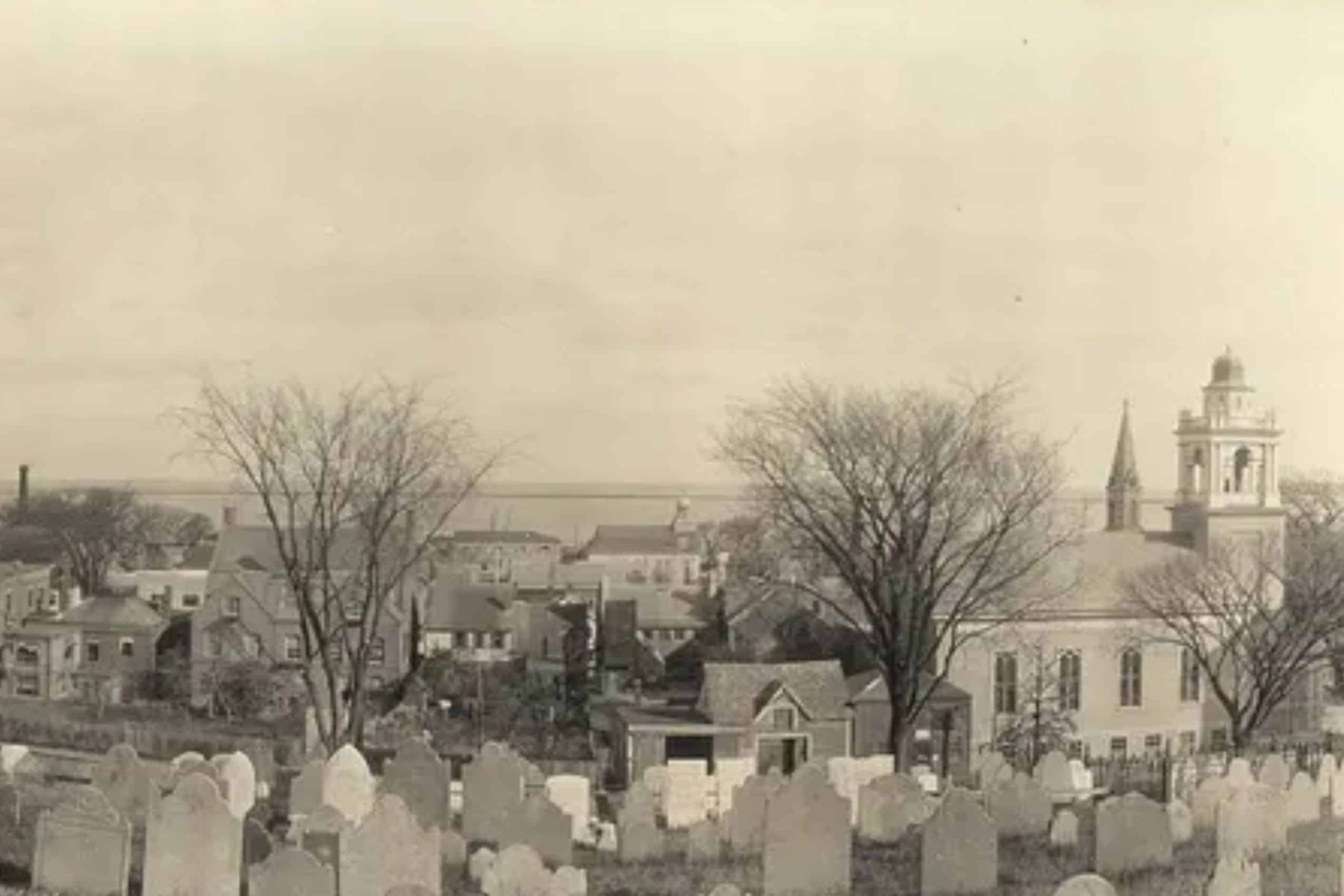
In that first winter in Plymouth, death made no exception for the young.
One of the sadder accounts of the misfortunes of the Plymouth colony involves the More children. They were the product of dalliances between their mother, Katherine, who was the wife of Samuel More, and a neighbor, Jacob Blakeway, before coming to America. When Samuel realized that his four children—Ellen, Jasper, Richard, and Mary—were in fact born of his wife’s infidelity, an acrimonious divorce followed, and Blakeway found himself charged with the care and custody of the children, ranging in age from 4 to 8.
Though not a Separatist, Blakeway paid the Pilgrims to take the children with them to America. Elder William Brewster and his wife took into their care Richard and Mary, Governor John Carter added Jasper to his household, and Edward Winslow and Elizabeth—she was another casualty of the winter of 1620 and 1621—took Ellen.
Of these four siblings, only Richard survived the voyage and that terrible first year of want and death. Though he lived with the Brewsters until 1627 and became a seaman and a ship’s captain, Richard apparently never fully embraced their religious faith. In 1688, the Salem church noted: “Old Captain More having been for many years under suspicion and common fame of lasciviousness, and some degree at least of inconstancy … but for want of proof we could go no further. He was at last left to himself so far as that he was convicted before justices of peace by three witnesses of gross unchastity with another man’s wife and was censured by them.”
Other names from the ship’s passenger list have left less of a trail. Little, for example, is known of John Hooke. Apprenticed to Isaac Allerton less than a year before the “Mayflower” sailed, Hooke, then in his early teens, died during that first winter.
To read dozens more of these Pilgrims’ stories, visit the passenger list on MayflowerHistory.com.
Days of Thanksgiving 1621
After so dark and cold a winter of death, the warmer months must have seemed a paradise to the survivors. In early fall, William Bradford wrote:
“They began now to gather in the small harvest they had, and to fit up their houses and dwellings against winter, being all well recovered in health and strength and had all things in good plenty. For as some were thus employed in affairs abroad, others were exercised in fishing, about cod and bass and other fish, of which they took good store, of which every family had their portion. All the summer there was no want.”
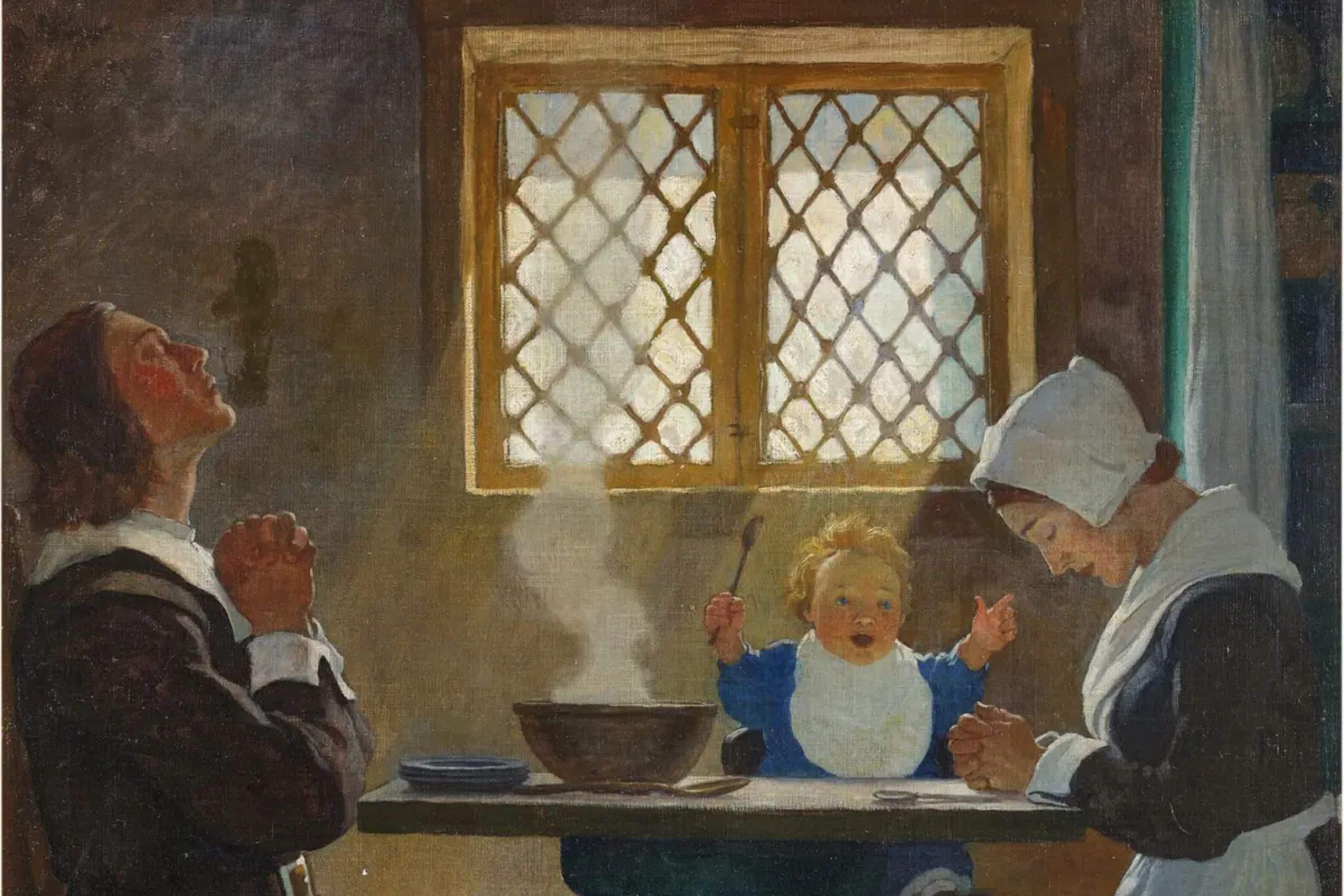
As was the custom back in England, the 53 remaining Pilgrims celebrated a thanksgiving in gratitude for the plentiful game and the harvest. They were thankful as well for the friendship of the Wampanoag tribe, who had given them food, and for the English-speaking Squanto of the Patuxet tribe, who taught them how to plant corn and use fish for fertilizer.
In his journal, with some entries in the hand of Bradford, Edward Winslow recorded this feast and its festivities, at one point writing:
“Many of the Indians coming amongst us, and amongst the rest their greatest king Massasoit, with some ninety men, whom for three days we entertained and feasted, and they went out and killed five Deer, which they brought to the Plantation and bestowed on our Governor, and upon the Captain and others. And although it be not always so plentiful, as it was at this time with us, yet by the goodness of God, we are so far from want, that we often wish you partakers of our plenty.”
Land of the Pilgrims’ pride
To offer up gratitude over the graves of so many family members and friends speaks loudly of the survivors’ faith and the strength of the customs they had carried with them from England. They left these and other gifts to the generations that succeeded them.
An astounding statistic is also a part of their heritage. Historians and genealogists estimate that 30 million to 35 million people living worldwide can today trace a part of their ancestry back to this tiny band of Pilgrims, a tally that includes notable men and women like John Adams, Marilyn Monroe, Julia Child, Bing Crosby, and Clint Eastwood.
And in a certain sense, all Americans are descendants of the Pilgrims. We still look to them as one of the springs from which flow our liberties and rights. We hear this sentiment echoed in Samuel Francis Smith’s 1831 song, “America (My Country, ’Tis of Thee)”:
My country, ’tis of thee,
Sweet land of liberty,
Of thee I sing;
Land where my fathers died,
Land of the Pilgrims’ Pride,
From every mountain side
Let freedom ring.
During the festivities of this year’s Thanksgiving Day, let’s pause to remember and salute those stalwarts from 400 years ago who mark the beginning of our American story.
This article was originally published by The Epoch Times.

Jeff Minick | The Epoch Times
Jeff Minick has four children and a growing platoon of grandchildren. For 20 years, he taught history, literature, and Latin to seminars of homeschooling students in Asheville, N.C. He is the author of two novels, “Amanda Bell” and “Dust On Their Wings,” and two works of nonfiction, “Learning As I Go” and “Movies Make The Man.” Today, he lives and writes in Front Royal, Va.