


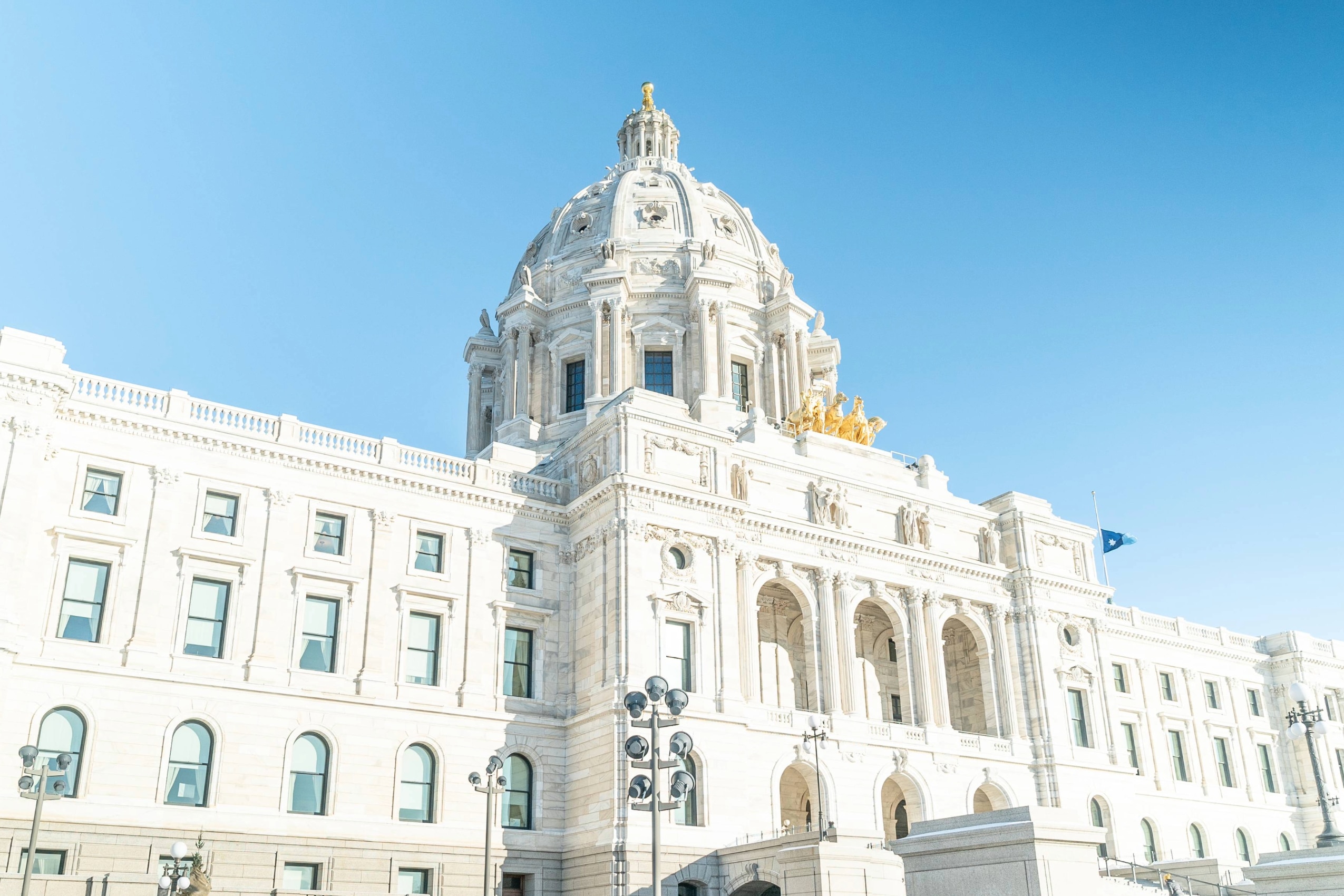
Minnesota’s new paid leave program will officially become operational on Jan. 1. That law, along with several other new statutes, are slated to take effect at the start of next year.
In 2023, Democrats passed Minnesota’s paid leave law. That program allows workers to take 12 weeks of medical leave or family leave per year. If someone decides to use a combination of family and medical leave, they can receive benefits for up to 20 weeks.
During that leave, program recipients are paid between 55% and 90% of their regular wages. At present, weekly benefits cannot exceed $1,423 per week. The funding for this program comes from payroll taxes on employers and employees.
Every Minnesota employer is required to participate in the program except for independent contractors, Indian tribes, and those who are self-employed. Businesses across Minnesota have consistently warned that the costs of the program will lead to business closures.
Full-time, part-time, temporary, and many seasonal workers are all eligible for paid leave benefits and their jobs are protected while they are on leave. The state agency overseeing the program has refused to say whether illegal aliens can receive paid leave benefits.
Illegal alien adults no longer allowed on MinnesotaCare
Starting Jan 1., illegal alien adults are no longer allowed to use MinnesotaCare, a state-run program that provides healthcare coverage to low-income Minnesotans. However, illegal alien children will still be allowed to use the program.
In 2023, Democrats changed state law to allow illegal aliens to enroll in MinnesotaCare. The program, funded via a combination of state dollars, federal dollars, and MinnesotaCare premiums, became a point of serious contention during the 2025 legislative session.
During state budget negotiations earlier this year, Republicans in the Minnesota House of Representatives were able to get Democrats to repeal the state law that allows illegal alien adults to use MinnesotaCare.
As such, MinnesotaCare eligibility for illegal alien adults comes to an end on Dec. 31, 2025. Under the bipartisan agreement, illegal alien children can still use MinnesotaCare.
Other laws taking effect at the start of 2026
Another law taking effect in the new year is a statute that gives people more legal tools to protect vulnerable adults who may be victims of scams and financial exploitation. In short, the law gives individuals a streamlined ability to petition a court for relief if they believe a vulnerable adult’s assets are in danger.
Starting next year, individuals and groups sending out sample ballots and absentee ballot applications will need to identify that their mailing is not coming from a government agency or unit. If a mailing includes a sample ballot, that mailing must include a note that the sample ballot is not a real ballot.
Also taking effect on Jan. 1 is a law which clarifies that workers are allowed 15-minutes “or enough time to utilize the nearest convenient restroom, whichever is longer,” for every four hours of consecutive work. The law also clarifies that workers are entitled to a half-hour meal break for every six hours of consecutive work.
Minnesota lawmakers also repealed the “shotgun zone” which banned hunters from using rifles to hunt deer in the southern half of Minnesota. Within this zone, hunters were only allowed to use legal shotguns and handguns for deer hunting.
Starting next year, the “shotgun zone” prohibition against using rifles for deer hunting will no longer exist, but counties in the “shotgun zone” will have the authority to impose their own limits on firearms used for deer hunting.

Luke Sprinkel
Luke Sprinkel previously worked as a Legislative Assistant at the Minnesota House of Representatives. He grew up as a Missionary Kid (MK) living in England, Thailand, Tanzania, and the Middle East. Luke graduated from Regent University in 2018.