


Finding a responsible path forward sometimes requires looking honestly at our past.
I don’t believe in assigning blame for its own sake, and I’ve never been interested in governing through outrage or performative politics. But accountability matters, and when decisions made by those in power directly shape the outcomes we are living with today, it’s neither partisan nor divisive to say so plainly. If we are unwilling to acknowledge how we got to where we are, we will never be able to chart a better course forward or recognize warning signs in the future.
I believe some of what we’re seeing today resembles a familiar kind of public hysteria, born out of genuine concern but amplified by irresponsible leadership. Rather than grounding the public in facts and truth, too many politicians have chosen to inflame fear and confusion for their own purposes.
Minnesota, and particularly the Twin Cities metro area, has not fully healed from the civil unrest of 2020. A police station was burned to the ground. Millions of dollars in damage were inflicted on both public and private buildings. What Minnesotans witnessed was a complete breakdown of authority, and responsibility for that failure rests with elected leaders and public officials who allowed chaos to replace order.
In the years that followed, law enforcement agencies across the country, and especially in our state, worked to rebuild trust with the communities they serve. In much of Greater Minnesota, that trust has largely been restored. In parts of the metro, some agencies made real progress, while others remained stuck in the trenches. Policies that were soft on crime and a lack of clear leadership left too many good officers effectively handcuffed from enforcing the law. When the rule of law erodes, criminal enterprises thrive. A revolving-door justice system has never worked, and it never will.
None of this means we cannot pursue alternatives to incarceration. We absolutely can and should. But history is important. It shapes what we are seeing today in several metro cities, and ignoring that context only guarantees that we repeat the same mistakes.
Consider a hypothetical. Imagine the federal government sends additional agents into Minnesota without a headline-grabbing name or a media-driven rollout. State leaders stay out of the spotlight. Local law enforcement quietly works with federal partners to remove criminal illegal immigrants. A federal agent contacts a local department about a known offender. Local officers verify prior contact, confirm a judicial warrant and a final removal order, and assist in a lawful, controlled arrest. This process is professional, coordinated, and peaceful.
This is not new. This is how immigration enforcement has worked for decades across the country.
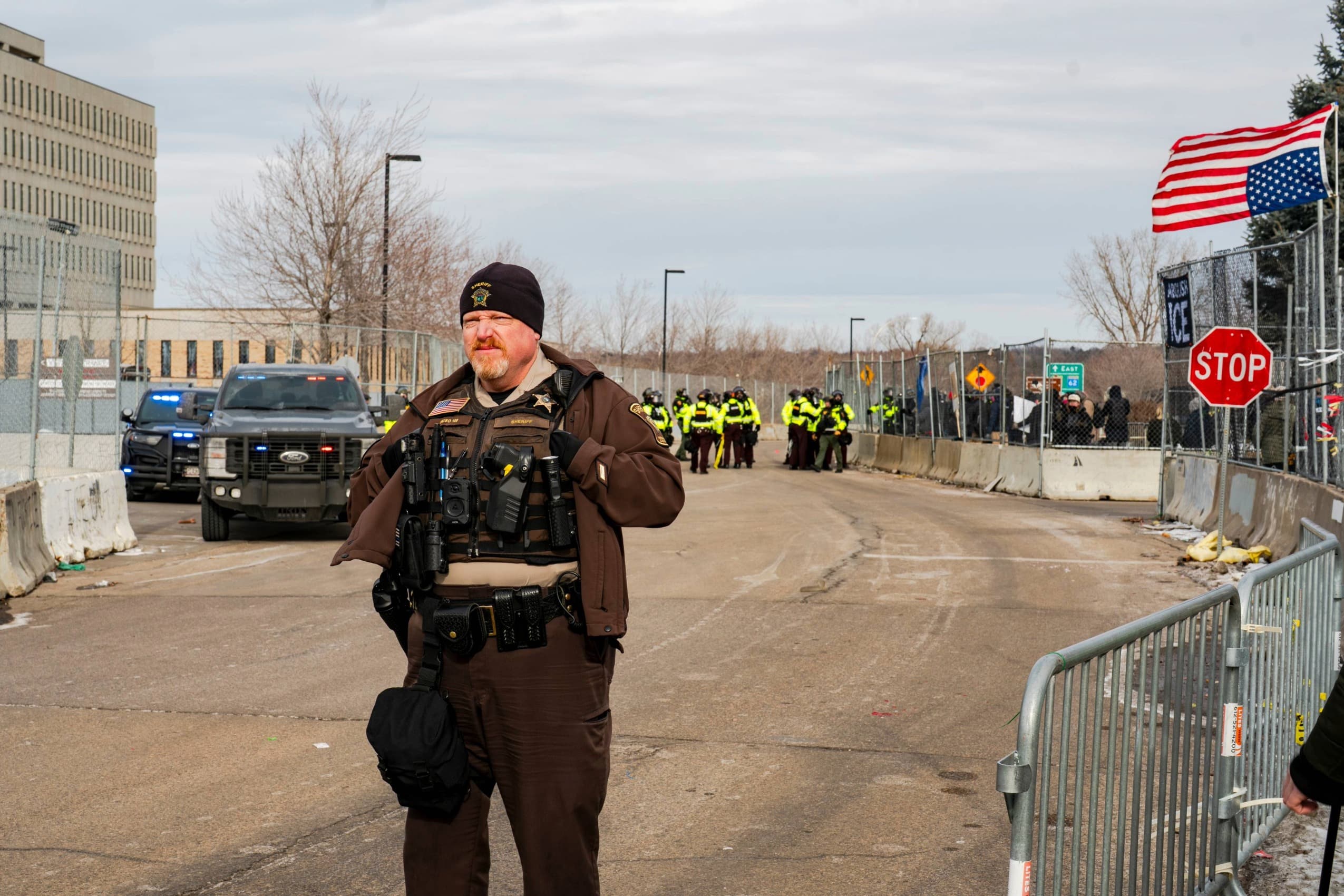
Now consider the reality we are living in. Recent federal accountability efforts have been immediately politicized, with Minnesota’s elected leaders, from some city officials to the governor’s office, inserting themselves into the process and, in many cases, encouraging public demonstrations against enforcement actions. In response, several city councils, under intense pressure, have moved to restrict cooperation between local police and federal agencies. The result has been predictable: federal agents become targets of anger and protest, police chiefs are placed in untenable positions, and officers who choose to cooperate face threats against themselves and their families.
This breakdown of authority mirrors the failures of 2020, only this time stretched across a broader geographic area.
This is not the home I have known and loved for so long.
There is a reasonable path forward, and it should not be controversial. The governor should allow state agencies to cooperate with federal law enforcement. This partnership has always existed and makes immigration enforcement safer for everyone involved, including immigrants themselves. City councils should allow police chiefs to work with federal agencies so arrests can be monitored locally, ensuring they are legal, safe, and efficient.
This does not mean local police will be going out of their way to enforce immigration law. It means cooperation and information-sharing focused on criminal illegal immigrants, which prevents unnecessary obstacles and reduces risk to the public, to officers, and to families caught in the middle.
Before the current political firestorm, immigration enforcement occurred in Minnesota almost daily. It rarely made headlines because it was handled professionally, safely, and with assistance from local law enforcement. That is how public trust is preserved.
We need to remove politics from this discussion and return immigration enforcement to what it’s always been: a law enforcement function, not a political spectacle. Minnesota has been down the road of disorder before. We should be honest about how we got there, and wise enough not to choose it again.
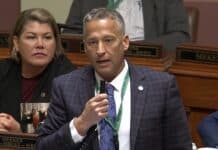
Terry Stier is a Republican who represents House District 22B in the Minnesota House of Representatives and serves as the Belle Plaine police chief.
The views and opinions expressed in this commentary are those of the author and do not represent an official position of Alpha News.