




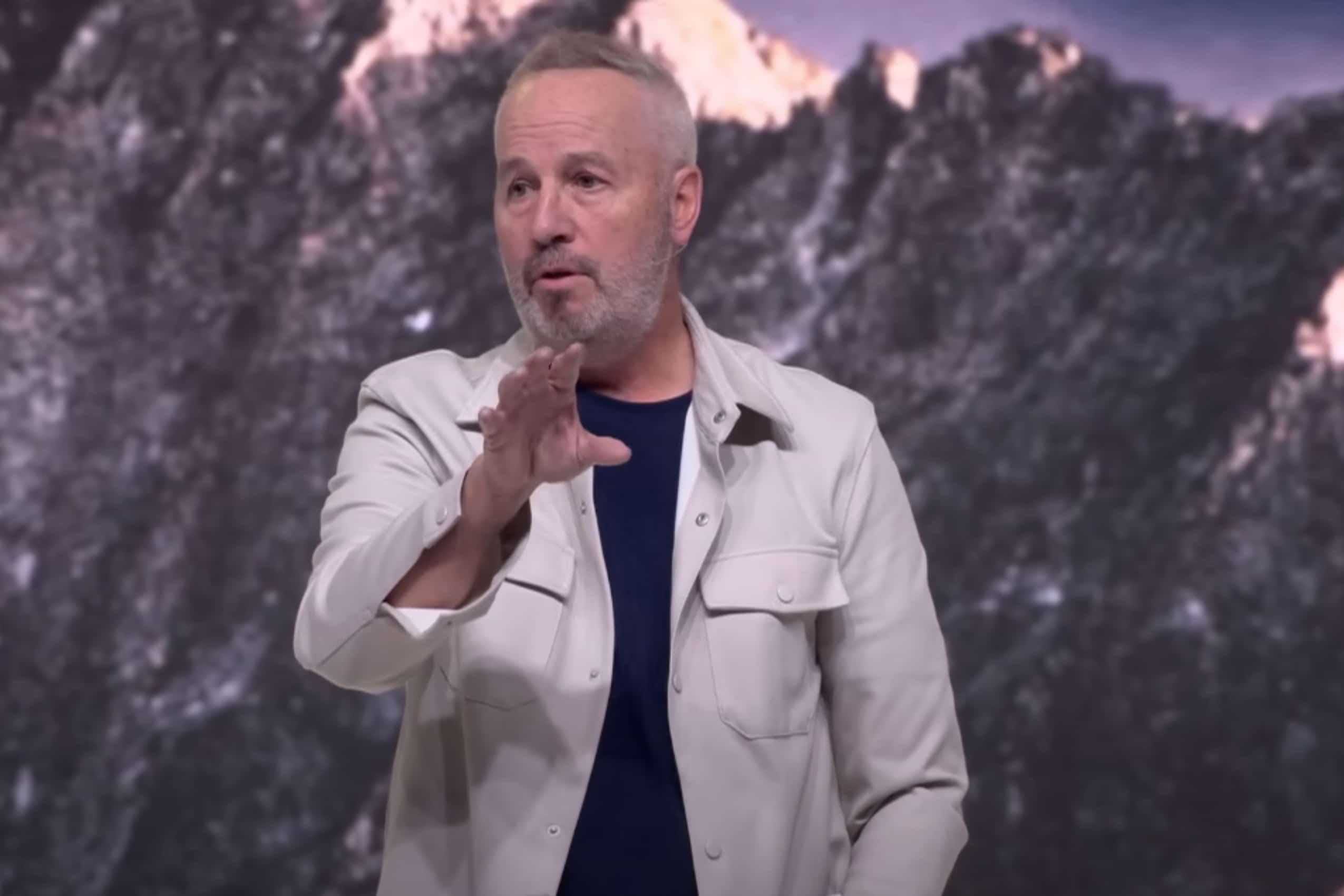
The pastor of one of Minnesota’s largest churches is speaking out about Somali gang violence and what he described as a growing Somali “subculture,” calling on churches to become more involved in finding solutions.
Rob Ketterling, founder and lead pastor of River Valley Church, said in an X post that Minnesota has reached a “saturation point” and argued that bringing additional Somali immigrants into the state would make existing problems more difficult to address.
River Valley Church, which Ketterling and his wife, Becca, founded in 1995, reports nearly 10,000 people in attendance across 11 U.S. campuses and two international campuses.
“I’m trying to find solutions and asking how can the church help with what we’re facing in MN with the Somali gang problem and a growing Somali subculture,” Ketterling wrote on X. “We’ve hit a saturation point and we have a serious problem to solve.”
I’m trying to find solutions and asking how can the church help with what we’re facing in MN with the Somali gang problem and a growing Somali subculture. We’ve hit a saturation point and we have a serious problem to solve. Funding another placement is the type of false…
— Rob Ketterling (@robketterling) October 8, 2026
Ketterling’s comments come as law enforcement officials across the Twin Cities discuss a coordinated response to recent gang violence involving Somali youth and young adults.
“Funding another placement is the type of false compassion that only will make it worse. No longer can we have religious groups bringing in more Somali immigrants,” Ketterling wrote.
He said churches should encourage assimilation by helping immigrants learn English and supporting those seeking employment.
“The Church can help teach English, without English there is no assimilation,” he wrote. “Business owners can hire those that want out of welfare and willing to stand with those brave enough to speak out against the lawbreakers.”
He also called on churches and residents to become more active in local government, including attending school board and county board meetings and running for public office.
“We need to speak up and show up in public,” Ketterling said. “Show up at the school board and the county board when a violent student is being allowed to stay in school to protect the disparity numbers. Show up and even run for office.”
Ketterling argued that public funding should be directed toward “initiatives that work, not mosques, imam programs, or clan nonprofits. Another photo op or money given to groups that have not solved the problem is a waste of money and only perpetuates the problem.”
He said churches can also provide direct support to people affected by crime and gang recruitment, pointing to rideshare drivers, business owners, families who have removed children from schools, and Somali parents whose sons are being recruited.
“The church can serve the people already affected,” Ketterling said. “If we don’t stand with them, they will be pulled back into the destructive pattern in the community.”
Ketterling also encouraged churches to organize prayer walks and rallies and urged Minnesotans not to dismiss proposed changes as racist or hateful.
“For everyone, stop calling the things that will fix this problem hateful and racist,” he wrote. “Stop opposing the needed changes and calling it compassion.”
He called on Minnesotans to “push back against those that want to silence the voice of truth.”
Ketterling concluded that the record on employment, English proficiency, welfare, crime, and schools “here and in every other dense Somali settlement around the world is a problem and ignoring it will lead to destruction.”
“If anyone can fix this I’m betting on Minnesotans IF we’re willing to face the truth, vote for new leaders that won’t ignore this and having the courage to make all the changes as we work together,” he wrote.
In another post, Ketterling discussed some of the proposals that he thinks would help solve the problem while highlighting what has failed. He also said it is common for Minnesota teenagers to report that their Somali peers are not held to the same behavioral standards.
Minnesota’s Somali settlement is a case of compassion without a standard. It is failing and we are at a critical moment. It is what happens when a low-education refugee population from a clan-based, low-trust society is settled in one metro, given immediate access to a generous…
— Rob Ketterling (@robketterling) October 6, 2026
“Minnesota’s Somali settlement is a case of compassion without a standard. It is failing and we are at a critical moment,” he said. “It is what happens when a low-education refugee population from a clan-based, low-trust society is settled in one metro, given immediate access to a generous welfare state, and told that maintaining a separate culture is the goal.”

Symone Harms
Symone Harms is a Media Production and Business Marketing student at Bethel University. She is actively involved in The Royals Investment Fund, The 25, theatre, and other leadership positions. She also cohosts Rooted, a podcast dedicated to being rooted in truth, growing in freedom, and prospering in life. A Minnesota native with a passion for storytelling and digital media, she aspires to a career in broadcasting as a news anchor and reporter.