

Minnesotans may be glad that election season is finally over, but another big race is right around the corner for the North Star State.
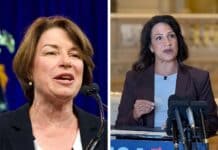
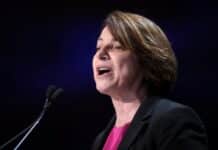
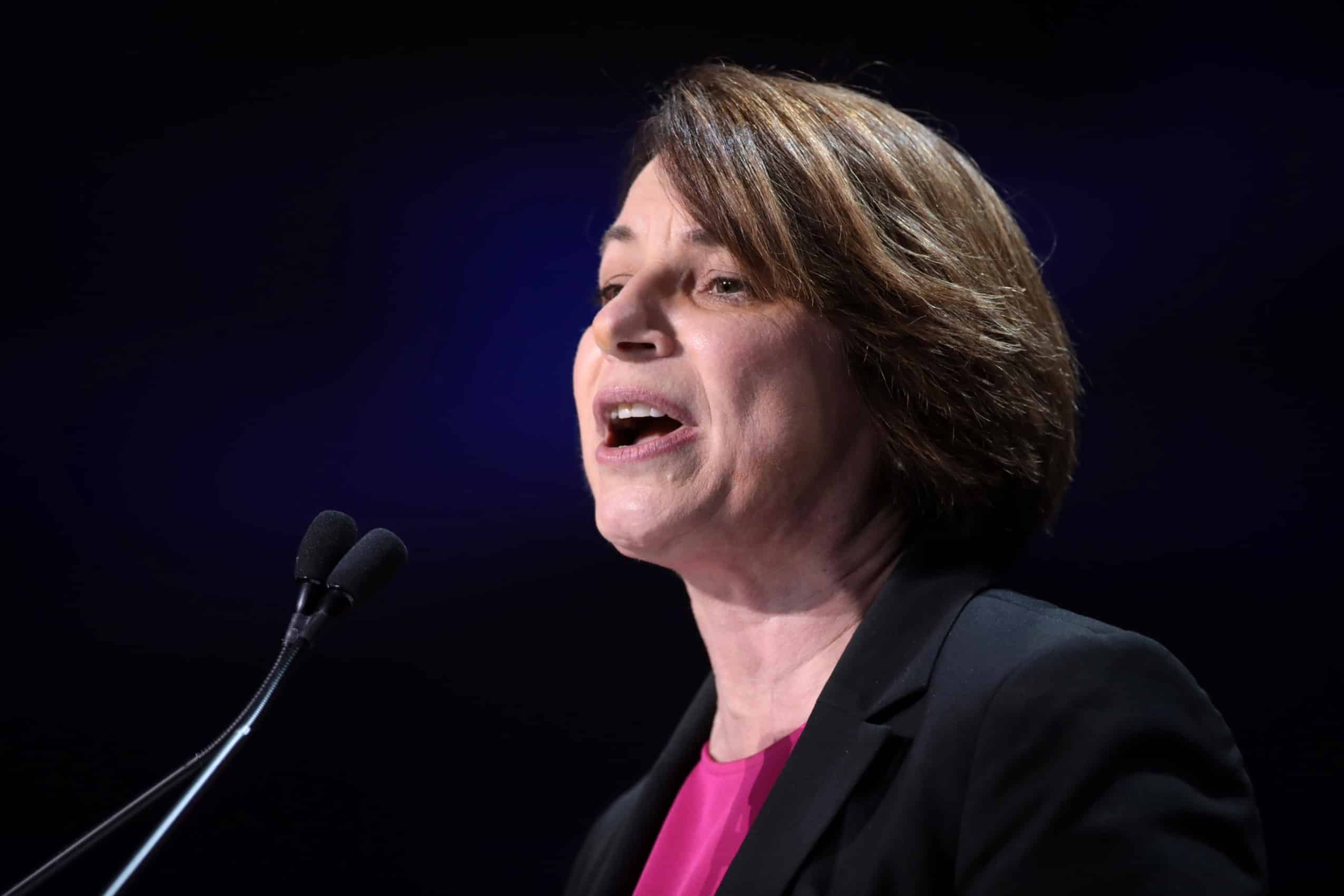
On Tuesday, DFL Sen. Amy Klobuchar was elected governor of Minnesota and will therefore need to resign her U.S. Senate seat before becoming Minnesota’s 42nd governor in January.
When Klobuchar resigns from the Senate, the governor is responsible for appointing an interim senator to fill that seat. Either DFL Gov. Tim Walz, or Klobuchar herself when she becomes governor, will appoint someone to fill Klobuchar’s seat.
Klobuchar has indicated that she will make the appointment herself, and possible appointees include DFL Secretary of State Steve Simon, DFL Congresswoman Angie Craig, and DFL Congresswoman Kelly Morrison.
However, a special election for that seat will be called, and the winner of that election will serve out the remainder of Klobuchar’s term which ends in January of 2031. Under state law, the special election for Klobuchar’s seat will occur in November of 2027.
A U.S. Senate election in an odd-numbered year may seem strange, and it is. Minnesota has not had a U.S. Senate election in an odd-numbered year since 1923.
However, the Minnesota Secretary of State did confirm that Minnesotans will see another Senate race unfold next year, saying, “The special election resulting from the resignation of Senator Klobuchar would occur in November 2027 under state law.”
As a result, Minnesotans are poised to endure another big political race in 2027 shortly after voting in many high-stakes races in 2026, which included a U.S. Senate race between Peggy Flanagan and Michele Tafoya that received national attention.
In that election, Flanagan defeated Tafoya by approximately 10 points. Minnesota has not elected a Republican to the U.S. Senate since 2002. However, a Senate election in an odd-numbered year will be very different from a normal Senate race.
First, voter turnout in the 2027 race will almost certainly be far below normal voter turnout. While Minnesota does have regularly-scheduled November elections in 2027 for cities and school boards, turnout in those races is dramatically below even-numbered years.
A statewide Senate election on the ballot in 2027 would definitely increase voter turnout, but it would, in all likelihood, still be below normal, even-year elections.
Further, a Senate election in an odd-numbered year may be less influenced by the kinds of political trends that shape midterm elections and presidential elections.
Regardless, potential candidates for the 2027 special election are likely to emerge in the coming weeks, and Klobuchar herself will play a big role in shaping that election.
In appointing someone to fill her Senate seat, Klobuchar will appoint either a placeholder who has no intention of running in the upcoming special election or someone who is intent on running. In recent years, many appointed senators have chosen not to seek election.
If a placeholder is chosen, then Minnesotans may see another brutal DFL primary like the one that played out this year between Flanagan and Craig. If Klobuchar appoints a DFLer intent on running, then that person may clear the DFL field and avoid a primary.
In any event, Republicans who just suffered a brutal 2026 general election may see the odd-numbered special election as a unique opportunity to gain ground from the Democrats, and Republicans may begin launching their campaigns in the coming weeks.

Luke Sprinkel
Luke Sprinkel previously worked as a Legislative Assistant at the Minnesota House of Representatives. He grew up as a Missionary Kid (MK) living in England, Thailand, Tanzania, and the Middle East. Luke graduated from Regent University in 2018.