



A review of billing data from a state-run, Medicaid-funded autism program found that 90% of claims submitted to the program in the past four years were flagged for not matching clear state policies and procedures.
That revelation came last week from Deputy Commissioner John Connolly of the Minnesota Department of Human Services (DHS). Connolly, who oversees the state’s Medicaid-funded programs, discussed the matter while briefing reporters on DHS’ new prepayment review system that is currently being fine-tuned.
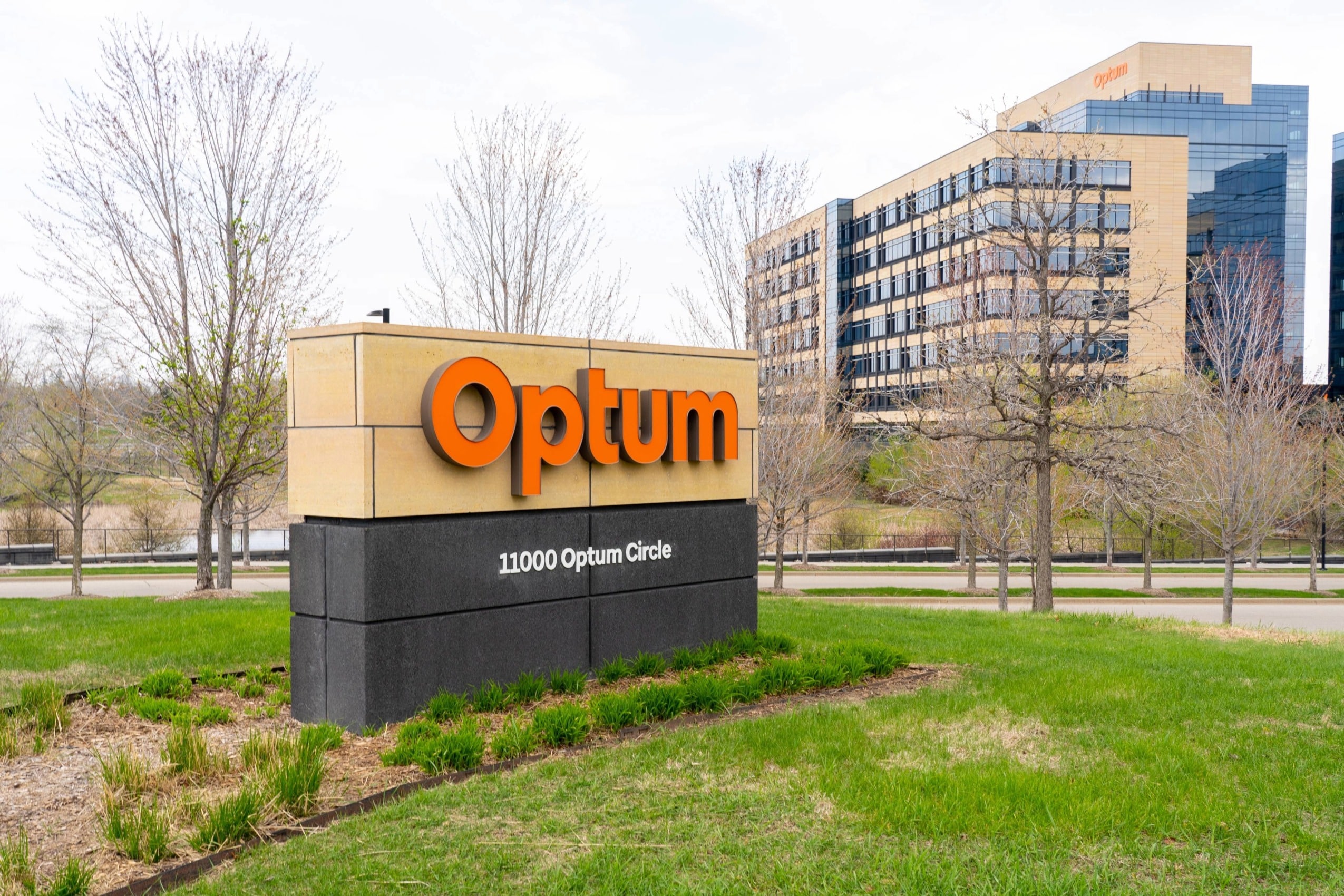
Built by DHS and Optum, the automated prepayment review system was announced three months ago by Gov. Tim Walz in response to Minnesota’s ongoing fraud problem.
The system uses advanced analytics and artificial intelligence to monitor claims submitted to the state’s Medicaid-funded welfare programs. Any claim that is flagged by the system for potential fraud or other issues is not be paid until a further review is completed.
Specifically, the system reviews claims submitted to state-run Medicaid programs that are considered at “high-risk” for fraud. The Minnesota U.S. Attorney’s Office has estimated that more than $9 billion could have been stolen from those programs since 2018.
As part of Optum’s work to develop the prepayment review system, an analysis of past claims submitted to those programs was conducted. That analysis examined almost four years of claims sent to the “high-risk” programs between January of 2022 to October of 2025.
One of those programs is the Early Intensive Developmental and Behavioral Intervention (EIDBI) benefit which gives Medicaid funds to companies that provide autism services. In 2021, EIDIB cost $83 million. By 2024, program costs had ballooned to $342 million.
Multiple people have been charged in recent months for defrauding the EIDBI program.
Discussing Optum’s analysis of past EIDBI claims, Connolly told reporters that they found claims “that didn’t match clear policies or procedures” and “over 90% of EIDBI claims in the four years studied” were flagged.
During the four-year window that was reviewed, over $743 million of claims were paid out via the EIDBI program. While some of those claims were almost certainly fraudulent, DHS noted that a flagged claim does not necessarily mean the claim was inappropriate.
Instead, DHS explained that if the prepayment review system being developed now had been in place at the time those claims were made, then 90% would have been flagged, subjected to a further review, and only paid out upon completion of that review.
“This is not a measure of fraud, waste and abuse, but it shows us where we need to do more work to understand why these claims are raising red flags,” Connolly said in a statement regarding the EIDBI claims.
“We may need to clarify policies so claims that deserve to be approved are not unnecessarily flagged,” he continued. “In other cases, providers may not have the training they need to file claims properly. We won’t know until we do the work to understand.”
According to DHS, these findings are from the first 90 days of partnering with Optum, and “the testing found areas where the state and Optum need to revise some data sets for the system and consider policy updates to improve efficiency.”
While a version of the prepayment review system is already being used to screen claims being submitted to DHS today, the agency is working to fine tune the system’s software and data to ensure only claims that actually need additional review are being flagged.
The agency noted that work on the prepayment review system will continue over the next few months, and any past activity that looks suspicious will be referred to law enforcement.
While the prepayment review system is still being developed, Connolly said Minnesota will have a “state of the art system for checking Medicaid claims for error and potential fraud before payments are made” when the system is complete.
DHS has said it hopes to have the system fully operational by the end of the year.

Luke Sprinkel
Luke Sprinkel previously worked as a Legislative Assistant at the Minnesota House of Representatives. He grew up as a Missionary Kid (MK) living in England, Thailand, Tanzania, and the Middle East. Luke graduated from Regent University in 2018.