



The University of Minnesota’s plan to sell its historic golf course is drawing criticism from alumni and golf club members who say unloading the century-old property doesn’t make sense.
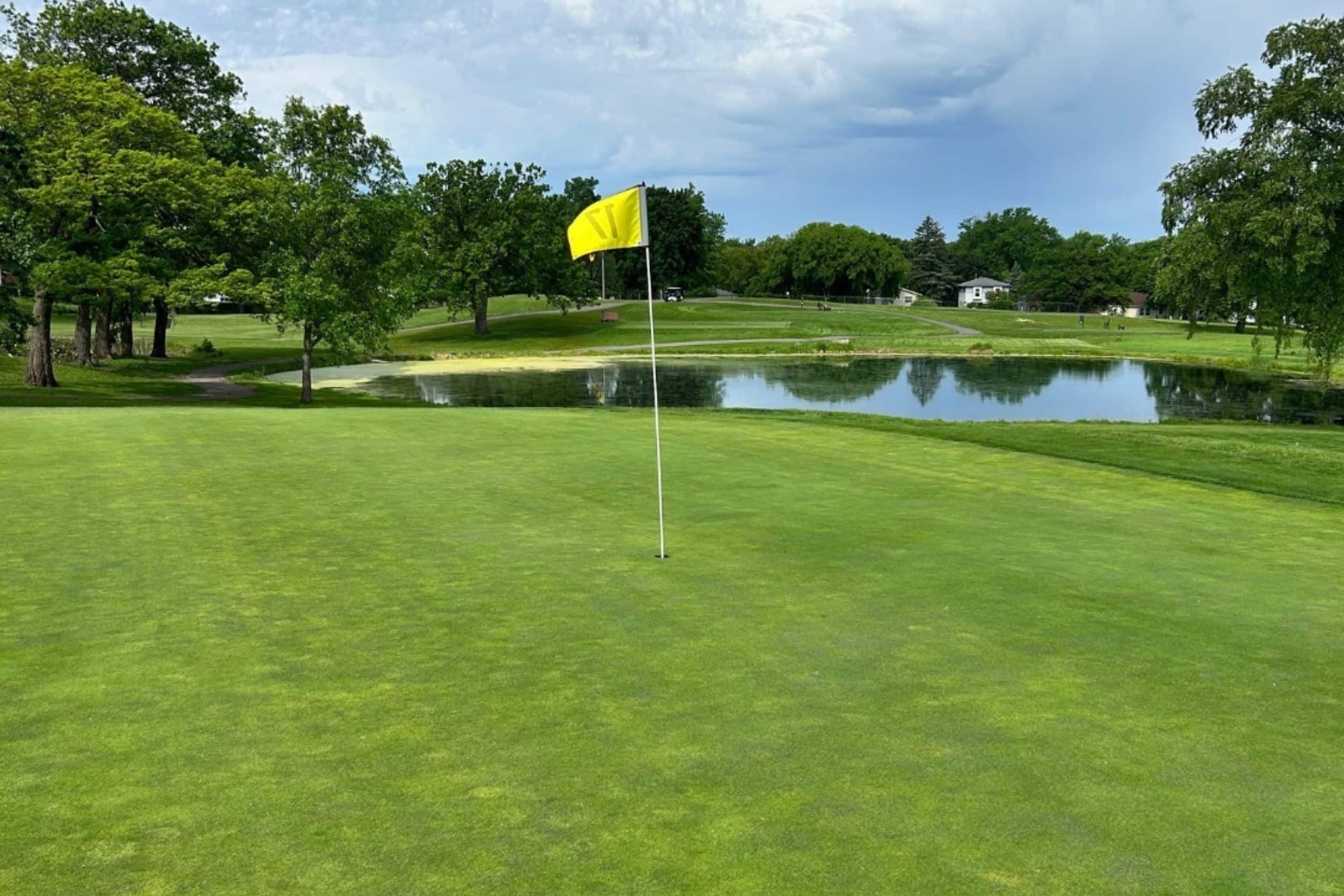
For many, the Les Bolstad Golf Course isn’t just land — it’s an institution woven into decades of university life.
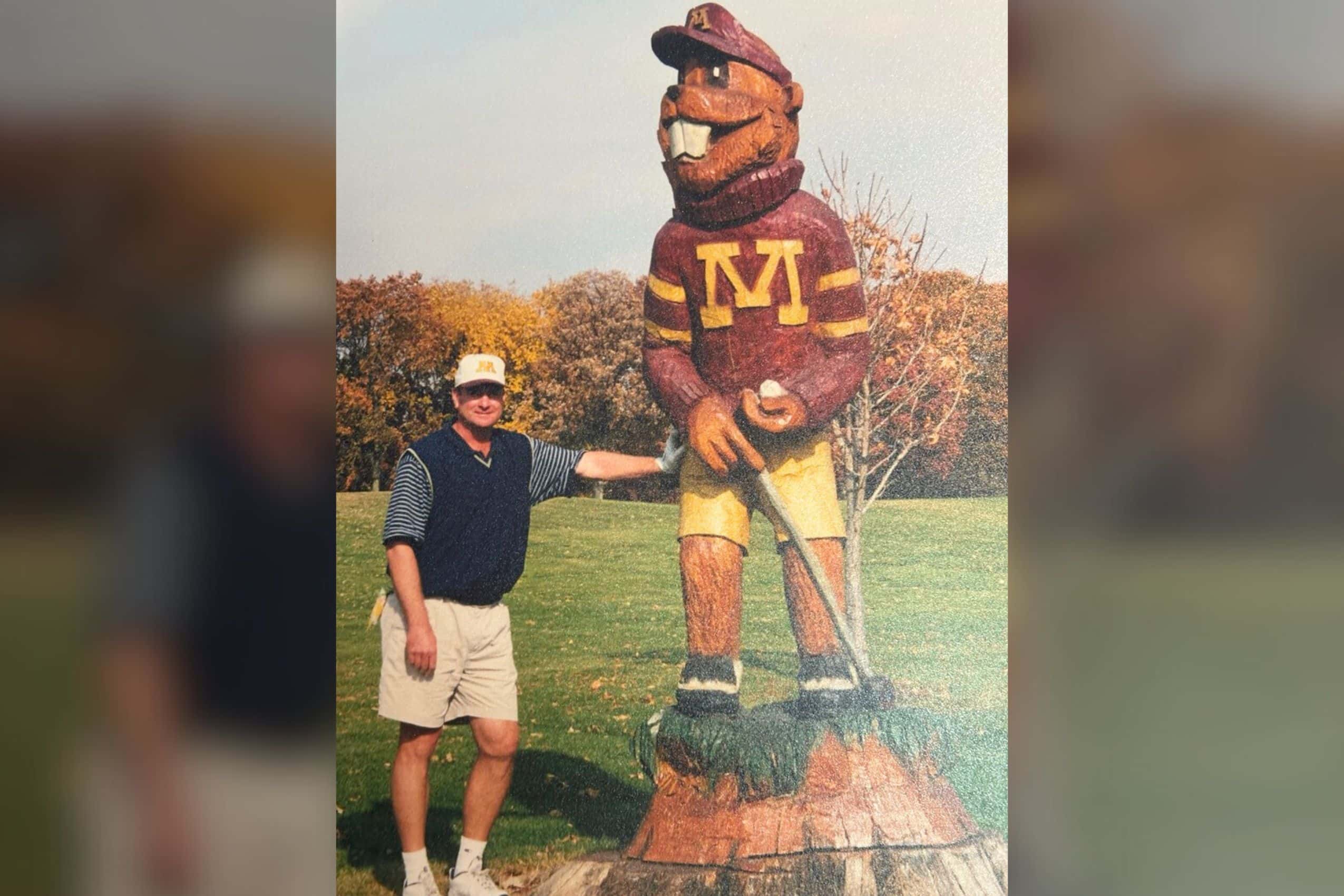
Among those speaking out is Larry Overskei, a University of Minnesota alumnus, former Gopher basketball player and a 55-year member of the Men’s Golf Club. He says the course has been profitable while serving as rare green space near campus and supporting parts of the university’s academic mission.
“This sale is concerning to me and many Minnesotans,” Overskei told Alpha News. “Especially with all of the fraud going on in Minnesota. The University has a $5.1 billion budget. Why in the world would you sell our 96-year-old golf course that has been in the black?”
Overskei said a petition started to save the golf course has gathered more than 2,500 signatures.
“Our group is opposed to any development of the land that the University of Minnesota has been a worthy steward of since 1916. Development is overwhelmingly unwanted by the community for numerous reasons, including the environmental impact and unforeseen consequences …” the petition states.
An uncertain future
Overskei said he attended a meeting in Falcon Heights last fall expecting to speak with university officials about the sale of the course. Instead, he said the meeting focused on planning how the 141-acres of land could be developed by future buyers.
According to a report, the property could potentially support between 1,500 and 2,000 affordable housing units, along with corner stores and bike and walking paths.
Before the meeting, Overskei said he spoke with a university real estate official and asked why the school was selling the property.
“She said the university needed the money,” he said, adding he then asked whether declining enrollment due to safety concerns near campus was also part of the reason.
“She said yes,” according to Overskei.
He later wrote to University of Minnesota President Rebecca Cunningham expressing concern about the sale but said he received only a generic response from staff.
“As an alumni and former Gopher basketball player, I expected a response,” he said.
“Instead, I got a form letter from her staff stating that she had a busy schedule,” he added. “I wasn’t important enough. She probably has no clue what is going on with this wonderful green space.”
For members of the university’s Men’s Golf Club, the potential sale of the course is already having immediate consequences.
In an email last month, club board member Eric Vegoe shared details on the future of the course and club.
“As the course appears to remain closed for the 2026 season, the board has decided to essentially ‘mothball’ our club for now. We have closed the books for the last year, we will not be migrating our club to another course and we will wait to see what the future holds,” Vegoe wrote.
Vegoe, however, pushed back on the university’s justification for shutting down the course, calling the argument “subjective” and saying “it’s black and white that the course has been a revenue generator the past five years.”
Despite the uncertainty surrounding the property’s future, Vegoe said supporters of the course are still hoping university leaders reconsider.
“I continue to hold out hope that the Regents will recognize the value of the historic course and learn that the property does fit the mission of the institution by supporting students, advancing research and serving the State of Minnesota,” Vegoe wrote.
University of Minnesota responds
In a statement to Alpha News, a University of Minnesota spokesperson said “enrollment was not a factor” in the decision to sell the property, pointing to a Star Tribune article from last fall that reported enrollment up on all five campuses.
The university spokesperson said the “decision reflects careful consideration and was made in light of today’s challenging financial environment,” adding that “as a public university, we have a responsibility to ensure that our land and resources are aligned with our core mission: supporting students, advancing research, and serving the state of Minnesota.”
University officials also emphasized that several nearby athletic facilities will remain in place.
“The John W. Mooty Golf Facility and adjacent, outdoor short-game training area, used by the Men’s and Women’s Golf teams, as well as Elizabeth Lyle Robbie Stadium, used by the Women’s Soccer team, and the KUOM radio tower will not be included in the sale.”
According to the university, any proceeds from a sale would be redirected to other priorities tied to its academic mission.
“The University intends to reinvest proceeds from the sale into areas more directly aligned with our core mission of teaching, research, and service,” the spokesperson said. “Final decisions will be made through the appropriate governance and budget processes, but our focus is on supporting long-term institutional priorities, with a focus on the St. Paul campus.”
Addressing arguments from critics that the golf course has been profitable, the university said the property still requires significant investment to remain viable.
“The golf course did not generate funding needed for the extensive repairs and upkeep that would ensure its ongoing viability,” the spokesperson said, adding that “the University is in a constrained economic environment and must ensure every investment is core to our mission.”
The university confirmed it solicited proposals from developers last year and said the selection process remains ongoing.
“We received multiple proposals that are undergoing a thorough evaluation process,” the spokesperson said. “The University continues to work closely with the City of Falcon Heights to ensure that any future development aligns with their long-term planning goals.”
Addressing concerns from Overskei and other supporters of the golf course, the spokesperson said “we recognize this course holds generations of memories for our community.”

Jenna Gloeb
Jenna Gloeb is an Edward R. Murrow Award-winning journalist, media producer, public speaker, and screenwriter. Most recently, she worked as a reporter and on-air host for CCX Media. Jenna is a Minnesota native and resides in the Twin Cities with her husband, son, daughter, and two dogs.