



The Minnesota Department of Human Services (DHS) is performing unannounced site visits on more than 5,800 Medicaid providers in the state. The problem? DHS let providers know roughly when those site visits will occur.
As Minnesota’s fraud saga has continued to develop, much of the attention has focused on 14 state-run, Medicaid-funded welfare programs. According to the U.S. Attorney’s Office in Minnesota, more than $9 billion could have been stolen from those programs since 2018.
One of those welfare programs was outright canceled because it was so riddled with fraud. The remaining 13 programs continue to face scrutiny as costs have ballooned and criminal fraud charges connected to some of those programs have been unveiled.
Fraud schemes in those types of cases typically involve a business enrolling in one of the Medicaid-funded programs and submitting fraudulent documents for reimbursement.
All 13 of the welfare programs under scrutiny have been deemed “high-risk” for fraud by DHS, the Minnesota state agency responsible for administering those programs.
Last month, the U.S. Department of Health and Human Services (HHS) said it is going to withhold Medicaid funds from those programs because of suspected fraud. HHS said it would resume funding those programs when the fraud is cleaned up.
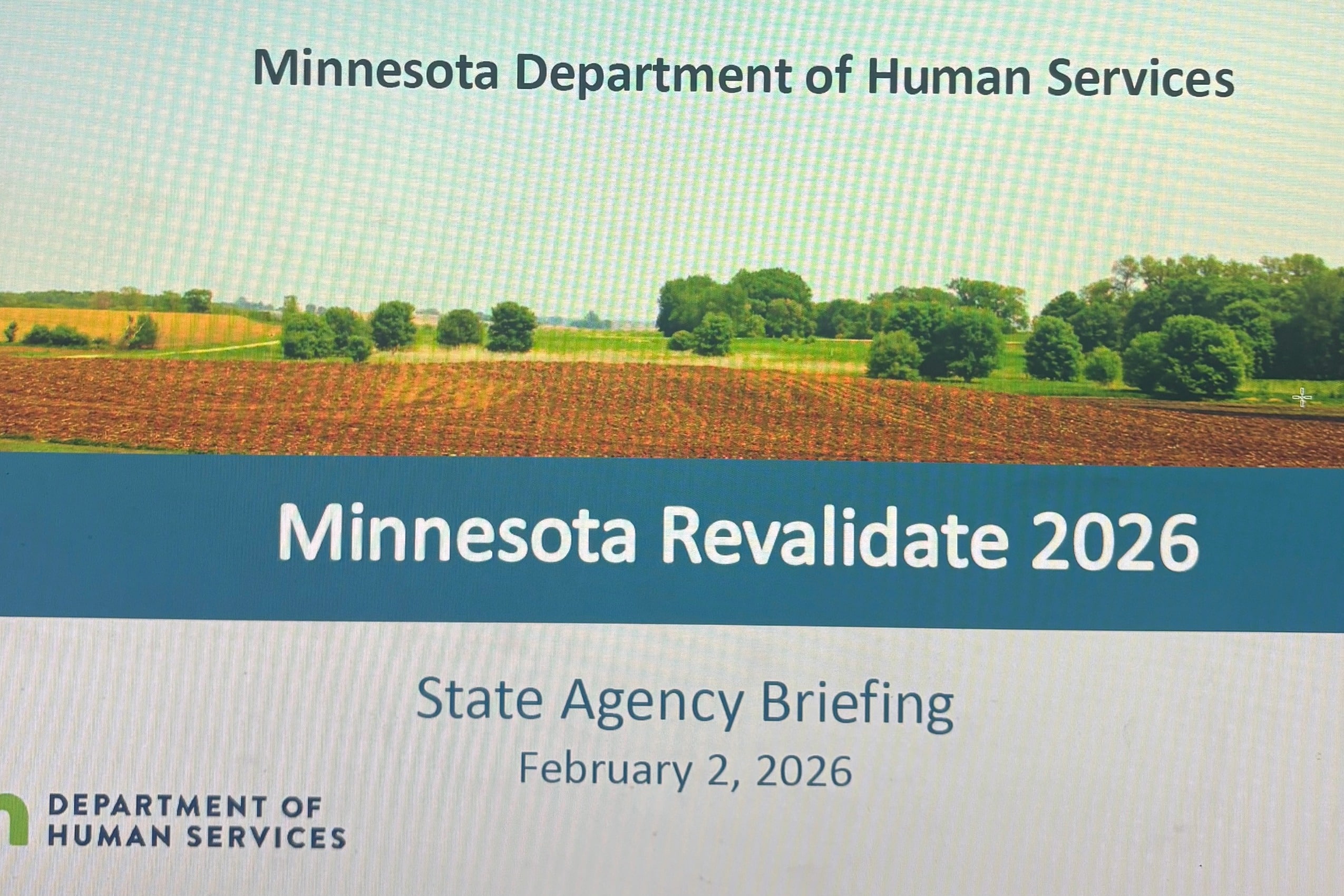
Minnesota has appealed HHS’ decision, saying it was based on bad information, and said HHS plans to withhold up to $2 billion per year. As part of an effort to get HHS to reverse course, DHS has now unveiled an initiative called “Minnesota Revalidate 2026.”
That endeavor will examine whether 5,800 companies and organizations enrolled in the 13 welfare programs are meeting legal requirements. If providers meet legal requirements, then their eligibility to participate in those Medicaid-funded programs will be revalidated.
Normally, DHS screens a provider’s Medicaid eligibility every five years. If a provider is enrolled in a program considered “high-risk,” then eligibility is checked every three years.
However, Minnesota Revalidate 2026 will review every provider enrolled in the 13 welfare programs in just a handful of months. DHS has asked other state agencies to collectively find 168 state employees who can help DHS accomplish its goal in that time.
“We’re implementing [HHS’] recommendations, and we are taking action above and beyond those requests to minimize the risk of fraud, harden our systems against bad actors, and catch fraud quickly when it does happen,” a DHS official said regarding the initiative.
According to DHS, the agency will examine provider documents, review billing, and conduct unannounced site visits. In a press release, DHS said it would perform unannounced site visits on every provider beginning this month and concluding “before this summer.”
This means DHS has now told Medicaid providers that these “unannounced” site visits will occur sometime in the next 4-5 months. By telegraphing the site visits, DHS has given potentially fraudulent providers the opportunity to prepare for them.
Fraudulent providers are almost certainly among the list of the more than 5,800 providers that will be screened by DHS as part of Minnesota Revalidate 2026. In fact, former First Assistant U.S. Attorney Joe Thompson said as much in December of last year.
“When I look at the claims data and the providers, I see more red flags than I see legitimate providers, and overwhelmingly so,” Thompson said at a press conference about fraud in those 13 welfare programs.
Alpha News reached out to DHS and Gov. Tim Walz’s office for this story. DHS said its revalidation initiative “is a cornerstone of the work we are doing to combat fraud.”
However, neither the governor’s office nor DHS responded when asked if they think their public announcement was giving potentially fraudulent providers the chance to prepare for site visits and make an otherwise illegitimate operation seem legitimate.
DHS was also asked if the agency would release the results of Minnesota Revalidate 2026 when it is complete. The agency did not respond to that question either.
Update: After a publication deadline had passed, DHS informed Alpha News that the revalidation process is based on state and federal requirements, and DHS “does not make appointments with providers for their site visits.”
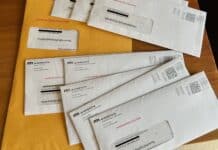
DHS said Medicaid providers are required to submit documents before site visits occur. After those documents are submitted, providers are sent “a letter notifying them that a site visit will take place within 60 days.”
Additionally, DHS said if a provider is not present at the time of a site visit, then the provider is notified that another visit will be attempted without a specific timeline.

Luke Sprinkel
Luke Sprinkel previously worked as a Legislative Assistant at the Minnesota House of Representatives. He grew up as a Missionary Kid (MK) living in England, Thailand, Tanzania, and the Middle East. Luke graduated from Regent University in 2018.