

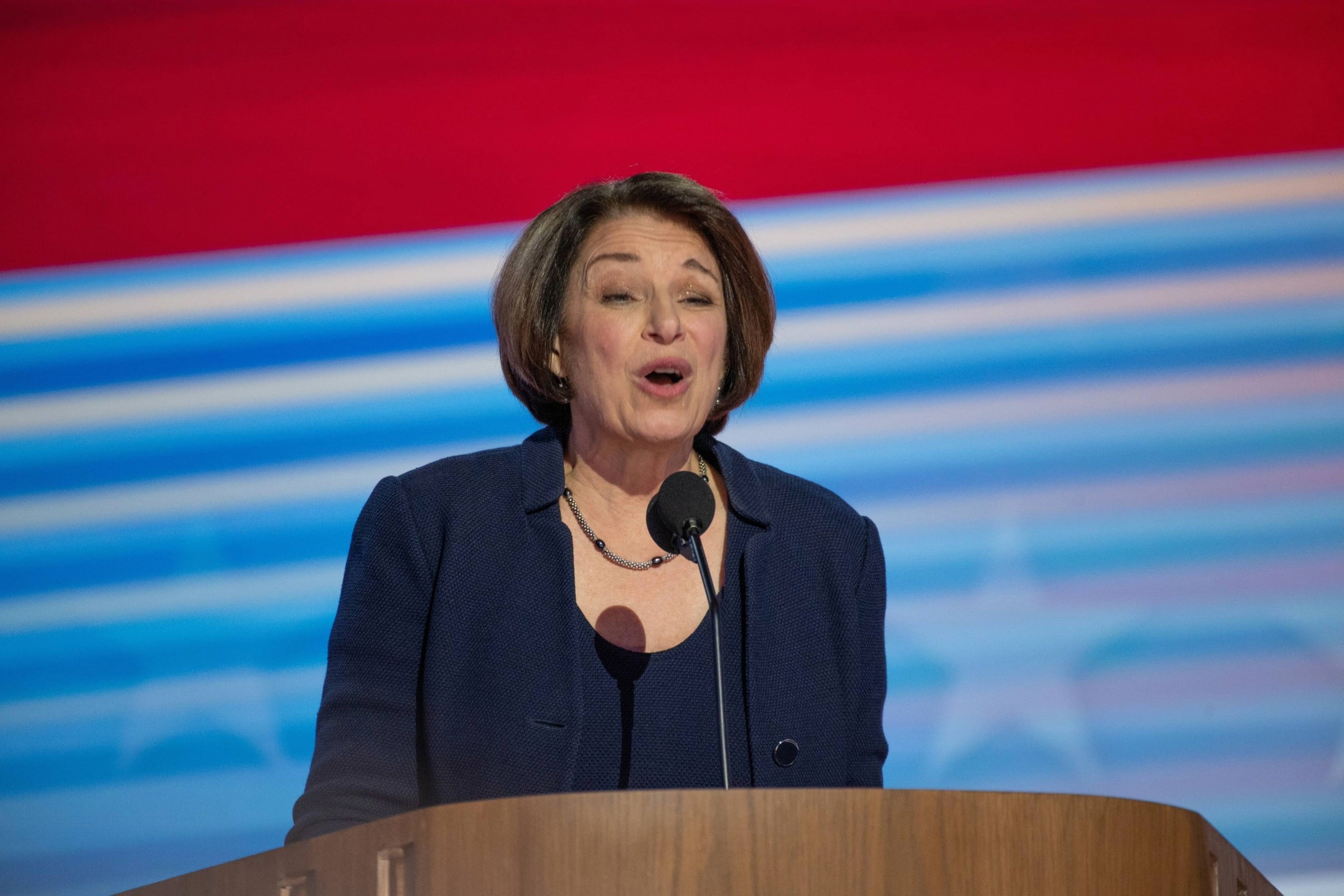
Sen. Amy Klobuchar, a candidate for Minnesota governor, is silent on whether she would opt Minnesota into a federal tax credit program that could generate millions of new dollars for the state’s K-12 students.
Last year, the One Big Beautiful Bill Act created a federal tax credit which gives individuals a dollar-for-dollar reduction in their federal tax bill up to $1,700. In order to qualify for the tax credit, a taxpayer must donate to a scholarship-granting organization (SGO).
An SGO is a nonprofit that gives education-related scholarships to K-12 students. Funds given out by SGOs could go to private school tuition or eligible public school expenses. Taxpayers can begin using the tax credit in 2027.
However, states must opt in to the tax credit program and provide a list of eligible SGOs to the federal government. If a state fails to do so, then taxpayers in that state would need to donate to an eligible out-of-state SGO in order to use the tax credit.
In short, taxpayers in all 50 states can utilize the tax credit, but only students from states that have opted into the program will benefit from the donations.
Under federal law, state governors can unilaterally opt their states into the program. So far, 27 states have decided to opt in. All of those states, except for Colorado and Virginia, are run by Republicans. Minnesota does not appear likely to join the list.
In March, Minnesota Gov. Tim Walz publicly announced that he will not opt Minnesota into the federal tax credit program, saying “we are not doing it.” Walz, a former public school teacher, essentially said he has no intention of negotiating on the issue.
Republicans in the Minnesota Legislature have authored a bill that would opt Minnesota into the program and warned that failure to opt in will result in Minnesota dollars benefiting out-of-state students rather than in-state students.
State Rep. Andrew Myers, the chief author of the “opt-in” bill, said opting in to the program would bring between $50-$100 million “to the table” for Minnesota K-12 students.
The America First Policy Institute (AFPI) has estimated that opting in would generate $810 million over three years for Minnesota students if a modest number of state taxpayers used the tax credit. Failure to opt in would mean all of that potential money goes elsewhere.
Meanwhile, the Minnesota Department of Education has said the program incentivizes enrollment outside public schools, and Democrats have claimed the tax credit is essentially a school voucher program that benefits private schools at the expense of public schools.
Conversely, Republicans have said both public and non-public students can benefit and the program will create more competition between private and public schools.
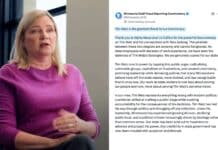
Minnesota GOP Chairman Alex Plechash recently called on Klobuchar to make clear her position on the tax credit. Klobuchar is the leading DFL candidate for Minnesota governor.
“Minnesotans deserve to know where Amy Klobuchar stands,” Plechash said. “Will she stand with Walz and the failing status quo — or will she stand with parents and students who are demanding better? She can’t keep avoiding the biggest issue facing our state.”
Alpha News contacted Klobuchar for this story but did not receive a response prior to a publication deadline.
Luke Sprinkel
Luke Sprinkel previously worked as a Legislative Assistant at the Minnesota House of Representatives. He grew up as a Missionary Kid (MK) living in England, Thailand, Tanzania, and the Middle East. Luke graduated from Regent University in 2018.