




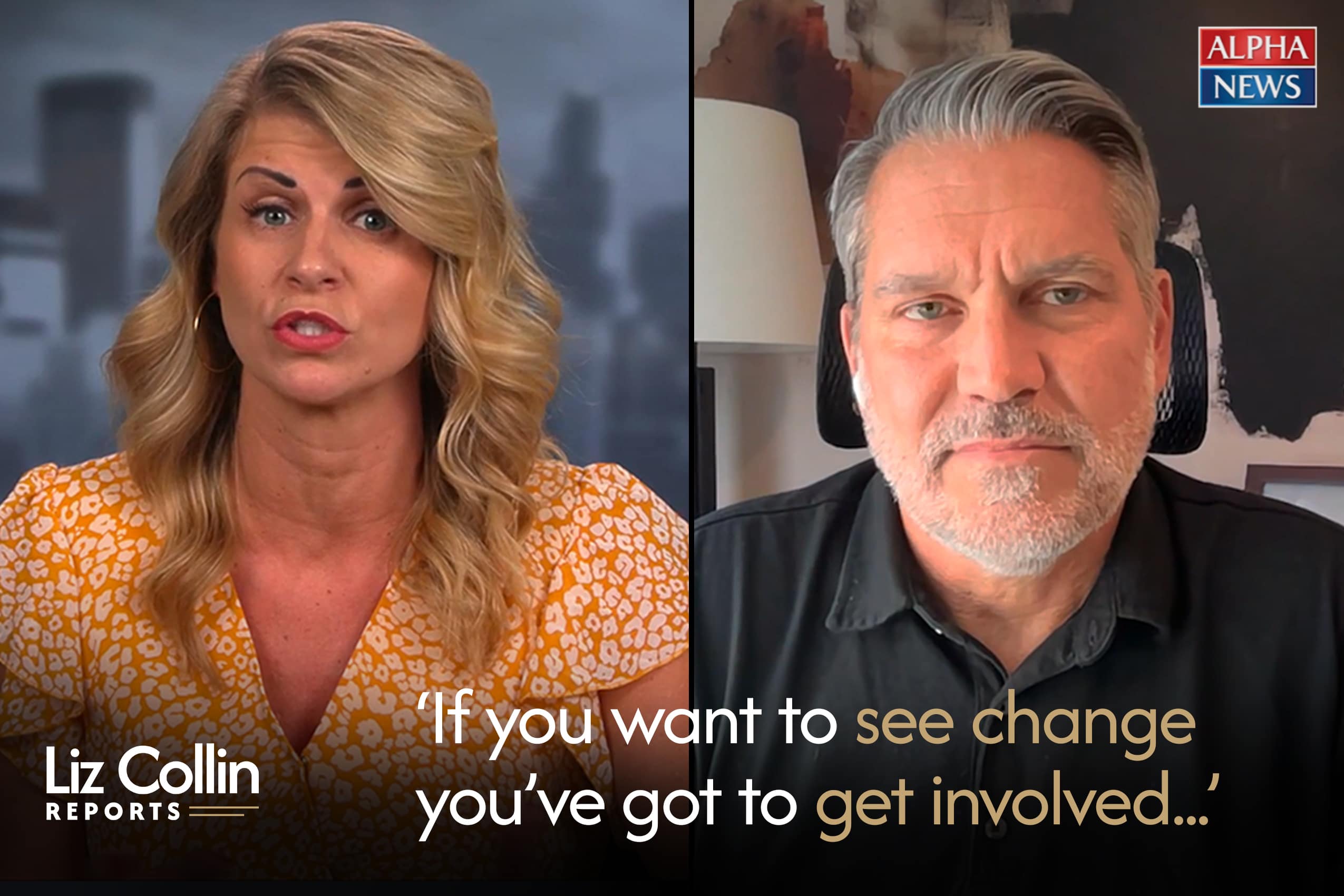
Jeff Svedahl was born and raised in northern Minnesota and spent 37 years living in Minneapolis. For decades, he also owned and successfully managed several apartment buildings—until the George Floyd riots changed everything.
WATCH THE VIDEO:
During an interview with Liz Collin on her podcast, Liz Collin Reports, Svedahl explained,
“I purchased three bigger buildings, like 21 units and a total of, I think, 43 units initially in the Powderhorn Park area, very close to Cup Foods where the George Floyd incident happened. I bought them in 1996 and things were great. It was a bit of a rough area, but you could tell it was starting to get better and better and better.”
In the early 2000s, Svedahl bought and renovated other buildings. Ultimately, he owned several buildings and nearly 100 apartment units in Minneapolis in the Uptown and Powderhorn Park areas.
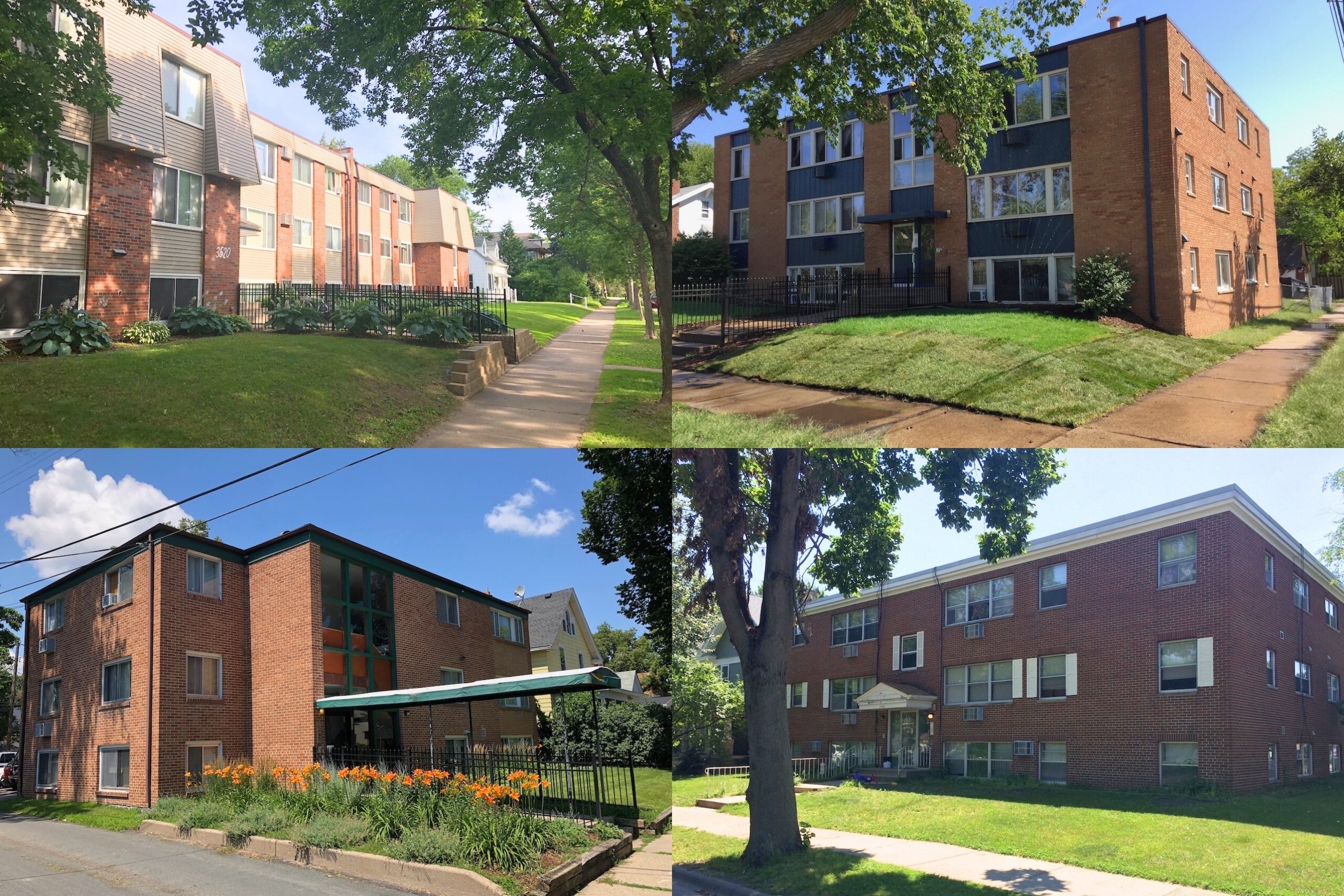
“I just thought it was a great investment because when I bought the property, five, 10 years later, they basically doubled in value. So it was a great investment. We had great tenants,” Svedahl said.
“And then the George Floyd incident happened and it was a complete change,” he revealed.
Svedahl explained how the change was drastic and immediate: “It was almost overnight, I would say within six to 12 months of that happening … it degraded from a 20-year improvement back to even worse than it was when I first purchased the buildings 20 years ago.”
He also spoke about how crime not only affected his business, but also his tenants.
“It got to a point where my tenants would call me and they’re like, ‘Hey, my car got broken into’ or ‘something’s happening’ and I’m like, ‘You gotta call the police. I can’t do anything. You gotta go through the police.’ And their response was always the same thing, ‘Well, we called them, and we called them the last time this happened and they didn’t show up. They don’t have the staff to show up,'” Svedahl said.
“It made it very difficult to be a property owner and a manager. My partners and I managed it together. We did all of it. And you get to a point where there’s so many phone calls, so much frustration with your tenants, you’re just like, I don’t know how much longer I can do this,” he said.
Svedahl reluctantly told Collin, “It got to a point where it was just too much.”
Ultimately, Svedahl sold his properties to an investment firm—for millions of dollars less than their value before the George Floyd riots and the aftermath—and moved to Utah.
“Something that you spend your whole life building up from scratch—and to have it kind of disappear overnight for something you have no control over, it’s a very frustrating experience to say the least,” he said.
Will things change in Minneapolis?
Svedahl’s remarks come at a time when Minneapolis Mayor Jacob Frey has been touting “The Great Minneapolis Comeback” on social media.
Minneapolis is back.
We are leading the country in affordable housing, crime is down across Minneapolis, our police department is being rebuilt with more diverse officers than ever, and downtown is making a strong recovery with a population growing over 60k!
Let’s keep rising! pic.twitter.com/yERD7i5hVv
— Jacob Frey (@Jacob_Frey) August 19, 2025
However, as a former property owner, Svedahl shared his perspective, saying that, “It’s going to take 10 to 15 to 20 years, in my opinion, to rebuild that back, because you’ve got to bring back the police. You got to, you’ve got to start enforcing the law and not allowing those things to happen. I don’t see that improving for a long period of time.”
A message ahead of city council and mayoral elections in November
Along with talking about his decades of volunteer work in Minneapolis, Svedahl wanted to share a message for voters who still live in the city and want to stay.
“I would say, if you’re going to stay, if you want to see change … you’ve got to get involved in your city government,” Svedahl said.
“I understand that that takes time. You know, I had a full-time job and then another full-time job managing property so I didn’t necessarily have time to be involved in the city council and all that it takes to be part of that …,” he said.
However, Svedahl also pointed out another important way to be involved: “Get out and vote for people that will make the changes that you want to see happen. You know, like the city council has a lot of power. If you continue, if we, as a city, if you continue to let them have that power and you don’t vote for the people that you want in office, nothing’s going to change.”

Dr. JC Chaix
Dr. JC Chaix is an editor, educator, and an expert in media studies. He wrote and directed the Alpha News documentary "The Fall of Minneapolis" and "Minnesota v We the People."

Liz Collin
Liz Collin is a multi-Emmy-Award-winning investigative reporter, news anchor, and producer who cares about Minnesota. She is the producer of The Fall of Minneapolis and Minnesota v We the People documentary films, and author of the Amazon best-selling book, They’re Lying: The Media, the Left, and The Death of George Floyd. Her work has prompted important state laws. Yet perhaps most of all, Liz has been giving a voice to the truth—and helping others tell their stories—for more than 20 years.