

The U.S. Chamber of Commerce issued a stark warning about a pending DFL bill that would create a state-run “superfund” for “climate change adaption projects.”
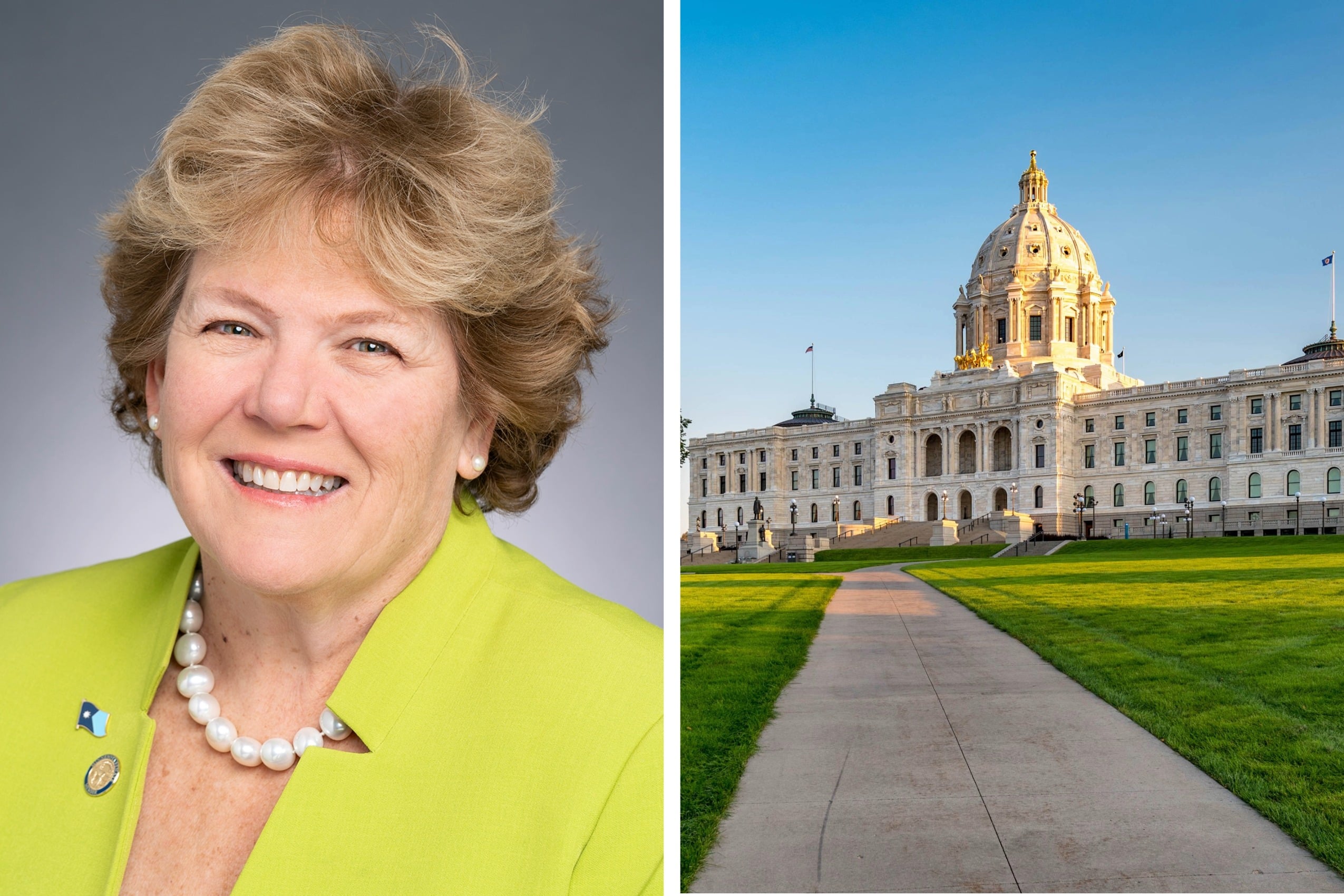
SF 4126, which is known as the “Greenhouse Gas Pollution Superfund Act,” was introduced earlier this year by DFL Sen. Ann Johnson Stewart. That bill’s counterpart in the Minnesota House of Representatives has dozens of DFL co-authors.
Under the bill, oil and gas producers in Minnesota would be required to retroactively pay a lump sum to the Minnesota Pollution Control Agency based on the amount of greenhouse gases they were responsible for between Jan. 1, 1995, and Dec. 31, 2026.
Oil and gas producers would be required to pay that lump sum within six months of getting a demand notice from the state, pay the amount in nine annual installments, or contest the sum before an administrative law judge.
The funds collected by the state would be placed in a “greenhouse gas pollution account.”
SF 4126 requires that those funds be spent on “climate change adaption project[s]” which are “designed to respond to, avoid, moderate, repair, or adapt to impacts caused by climate change.” At minimum, 40% of the funds must go to projects that “benefit disadvantaged communities.”
Now, the U.S. Chamber of Commerce is warning about how this superfund would impact both companies and consumers. According to the Chamber, the superfund “could cost $16.5 billion in 2026, rising to $17.38 billion by 2030—roughly $84.84 billion over five years.”
In an analysis published last month, the Chamber noted that the transportation industry, the real estate sector, the energy sector, and other areas would be hit first by billions of dollars in rising costs before those costs filter down to consumers.
“Companies cannot absorb multi-billion-dollar retroactive liabilities—they must pass them onto their customers through increased fuel prices, electricity rates, transportation, construction, heating, and every downstream good and service,” wrote the Chamber.
“[SF 4126] ensures that these new costs would ultimately reach Minnesota families and small businesses,” the organization added.
The Chamber said annual household costs could increase by over $7,000 by 2030 if companies pay the state in one lump sum. Should companies use the installment plan to pay their share, then “businesses’ payments would increase in years two through nine.”
Alpha News contacted the U.S. Chamber of Commerce for more information on its figures but did not immediately hear back.
To date, neither SF 4126, nor its counterpart in the House, have been heard in a legislative committee. Last month, a key legislative deadline passed which requires bills to be acted on favorably by a committee in order to be considered later.
As such, the climate superfund bill appears dead this session.

Luke Sprinkel
Luke Sprinkel previously worked as a Legislative Assistant at the Minnesota House of Representatives. He grew up as a Missionary Kid (MK) living in England, Thailand, Tanzania, and the Middle East. Luke graduated from Regent University in 2018.