
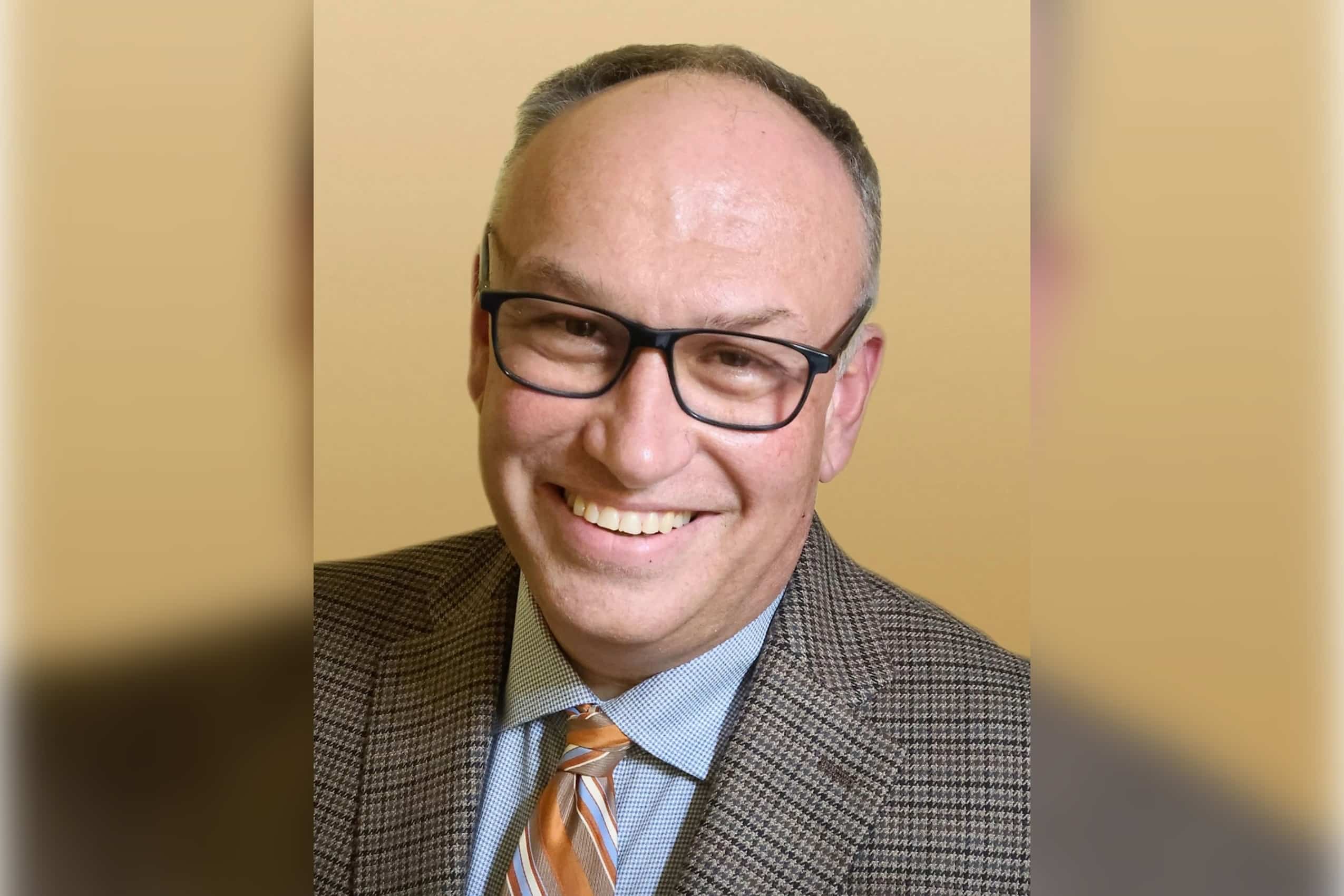
A DFL state senator with a far-left voting record is running for a second term in his northern Minnesota legislative seat. That race could decide which party wins the Minnesota Senate.
At present, the Democrats have a one-seat majority in the Senate which they used to grow state government by 38%, increase taxes, and drain a record $17.5 billion budget surplus. During his time in the Senate, DFL state Sen. Rob Kupec was a big part of that effort.
A meteorologist by trade, Kupec won Minnesota Senate District 4 by approximately 6 points in 2022. Senate District 4 is on Minnesota’s border with North Dakota, covering Moorhead, Detroit Lakes, Hawley, and many surrounding communities.
Kupec is one of just three Democrats in the Minnesota Senate who occupies a seat won by President Donald Trump in the 2024 presidential election. As such, Kupec has become a top DFL target for the GOP in their quest to win back control of the Senate.
In his first term as a senator, Kupec supported many of the DFL’s most extreme new laws such as no limits on abortion, raising the the gas tax by indexing it to inflation, raising the motor registration tax, and creating a new sales tax in the seven-county metro area.
Kupec also voted for an omnibus bill allowing illegal aliens to enroll in MinnesotaCare, a state-run healthcare program. However, Kupec supported a bill in 2025 that banned illegal alien adults from using the program but allowed illegal alien children on MinnesotaCare.
All of those bills became law with Kupec’s support, but the first-term DFL state senator also supported other far-left bills that failed but are likely to return next year.
In 2026, Kupec voted for sweeping gun control legislation that would have banned federally licensed firearms dealers from selling AR-15s and other guns. That bill ultimately passed the Senate but was never taken up by the Minnesota House of Representatives.
That same year, Kupec signed on as a co-author of SF 4126, a bill that would force energy companies to pay for all the greenhouse gases they produced going back to 1995.
Dubbed the “Greenhouse Gas Pollution Superfund Act,” SF 4126 would take the money paid by energy companies and use it to pay for “climate change adaptation project[s].” According to the bill, 40% of the funds must go to projects that benefit “disadvantaged communities.”
The U.S. Chamber of Commerce estimated that the bill would impact both companies and consumers, costing approximately $84 billion over five years.
Alpha News contacted Kupec with questions about his record and campaign. However, he did not respond to a media inquiry. On his campaign website, Kupec touts his efforts to cut the Social Security tax, create a statewide office to investigate fraud, and support farmers.
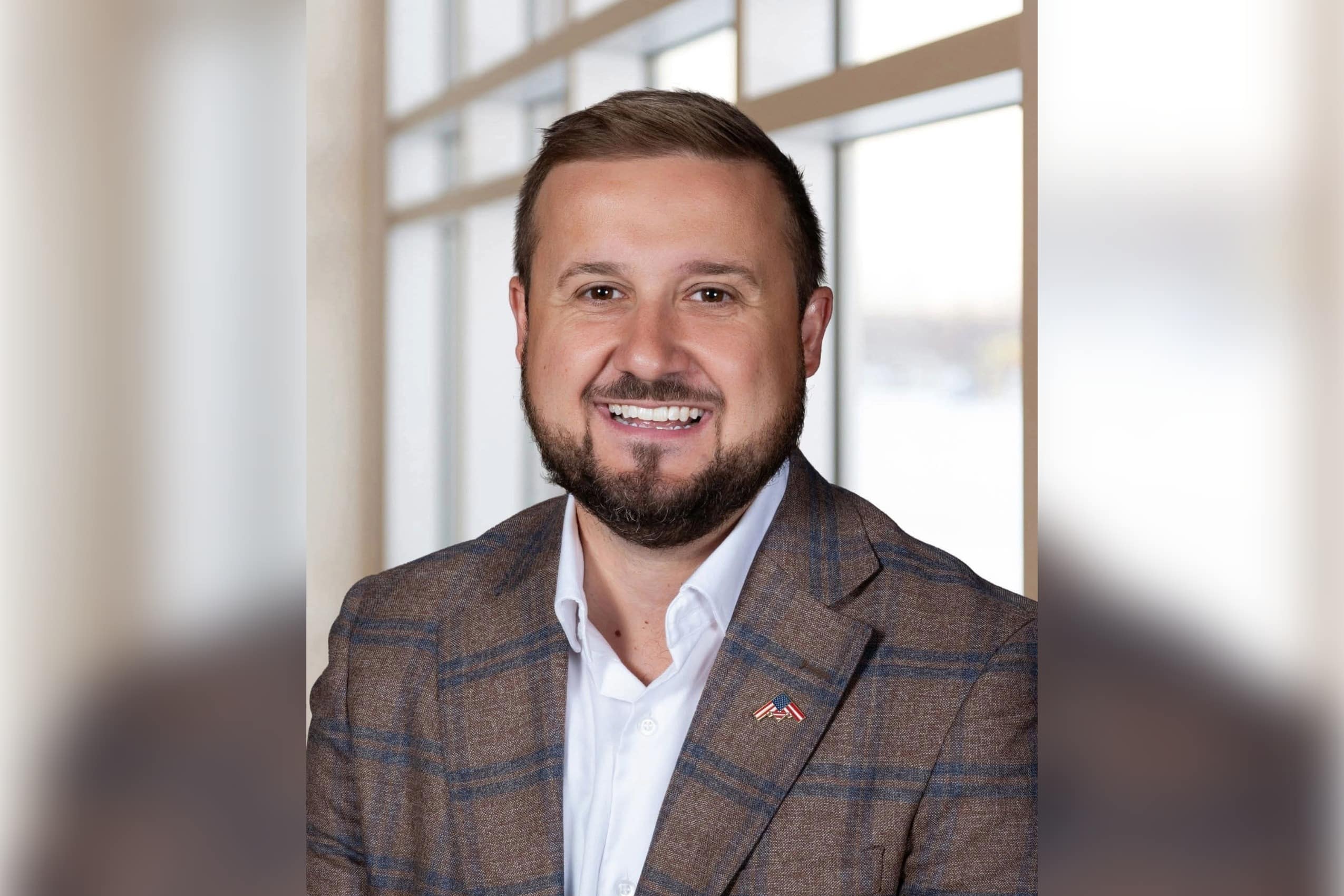
Republican Austin Peterson
Challenging Kupec for the Senate District 4 seat is Republican Austin Peterson, a real estate developer and member of the Hawley School Board. Alpha News contacted Peterson for this story and he provided written answers to those questions.
“I’m not running for a political career or another title. I have enough titles already,” he said. “I’m running because Minnesota needs more people in St. Paul who understand what it takes to build businesses, create jobs, make payroll, and invest in our communities.”
Peterson, who noted that he helped bring eight new businesses to Hawley in the past year, explained that Minnesota has a “competitiveness problem” which his district experiences.
“We compete directly with North Dakota for jobs, businesses, and investment,” Peterson said. “Every unnecessary regulation, tax, and permitting delay has a cost. As a developer, I see how those costs drive up housing prices and discourage investment.”
“I want our children to have opportunities to build careers, own homes, and raise families right here,” he added. “I’ll bring real-world experience, accountability, and common sense to St. Paul. Government should work for the people, not the other way around.”
Asked about his DFL opponent, Peterson said he and Kupec have “fundamentally different philosophies about government” and slammed the DFL for spending the record budget surplus, passing higher taxes, and failing to fully repeal the tax on Social Security.
Peterson pointed out that Kupec voted to create the new Paid Leave program, which passed the Senate by one vote. Paid Leave is funded by a payroll tax on employers and employees.
“I understand the importance of supporting families, but lawmakers also need to consider what these programs cost employers and employees, particularly small businesses,” Peterson told Alpha News.
“One of my biggest frustrations with St. Paul is the constant stream of mandates being pushed onto businesses, schools, cities, and counties without adequate funding or a long-term plan to pay for them,” he added.
Peterson said his “disagreement with Rob isn’t personal. It’s about results. I don’t believe the answer to every problem is another government program, regulation, or spending increase.”
On policy, Peterson said he wants a GOP Senate majority to require audits when spending increases unexpectedly in high-risk programs, strengthen program eligibility requirements, establish meaningful consequences for fraud, and prevent fraud on the front end.
Peterson also wants to eliminate the remaining tax on Social Security, revamp the vehicle registration tax with a “predictable flat-rate system,” and “reduce unnecessary regulations and establish firm permitting deadlines that lower the cost of housing and doing business.”
Further, the GOP candidate said he would “support legislation focused on repeat violent offenders, including reviewing sentencing and release practices, improving coordination between law enforcement and prosecutors, and identifying why existing laws aren’t being consistently enforced.”
Asked about how he would win what could be a close race, Peterson noted that his team has knocked on more than 30,000 doors in the district.
“Those aren’t just numbers. They’re conversations with families, farmers, business owners, and people who want to be heard,” he said. “I’m willing to sit down with anyone, regardless of political affiliation. Most people care more about affordability, good jobs, safe communities, and opportunities for their children than political labels.”
Luke Sprinkel
Luke Sprinkel previously worked as a Legislative Assistant at the Minnesota House of Representatives. He grew up as a Missionary Kid (MK) living in England, Thailand, Tanzania, and the Middle East. Luke graduated from Regent University in 2018.