
Minnesota’s Medicaid-funded programs were singled out as a prime example of fraud during a congressional hearing on the federal government’s efforts to combat waste in Medicare and Medicaid.
Rep. John Joyce, R-Pa., chairman of the House Energy and Commerce Subcommittee on Oversight and Investigations, highlighted Minnesota in his opening statement at the March 17 hearing titled “Protecting Patients and Safeguarding Taxpayer Dollars: The Role of CMS in Combatting Medicare and Medicaid Fraud.”
Lawmakers highlighted several high-profile fraud cases across states including Minnesota, California and Florida during the hearing. Joyce emphasized the need for stronger safeguards to prevent abuse within Medicare and Medicaid programs nationwide.
“While states do have a duty to steward federal and state taxpayer dollars, responsibly, it is federal oversight that is necessary to root out systemic fraud,” Joyce said. “This administration is taking bold steps to stop this fraud, more than any other presidential administration before it.”
Democrat says funding cuts could harm vulnerable Minnesotans
Ranking Member Yvette Clarke, D-N.Y., criticized the federal government’s decision to withhold Medicaid funding from Minnesota, arguing the move could have serious consequences for vulnerable residents.
Clarke said the Centers for Medicare & Medicaid Services (CMS) notified Minnesota in January that it planned to withhold approximately $2 billion in funding tied to 14 Medicaid service areas over the next year, including services for seniors, people with disabilities, individuals with substance use disorders and children with autism. Those programs have been designated as “high-risk” for fraud.
She warned the cuts could be “disastrous” for beneficiaries and accused federal officials of escalating the situation.
“Taking billions of dollars from the state of Minnesota and treating the state like an enemy rather than a partner will not make its Medicaid program any less vulnerable to fraud,” Clarke said. “What it will do is hurt hundreds of thousands of Minnesota residents who rely on Medicaid services to live independent and healthy lives.”
Rep. Brett Guthrie, R-Wis., pushed back on Clarke’s criticism: “If you think anything could be bipartisan, it’s when people defraud the taxpayers that work hard for the money, who generously through the programs give it to people who are the most vulnerable, and they’re being taken advantage of.”
CMS flags surge in adult companion services as warning sign
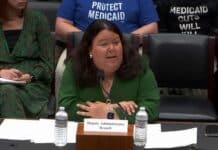
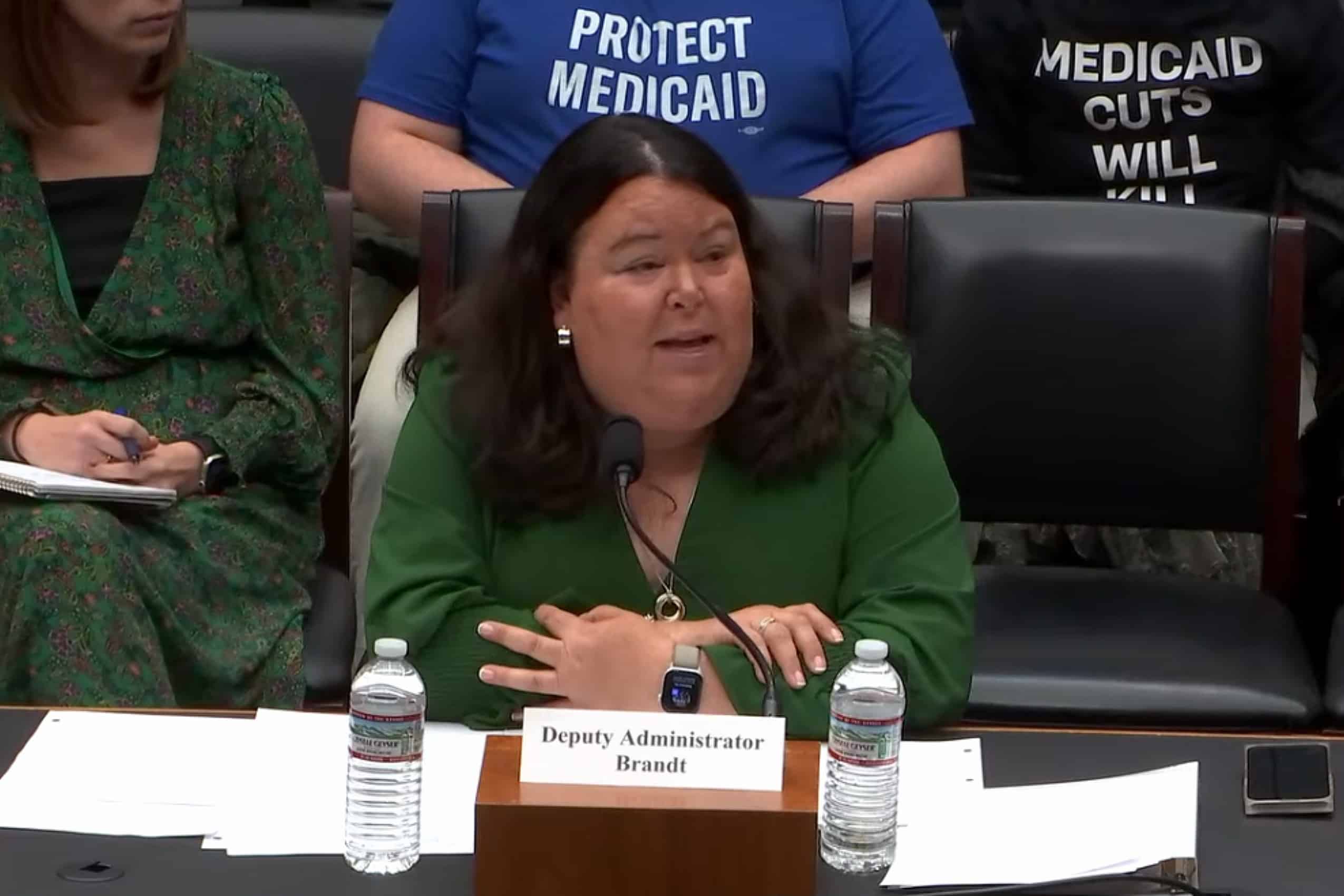
At the hearing, Kimberly Brandt, CMS deputy administrator and chief operating officer, pushed back on Clarke’s characterization while pointing to data she said raised concerns about program integrity in high-risk programs.
Brandt testified: “In Minnesota, what we saw was an increase in the adult companion service providers by over 131%, with a corresponding increase in Medicaid payments of 234%, while the number of actual beneficiaries remained fairly stagnant, at around an increase of just 24% during that period of time.”
Clarke challenged Brandt on whether CMS had refused to fully explain and discuss deficiencies identified in audited claims with Minnesota officials.
“That is incorrect, because our team has been meeting with the state on a regular ongoing basis,” Brandt replied. “We get weekly data feeds from the state, and up until a week ago had been having weekly calls with the state and, in fact, have sent teams to the state three different times. There has been ongoing discussions about their corrective actions, what they’re doing and the timeline by which they are going to complete those actions.”
Clarke pressed further, asking whether additional deferral actions — beyond funds already withheld — were being used as leverage during negotiations.
Brandt clarified the distinction: “There are two separate actions. The first is a financial audit based on claims submitted that they need to be able to look to show that there is financial justification and appropriate documentation for how it is that they are going to be able to show why the claims that they submitted need to be reimbursed at that level. The second is an ongoing discussion about program integrity actions, which is separate and distinct from the financial piece.”
State audit finds DHS failed to act on kickback allegations
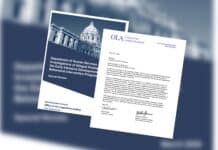
A report released Tuesday — the same day as the hearing — by the Minnesota Office of the Legislative Auditor found that the state Department of Human Services mistakenly believed it lacked the authority to investigate allegations of kickbacks within state programs.
The report also found DHS “has permitted the error to stand since 1995” in its administrative rules, despite having the ability to fix it, and said the agency could have imposed sanctions, including withholding payments, had it changed its rules.
Republican lawmakers blasted the findings.
“The Department of Human Services knew about potential kickbacks in autism services and chose to ignore this theft from taxpayers,” said Sen. Jordan Rasmusson.
House Speaker Lisa Demuth and Floor Leader Harry Niska said the Walz administration “hid behind the false claim that they lacked authority to act,” adding, “Today’s report proves that excuse was never true.”
Spending in the EIDBI program has surged from $38.1 million in 2020 to $324.9 million in 2024, according to the audit, and it has been flagged as “high-risk” amid broader concerns that billions in public funds across Minnesota programs may have been improperly paid.
Despite these findings, Clarke and other Democrats argued that the focus on states like Minnesota appears politically motivated and could jeopardize care for vulnerable beneficiaries.
No Minnesota state officials testified at the hearing.

Jenna Gloeb
Jenna Gloeb is an Edward R. Murrow Award-winning journalist, media producer, public speaker, and screenwriter. Most recently, she worked as a reporter and on-air host for CCX Media. Jenna is a Minnesota native and resides in the Twin Cities with her husband, son, daughter, and two dogs.