
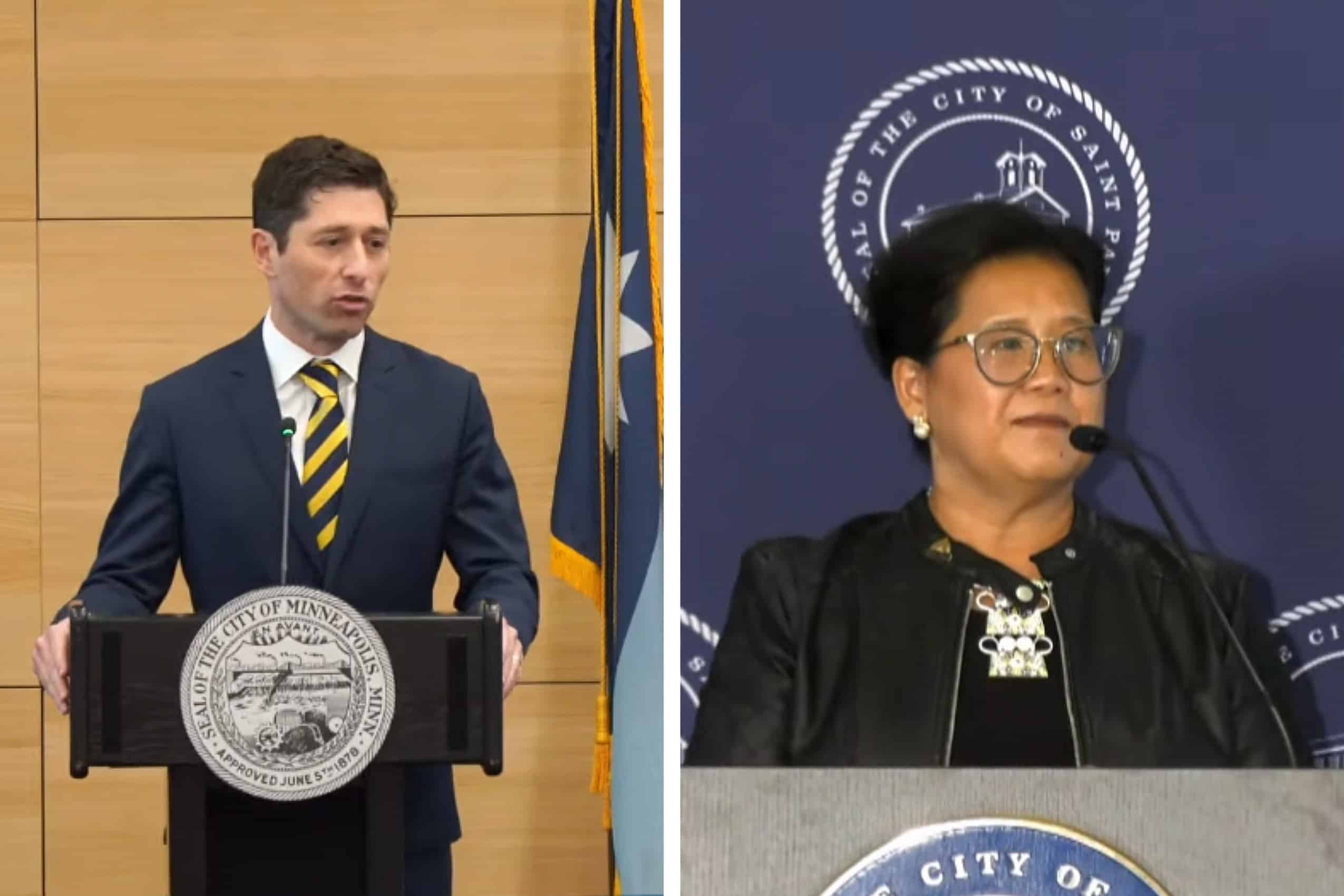
The mayors of Minneapolis and St. Paul are proposing staff layoffs and significant property tax hikes in order address budget shortfalls in both cities. Those potential increases come at a time when frustrations about property taxes are at an all-time high in Minnesota.
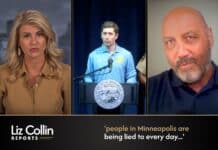
In Minneapolis, Mayor Jacob Frey proposed raising the city’s property tax levy by 11.3% and cutting 100 city jobs as part of his 2027 budget address. The layoffs and tax increase would help tackle a $60 million budget shortfall the city is facing.
Frey made his proposal in a Wednesday budget address where he said the city has faced several “unanticipated events” over the last six years such as declining downtown property values, inflation, and Operation Metro Surge which have affected the city budget.
According to the mayor, the city now faces a situation where its expenditures are growing faster than its revenues and an adjustment is needed. Frey emphasized that his budget proposal is about meeting the city’s basic obligations rather than expanding services.
In total, Frey’s 2027 budget proposal spends $2.3 billion.
Among its components, Frey’s plan would add more money to the city’s police overtime budget, an area where the city has consistently spent more than was budgeted. Frey has previously said that overspending was necessary to meet city needs.
On Wednesday, Frey explained that the city faced a 19% property tax levy increase next year if it stayed on its current fiscal trajectory, but his plan would bring that increase down to the 11.3% he is proposing. Last year, Minneapolis raised its property tax levy by 8.1%.
Now, Minneapolis City Council members will spend the next few months reviewing Frey’s budget proposal, amending it, and ultimately producing a final budget. The mayor has the authority to authorize or veto whatever budget the council produces.
The 2027 Minneapolis city budget is expected to be finalized before the end of the year.
Meanwhile, St. Paul Mayor Kaohly Her proposed a 6.8% property tax levy increase and layoffs to “supervisory” positions in the city police department to address a $26 million budget shortfall. Her’s proposal was made in a Thursday budget address.
In her address, Her noted that St. Paul’s commercial property values have declined. She also said inflation and tariffs have contributed to rising costs while city revenues have “not kept pace.” Her said this has resulted in “increasing pressure on property taxes and rents.”
Regarding the police layoffs, Her said her budget proposal would reduce the number of St. Paul police officers from 616 officers to 605 officers. The mayor said those reductions would reduce “supervisory positions while protecting patrol officers.”
Like its counterpart in Minneapolis, the St. Paul City Council will spend the next several months reviewing Her’s budget proposal before submitting a final budget. They mayor has the power to line-item veto sections of the council’s produced budget.
Last year, St. Paul increased its property tax levy by 5.3%.
Minneapolis and St. Paul are among the first local governments in Minnesota to publicly announce proposed property tax increases for the coming year. Over the next few months, cities and counties across the state will also begin to unveil their proposed budgets.
However, frustration about rising property taxes has grown in recent years. Last year, Hennepin County raised its property tax levy by 7.8%, Anoka County raised its by 9.7%, and St. Louis County raised its by 12.4%.
Rising property taxes was a significant theme during the 2026 legislative session. During that session, lawmakers ultimately passed short-term property tax relief for residents.
That measure provided $125 million in property tax relief available via the property tax refund process. Minnesotans who get a property tax refund will see their homestead credit increased by 14.88% on taxes payable in 2026.
Importantly, an increase in a property tax levy does not necessarily mean that an individual homeowner’s property taxes will go up. Instead, a property tax levy increase is an increase in the total amount of property taxes collected by a jurisdiction.
While such an increase does lead to higher property tax bills for individuals and businesses, property tax bills are unique to each property and are calculated by the changing valuation of an individual property.
Property taxes levied by cities, counties, and school districts all stack on top of each other and show up in property tax bills as one total number.

Luke Sprinkel
Luke Sprinkel previously worked as a Legislative Assistant at the Minnesota House of Representatives. He grew up as a Missionary Kid (MK) living in England, Thailand, Tanzania, and the Middle East. Luke graduated from Regent University in 2018.