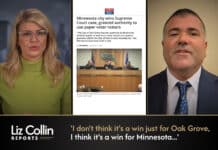




Attorney Greg Joseph is speaking out on a new lawsuit filed at the Minnesota Supreme Court that could “smash the wall of secrecy” surrounding absentee ballot boards in the state.
If he looks familiar, Joseph also represents former Minneapolis police officer Derek Chauvin. He spoke out about that case in our latest documentary, Minnesota Mao.
On behalf of Minnesota Voters Alliance, Joseph recently filed a lawsuit against Hennepin County, Anoka County, and the city of Plymouth centered around ballot boards — the people who accept and reject absentee ballots.
WATCH:
The petition asks the Minnesota Supreme Court to make a decision prior to absentee ballots becoming available to the public on Sept. 18.
“These are the people who are deciding elections one way or the other and absentee ballots made up something like 40% of the total ballots cast in the last election, and then in 2020, the general election, they made up 60% of all ballots. So we’re talking about a very sizable chunk of ballots in the state,” Joseph explained.
He also said that “the people who are accepting and rejecting these ballots, there’s a lot of trust placed in those people. And so the legislature wanted us to know who those people are. The reason for that is because we have transparency, but it also restores a layer of accountability. If the people who are accepting and rejecting ballots know that their names are public, that the people know who they are, they’re going to be a lot less likely to engage in any sort of shenanigans.”
“This lawsuit isn’t about proving that there were ballots that were counted that shouldn’t have been, or removing names, or anything like that. What this is about is shining sunlight on something that should have been in the daylight from the beginning,” he added.
Minnesota Voters Alliance seeks field preemption
“The finding we’re hoping for is that the Supreme Court will find what’s called field preemption. Field preemption is a determination that the legislature intended to control every aspect of this ballot board process because what’s happened is the cities and counties are exercising local authority in areas where they don’t have any local authority to exercise,” Joseph said.
He also pointed out that “cities and counties only have the authority that the legislature bestows upon them. And if there’s no reservation for local authority in this statute, that means they don’t have any local authority, which means any ordinance, any resolution that any city or any county passes outside of the four corners of this statute is void.”
“That’s clearly what the legislature intended when they drafted this. They didn’t want cities and counties making decisions behind closed doors and erecting this sort of wall of secrecy to protect the identities of the people who are accepting and rejecting your ballots,” he added.
Joseph noted that “because of some gymnastics in interpreting the language in this statute, nearly every city and county across Minnesota that we’ve found thus far is doing it the wrong way.”
“This is no accident. The guidance that the Secretary of State provided to all these cities and counties across Minnesota is bad guidance. It’s telling cities and counties that they don’t have to appoint anybody to the ballot board. And so then what happens is behind closed doors, that decision is made by someone else, and the voting public has no idea who’s doing this very, very important work and that’s what we’re trying to fix,” he said.
“Just turning the lights on and restoring integrity and transparency is gonna make a huge difference across every county and every city in this state,” Joseph added.
According to Joseph, state law says the process is “supposed to be open and transparent,” but that’s not what’s happening.
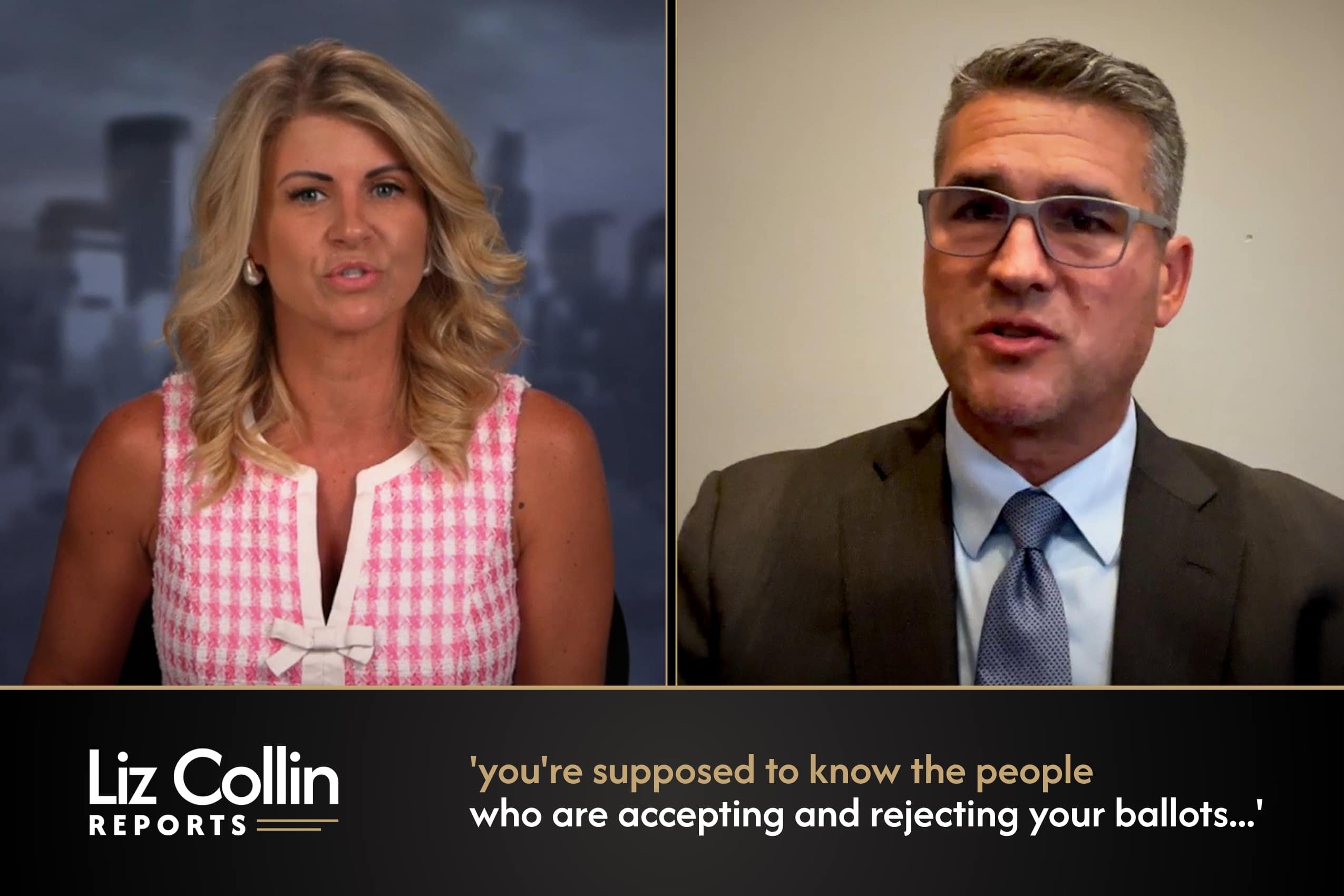
“You’re supposed to know who these people are that are accepting and rejecting your ballots. And that’s supposed to be done by an official act of the governing body, either an ordinance or a resolution. That’s what the statute says,” Joseph commented. “We’re trying to fix a big mess and the Supreme Court can do it with one stroke and I hope they will.”

Liz Collin
Liz Collin is a multi-Emmy-Award-winning investigative reporter, news anchor, and producer who cares about Minnesota. She is the producer of The Fall of Minneapolis and Minnesota v We the People documentary films, and author of the Amazon best-selling book, They’re Lying: The Media, the Left, and The Death of George Floyd. Her work has prompted important state laws. Yet perhaps most of all, Liz has been giving a voice to the truth—and helping others tell their stories—for more than 20 years.

Dr. JC Chaix
Dr. JC Chaix is an editor, educator, and an expert in media studies. He wrote and directed the Alpha News documentary "The Fall of Minneapolis" and "Minnesota v We the People."