


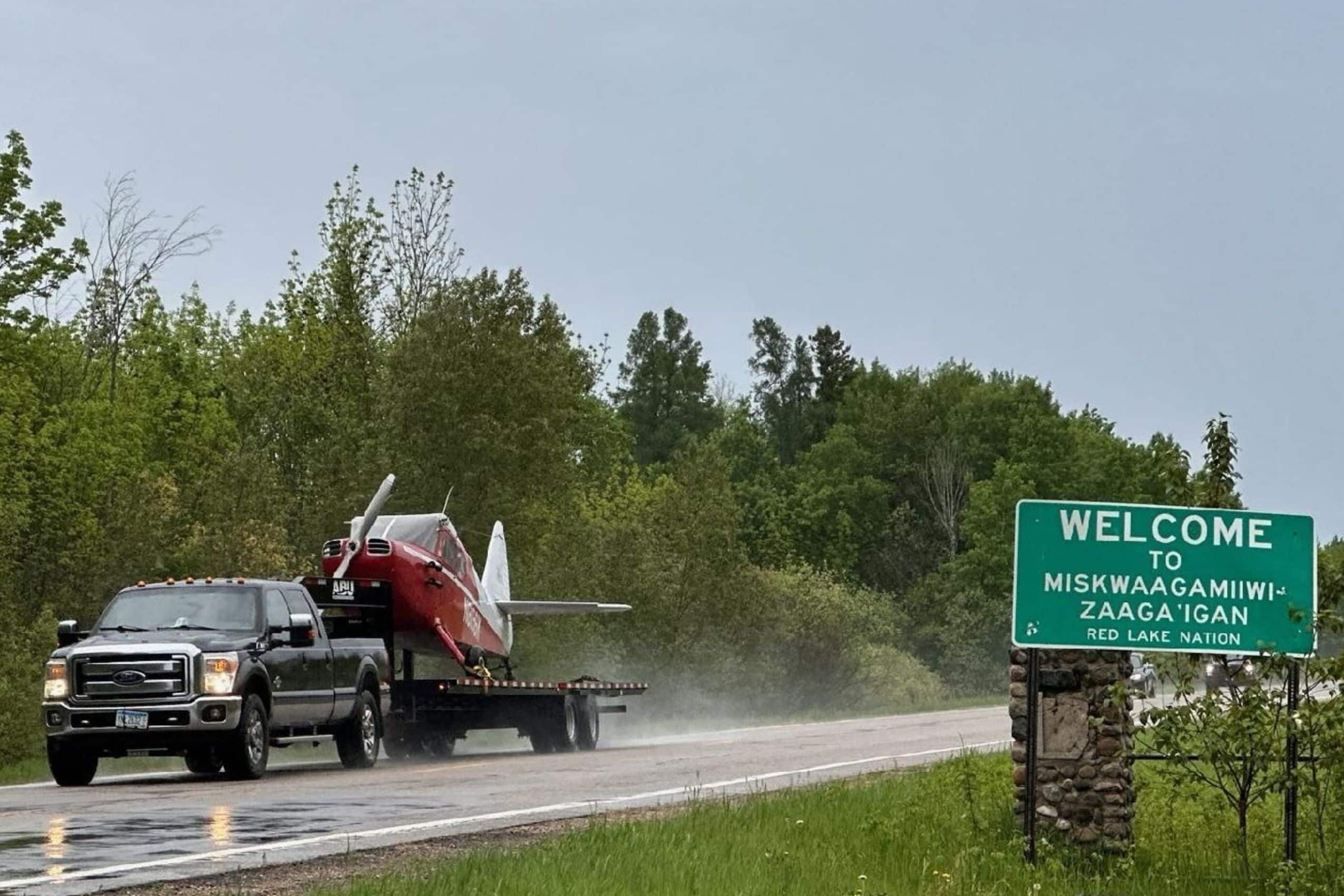
A Minnesota pilot whose vintage plane was seized by the Red Lake Nation after he was forced to make an emergency landing on the Red Lake Reservation has finally gotten his aircraft back, as tribal prosecutors now say they will not pursue criminal charges related to the incident.
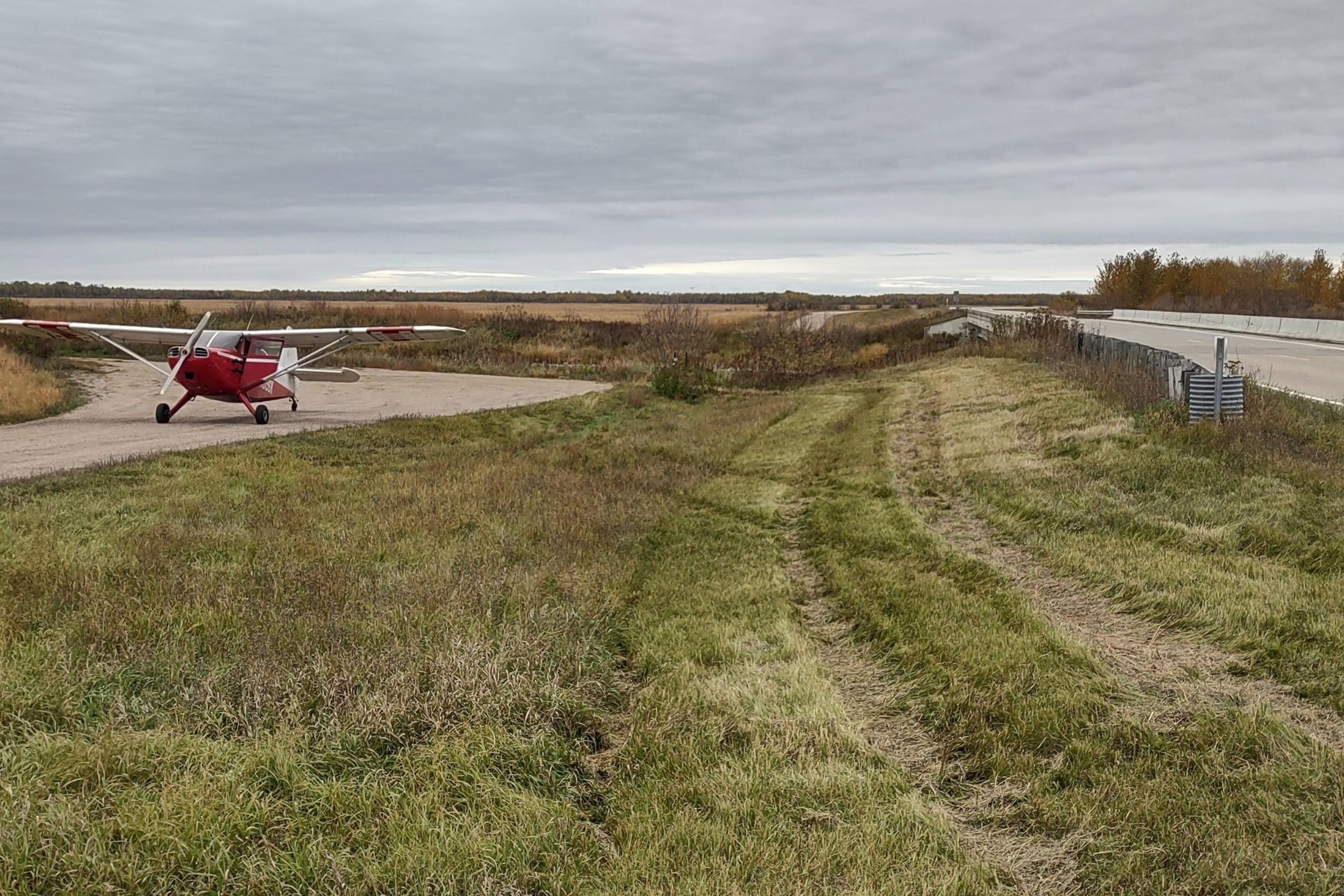
Alpha News first reported on the dispute which drew national attention in aviation circles and raised questions about tribal sovereignty and federal control of U.S. airspace, after pilot Darrin Smedsmo of Roseau experienced engine failure while flying his 1946 Stinson aircraft to Bemidji in October 2025.
Smedsmo said the aircraft suddenly lost power midair, forcing him to glide onto a state road within the Red Lake Reservation.
“I am fine, airplane is fine. While flying down to Bemidji to start my instrument pilot training, I had an engine failure. I landed on the road, then the headaches began!” Smedsmo wrote on Facebook shortly after the incident.
Tribal police seize plane
Smedsmo said tribal police impounded the aircraft shortly after the emergency landing, citing a 1978 Red Lake Tribal Council resolution that bans aircraft from flying over tribal lands below 20,000 feet.
“The land is theirs, but they are claiming the air is theirs. They don’t control the air. That is basically untenable,” Smedsmo previously told Aviation International News.
The Red Lake Tribal Council later defended the seizure in a public statement, saying the plane landed “without prior authorization or required coordination with Tribal authorities,” creating “immediate safety, liability, and resource-protection concerns.”
The tribal government also publicly reminded pilots of Resolution 59-78, which prohibits “the flying of any airplane over the lands of the Red Lake Band of Chippewa Indians at an altitude of less than 20,000 feet.”
Smedsmo and his attorney argued that federal law gives the Federal Aviation Administration (FAA) authority over U.S. airspace. According to federal law, “The United States Government has exclusive sovereignty of airspace of the United States.”
“There’s nothing marked on the chart,” Smedsmo told AIN regarding FAA aviation maps. “There are parcels everywhere over northern Minnesota governed by the same tribal laws. If they owned the airspace above each, the chart would look like polka dots.”
No charges, plane returned
Now, nearly eight months later, the Red Lake Nation Prosecution Office says it has decided not to file trespassing or related charges against Smedsmo and will return the aircraft.
“I am writing to inform you that the Red Lake Prosecution team has decided not to bring trespass or other related charges against Mr. Smedsmo with respect to his conduct on the Red Lake Nation lands on October 15, 2025; and the Prosecution has decided that it would be fair and equitable to return Mr. Smedsmo’s airplane to him at this time,” Red Lake Chief Prosecutor Ogema Neadeau wrote in a June 1 letter to Smedsmo’s attorney obtained by Alpha News.
The letter states the incident prompted the Red Lake Nation to review and update policies regarding aircraft operations over tribal airspace, particularly involving emergency medical aircraft, wildfire response operations and other emergency flights.
The prosecution office acknowledged in the letter that the federal government has “preempted virtually all airspace matters throughout the United States through its authorization to the FAA to regulate the Nation’s airspace.”
Still, the tribe framed the decision to return the plane as an exercise of sovereignty.
“As the only fully closed Indian Reservation in the United States, the Red Lake Nation takes its responsibility to exercise its sovereignty very seriously,” Neadeau wrote. “The decision to return Mr. Smedsmo’s airplane in this matter is the result of the Red Lake Nation’s responsible exercise of its inherent sovereignty.”
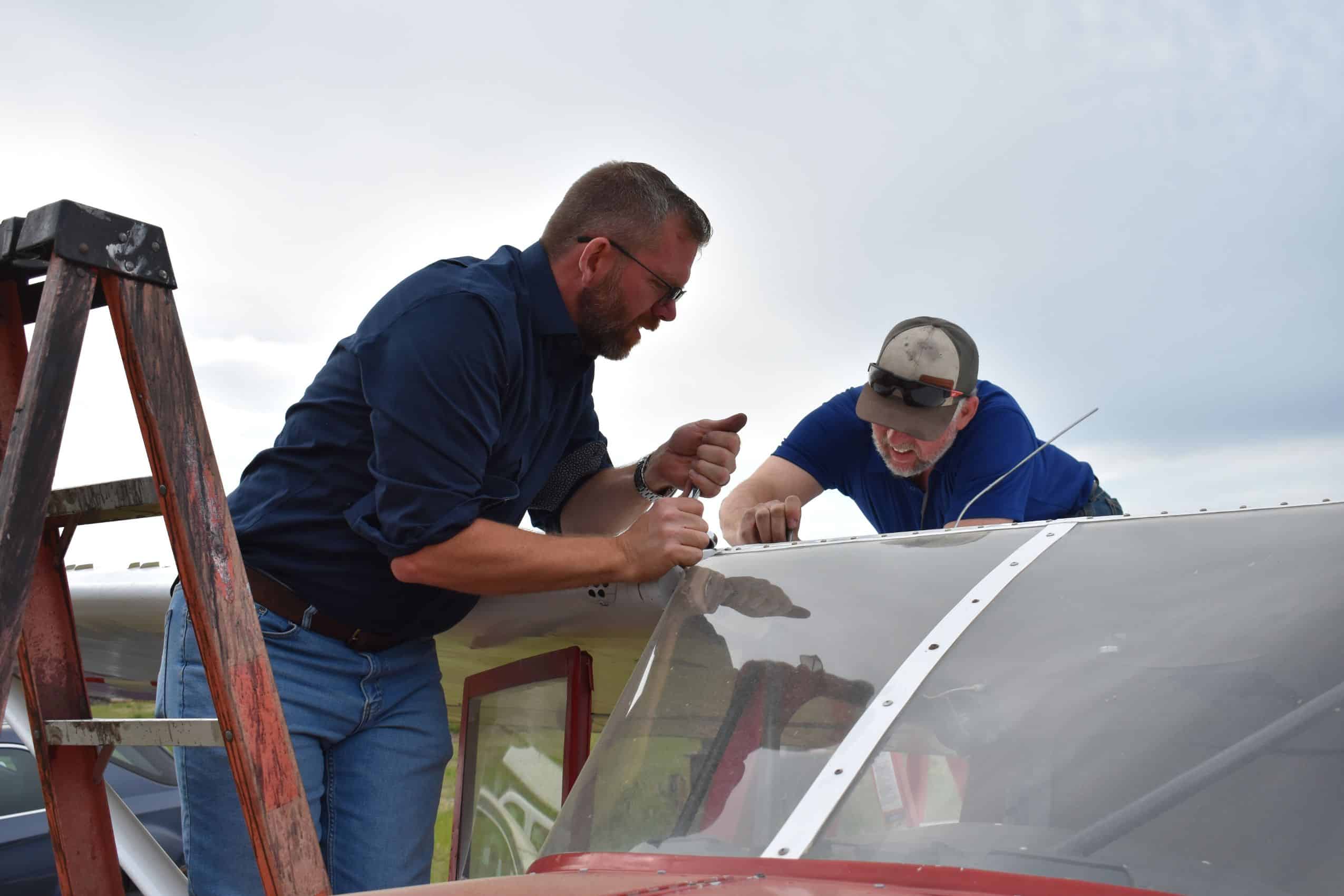
Smedsmo said he still does not know what caused the engine failure that forced the emergency landing. He told Alpha News the aircraft is currently disassembled as he and his mechanic continue inspecting and troubleshooting the plane’s engine and mechanical systems.
Pilot says ordeal cost him $10,000
Smedsmo said the legal battle over the plane came with a steep price tag.
“I paid my tribal attorney $10,000,” he said.
Smedsmo said the aviation community supported him throughout the ordeal, telling Alpha News the Aircraft Owners and Pilots Association (AOPA) remained involved in discussions surrounding the dispute and that he received an outpouring of support from fellow aviators after news of the impoundment spread.
“I have had immense support from the pilot community,” Smedsmo said. “Everyone who flies knows it could have been them.”
He said communication with the FAA was difficult immediately after the incident due to the partial shutdown.
“The federal government was in shutdown when the incident happened, so it was very hard to get ahold of them,” Smedsmo said. “I have been in contact with them subsequently.”
As for the condition of the aircraft upon its return, Smedsmo said there was no evidence of intentional damage during the impoundment period.
“There was no human induced damage,” he said. “Just weathering, as far as we know.”
Smedsmo said the dispute did not change his view that Red Lake maintains sovereignty over its land and waters, but he believes the case clarified the limits of tribal authority in the skies above the reservation.
“Red Lake has sovereignty over their lands and waters. That has not changed,” Smedsmo told Alpha News. “I believe they now realize that the federal government has complete jurisdiction over their airspace.”

Jenna Gloeb
Jenna Gloeb is an Edward R. Murrow Award-winning journalist, media producer, public speaker, and screenwriter. Most recently, she worked as a reporter and on-air host for CCX Media. Jenna is a Minnesota native and resides in the Twin Cities with her husband, son, daughter, and two dogs.