



Minnesota’s fraud problem is newsy, but it isn’t new.
For the greater part of a decade, I have been one of the many Minnesotans sounding the alarm about a glaring loophole in our state’s food stamp program.
Back in 2016, I was volunteering in Central Minnesota, helping the elderly navigate Medicare. During a training session for volunteers, we learned that Minnesota considers only income—not assets—when determining if applicants are eligible for food stamps.
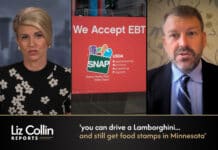
I was disturbed to learn that Minnesota is one of the states that uses a loophole called Broad-Based Categorical Eligibility (BBCE) to bypass federal asset limits when signing folks up for food stamps. You could have six houses, four cars, and a billion dollars in savings, and you’d still be eligible for the state’s food stamp program as long as you’re within the income limit for the program. It was sold as a way to reduce administrative costs, but in reality, it allows millions of applicants to receive welfare they otherwise wouldn’t qualify for.
Applicants like me.
Not checking assets seemed too absurd to be true. So, to prove a point, I sat down one day and applied for food stamps. I was retired, my pension hadn’t kicked in yet, I elected to delay Social Security benefits, and my wife and I were primarily living off our savings. Our income was nearly nothing, but our assets—house, retirement nest egg, and other property—technically made us “millionaires.”
I qualified for food stamps, and for 19 months, I remained on the program until my pension kicked in and my new income disqualified me.
When I initially shared my story and called on the state legislature and Congress to close this loophole, I was surprised by the pushback I received. I even had individuals report me to county authorities for fraud.
But I didn’t commit fraud. I answered every single question truthfully and didn’t withhold any information requested. I used the program the way it was designed to work. Minnesota just didn’t care how rich I was, as long as I didn’t have any income.
I donated the equivalent amount of money I received in food stamps to individuals, my church, and charities so as to not financially profit from the loophole. If someone like me—who was just trying to prove a point—could get through a completely legal loophole and sign up without any issues, it’s not difficult to imagine how millions of individuals who do mean to do harm could exploit lax program integrity to do some serious damage—especially when those in power willfully turn a blind eye so as to not offend anyone.
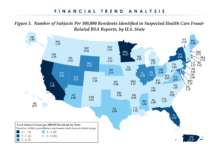
It’s an insult to our Midwestern generosity to allow these programs to continue to be used and abused without any change. It’s even more offensive for local and state leaders to act as though the issue is overblown, just the work of conservative activists trying to stir up trouble. $9 billion is what we know about—there’s undoubtedly more lurking beneath the surface. The BBCE loophole I used to become a food stamp millionaire doesn’t even count in the total fraud figure because it’s legal. It’s fraud by design.
And Minnesota taxpayers are going to remember this when state leaders complain that there isn’t enough money for education, roads, and other important needs. Tax increases for budget shortfalls aren’t going to fly anymore.
We may not get the billions lost to waste, fraud, and abuse back. But Minnesota learned a valuable, albeit painful, lesson about what happens when we don’t take program integrity seriously.
And it’s a lesson that’s about to get even more painful if nothing changes. Under a new federal law passed with the help of my congressman, Tom Emmer, and his colleagues, states are about to face financial penalties for high improper payment rates in Medicaid and food stamps—our state’s and the nation’s largest welfare programs.
It’s time to lick our wounds, learn from our mistakes, and stop making excuses. We have everything to gain and nothing to lose if we close loopholes, ensure there are strong eligibility verification processes in place, and make sure that truly needy Minnesotans—not fraudsters or millionaires—are the ones getting welfare resources.
Rob Undersander is a retired Minnesota engineer and “millionaire whistleblower” who used his own SNAP eligibility to highlight welfare system loopholes and push reforms in partnership with the Foundation for Government Accountability.
The views and opinions expressed in this commentary are those of the author and do not represent an official position of Alpha News.

Rob Undersander
Rob Undersander is a retired Minnesota engineer and "millionaire whistleblower" who used his own SNAP eligibility to highlight welfare system loopholes and push reforms in partnership with the Foundation for Government Accountability.