




Just days after Alpha News reported that rural home care providers said Minnesota’s Medicaid revalidation process was shutting down legitimate agencies, non-emergency medical transportation companies in Greater Minnesota say they are now facing similar disruptions — leaving dialysis patients and others without reliable transportation to critical medical appointments.
The fallout comes amid Minnesota’s “Revalidate 2026” initiative, launched after federal authorities warned the state it risked losing billions in Medicaid funding if it failed to strengthen oversight of high-risk programs tied to years of fraud scandals.
The state reviewed more than 5,500 providers across 14 high-risk Medicaid service categories. That process was completed on May 31 and resulted in 2,061 providers being revalidated and 3,411 being disenrolled.
According to a statement from Rep. Natalie Zeleznikar, R-Fredenberg Township, some of the affected companies have served rural Minnesota communities for decades.
“Several other providers, some of which have served their communities for 40 to 60 years, reported that they submitted all required documentation on time and were awaiting [Department of Human Services] review,” Zeleznikar’s statement said. “Despite meeting their obligations, their status has now changed from pending to terminated due to processing delays within the department.”
Provider confirms claims
Alpha News spoke to one of the providers referenced in Zeleznikar’s statement — Lifts Transportation.
The company’s owner, Scott Isaacson, told Alpha News his company submitted all required paperwork before the deadline and fully cooperated during an unannounced site visit March 26.
According to Isaacson, the issue arose because the employee who answered the door and assisted DHS inspectors was not listed as a management official. Isaacson said the employee is a payroll manager, not a company officer or owner.
DHS later cited that alleged failure to disclose the payroll manager as the reason for the termination, according to Isaacson.
“Our revalidation asked us to disclose owners and authorized individuals. I read that the way I have read every enrollment and licensing form for the 17 years that I have been in this business, that owners and officers must be disclosed. We had never been required to list a non-officer manager before,” Isaacson said. “It is worth noting that every single employee, myself included, are cleared through the NETStudy program, which is administered through DHS.”
Isaacson argued the situation demonstrated the company was attempting to comply rather than conceal information from regulators.
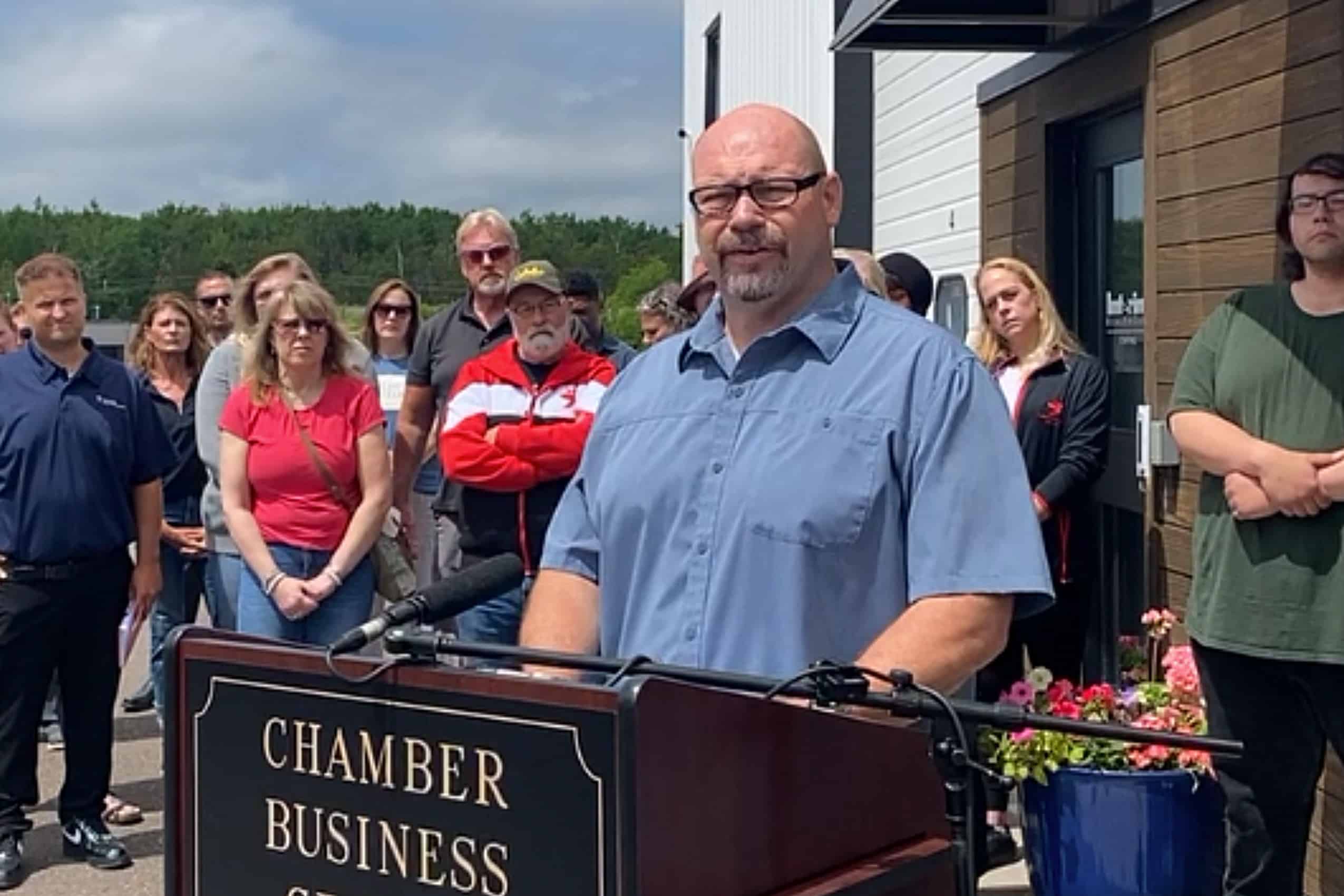
“It is also worth noting that DHS only learned of this manager because we sent her to allow DHS into our office and authorizing her to speak for us,” Isaacson said. “A provider intent on concealment would not have sent a person to the door who was supposed to be listed, and DHS would have found nothing, which tells you the process caught our candor, not intent to mislead.”
According to Isaacson, DHS never contacted the company to request clarification or allow the issue to be corrected before issuing a termination May 28.
“One more call would have resolved it,” he said. “The omission is fully curable, and our appeal provides the complete management disclosure. They chose termination instead. I cannot imagine the expense and time this is now taking to remedy.”
While appealing the decision, Isaacson said the company can no longer directly bill DHS for Medicaid transportation services and warned the disruptions could have serious consequences for vulnerable patients in rural Minnesota.
“Our riders depend on these trips for dialysis, chemotherapy, and other care they cannot reach on their own,” Isaacson said. “When a long-standing provider is cut off with no notice, those are the people who get stranded. The deadline was real, but cutting off a 27-year provider over a single record-keeping item, with no chance to fix it, does not protect patients.”
Isaacson said he believes Minnesota’s current crisis stems from years of inconsistent oversight and unclear standards.
“This did not start with the federal government, and it did not start with us. It started with years of DHS neglecting basic oversight. Even legislators who support the revalidation have said this should have been happening for years, and they are right,” he said. “DHS should have been verifying documents, ownership, and staffing all along. So when DHS frames these terminations as something Washington forced on it, I think that is backwards. The deadline is federal. The reason MN DHS is under this deadline is due to their own lack of oversight.”
Isaacson added that “the same thing that let fraud go unchecked is what swept us up: rules that were unclear and kept changing.”
“For 17 years no one told us to list a non-officer manager. Then it was suddenly required, with no clear notice and no chance to fix it. If the standards had been clear and consistent all along, bad actors would have had fewer gaps to exploit, and honest providers would have known exactly what was expected,” he continued. “Murky, shifting rules do not just fail to stop fraud. They punish the providers who are trying to comply.”
Other providers speak out
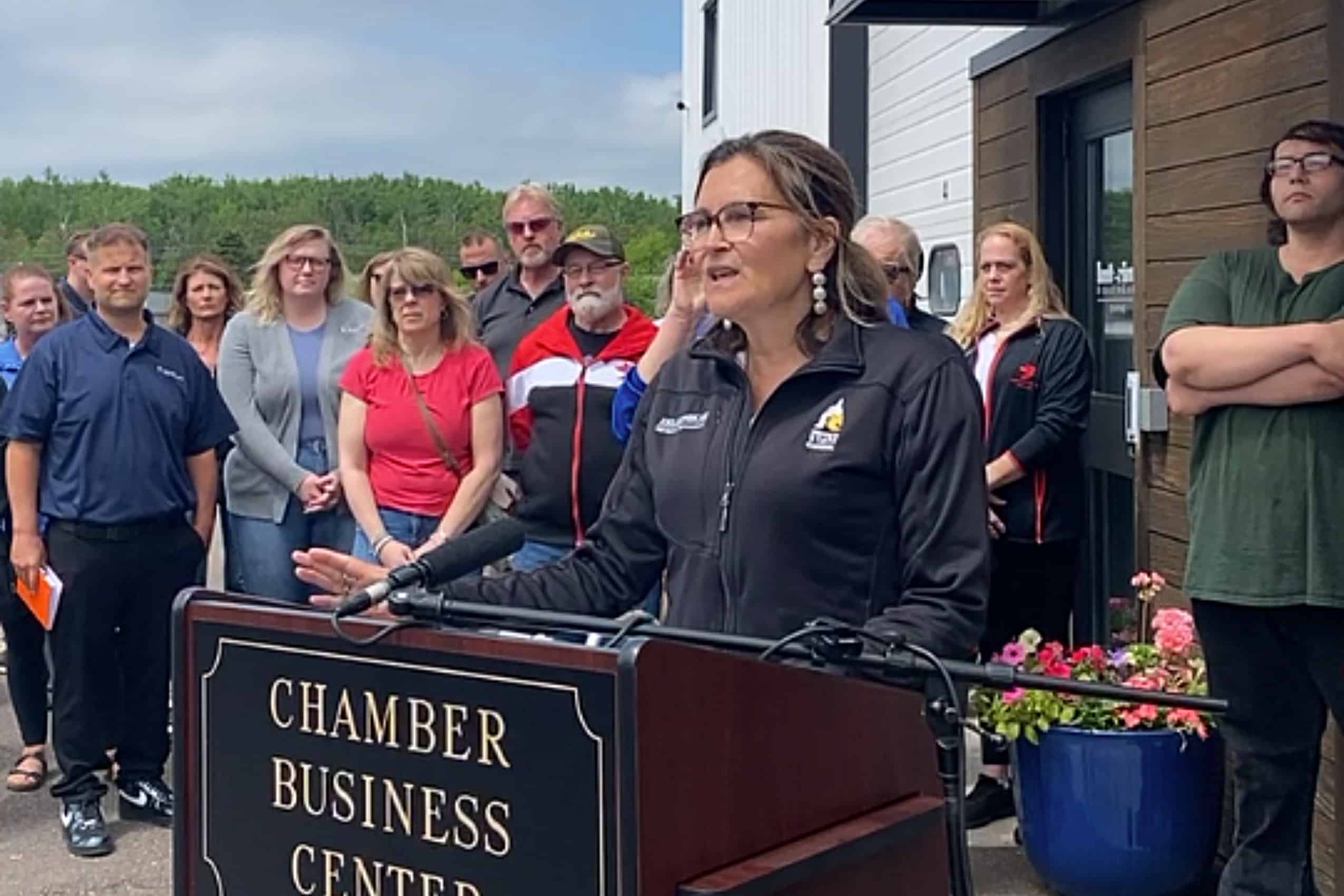
His complaints mirror concerns raised by rural home care agencies interviewed by Alpha News last week as well as those discussed during a press conference hosted by Rep. Zeleznikar Tuesday.
Susie Rosette with Redbird Transportation in Two Harbors said the situation could cause a strain on local resources and lead to harmful health consequences for some residents.
“If people cannot get to dialysis, if they can’t get the life-saving treatment they need three times a week, what happens to those people is they end up calling 911, they’re using an ambulance to get to the hospital,” she said. “If people can’t get there in time or miss a day, it causes severe complications in their body and they’re going to be hospitalized.”
Zeleznikar described the situation as “chaos,” saying the “method” DHS chose was “cut everybody off by June 1, even the ones behind me that have been in good standing for decades.”
“They cut everybody off. Does that make any sense?” she said. “That is not common sense. That is going to hurt Minnesotans.”

Jenna Gloeb
Jenna Gloeb is an Edward R. Murrow Award-winning journalist, media producer, public speaker, and screenwriter. Most recently, she worked as a reporter and on-air host for CCX Media. Jenna is a Minnesota native and resides in the Twin Cities with her husband, son, daughter, and two dogs.