


A new report from the Office of the Legislative Auditor (OLA) warns that the Medicaid-funded system that pays for assisted living care in Minnesota could be vulnerable to improper billing.
That revelation was part of a new 55-page report that was released Wednesday. In that report, the OLA, which audits Minnesota state government agencies and programs, examined state oversight of assisted living facilities.
Assisted living facilities are institutions that house people in need of care or supervision. Those facilities support their residents in various ways but are distinct from nursing homes and do not provide the same level of medical care available at nursing homes.
According to the OLA’s report, Minnesota had over 2,200 assisted living facilities as of July 1, 2025. Those facilities vary significantly in the types of services they provide, with some of the facilities providing very specialized care for certain populations.
In Minnesota, a majority of assisted living facilities receive funds from the state-run Medical Assistance program that is funded by Medicaid. According to the OLA, the Medical Assistance program spent $1.1 billion on assisted living facilities in fiscal year 2024.
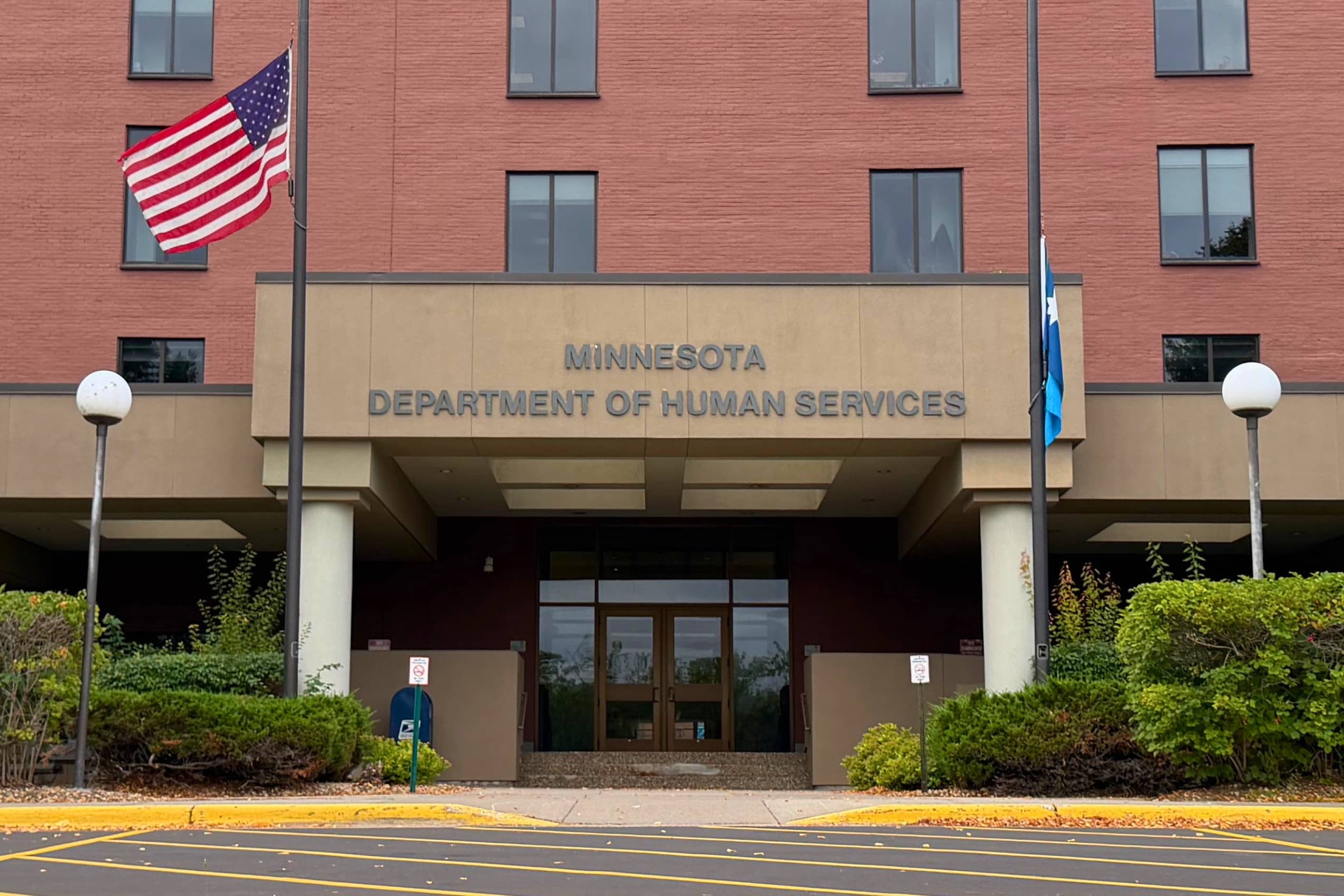
Additionally, assisted living facilities are regulated by the Minnesota Department of Health (MDH), but the Minnesota Department of Human Services (DHS) runs the Medical Assistance program and issues payments related to assisted living facilities.
In recent years, DHS has come under heavy scrutiny for the level of fraud that has occurred in state-run programs. Last year, the agency designated 14 programs as being at “high-risk” for fraud. The program that funds assisted living care was not one of those 14 programs.
According to the OLA’s report, the OLA examined how MDH licenses and inspects assisted living facilities. The OLA found that “MDH has generally ensured that applicants for assisted living facility licenses meet licensing requirements.”
However, the report noted that MDH did not always maintain documentation to verify claims made by individuals applying for assisted living facility licenses. Further, the OLA report found that MDH “has not inspected assisted living facilities as frequently as required by law.”
Most notable from the OLA report was the OLA’s findings about how assisted living facilities are funded by DHS.
According to the OLA, residents in assisted living facilities use Medical Assistance to pay for their expenses and services, and DHS issues those payments. However, the OLA found that MDH has not always kept DHS appraised about the licensure status of some facilities.
“MDH has not provided DHS with clear information about the license status of some assisted living facilities, making it challenging for DHS to verify it is paying eligible providers,” noted the OLA report.
“Our analysis of DHS and MDH data showed that a small number of facilities received DHS payments for services provided after their MDH assisted living facility licenses had expired, and the facility never obtained a license renewal,” the report said.
“We were unable to determine whether these payments were improper because of the poor quality of MDH’s data,” added the report.
Additionally, the OLA report found there is no point at which DHS verifies whether claims submitted by assisted living facilities correspond with the number of residents who are at those assisted living facilities.
“According to DHS data, over 100 assisted living facilities received DHS payments for more individuals than their licensed capacity during Fiscal Year 2024,” but it “is unclear whether any of these payments were for services that were not actually provided,” says the report.
Addressing this, the OLA said it contacted some of the assisted living providers that received payments for more residents than reside at the facility.
“In all cases, mismatches between payments and residents in DHS data were explained by some residents living in a different assisted living facility owned by the same provider,” the OLA wrote.
Finally, the report found that “DHS processes for verifying Medical Assistance payments for assisted living services may not catch certain types of misbilling.”
In short, the OLA explained that DHS does not check whether facility residents receive care consistent with issued payments and there is a chance neither DHS nor county social services workers would catch a situation where residents are being underserved.
“Determining whether such overbilling actually occurred was beyond the scope of our evaluation, which was primarily focused on MDH’s responsibilities,” the OLA wrote. “However, our limited review of DHS data and procedures suggested that there is a risk that such overbilling could occur without detection.”
In turn, the OLA made various recommendations to DHS and MDH to address each of the issues identified in their report. Officials with DHS and MDH responded to the OLA’s recommendations in letters published alongside the report.
DHS Temporary Commissioner John Connolly said DHS agrees with the recommendations the OLA made to his agency.
“We continue to strengthen internal controls that help us detect and prevent fraud while improving program integrity and oversight of assisted living facilities so people can get the care they need,” he said.
Additionally, Connolly noted that state government authorized a new law in 2026 which gives DHS greater ability to provide oversight of assisted living providers and ensure Medicaid funds go to the people who need them.
Meanwhile, MDH Deputy Commissioner Wendy Underwood said her agency has already addressed some of the issues raised by the OLA and expressed a willingness to work on other issues.

Luke Sprinkel
Luke Sprinkel previously worked as a Legislative Assistant at the Minnesota House of Representatives. He grew up as a Missionary Kid (MK) living in England, Thailand, Tanzania, and the Middle East. Luke graduated from Regent University in 2018.