




After a Burnsville High School volleyball coach was recently charged with sexually assaulting a 17-year-old player, many are asking: how can schools and sports programs do more to protect kids from coaches who cross the line?
Brooke Reinhardt, 24, admitted to multiple sex acts with a teen boy she coached over a two-month period as well as sending him nude photos, according to charges. Police discovered text messages where Reinhardt told the boy he “had a lot of things to delete,” according to the criminal complaint.
Cases like this are not isolated, and advocates say more needs to be done to create safeguards in youth sports.
Brooke Reinhardt, 24, of Rosemount, Burnsville Boys Varsity Volleyball Head Coach, charged with 3 counts of 3rd Degree criminal sexual conduct.
Reinhardt is accused of repeated sexual acts with a 17-year-old player.
Reinhardt made her first court appearance Thursday and has… pic.twitter.com/NKx33Of2RZ
— CrimeWatchMpls (@CrimeWatchMpls) July 4, 2025
Minnesota dads tackle dangerous communication gaps
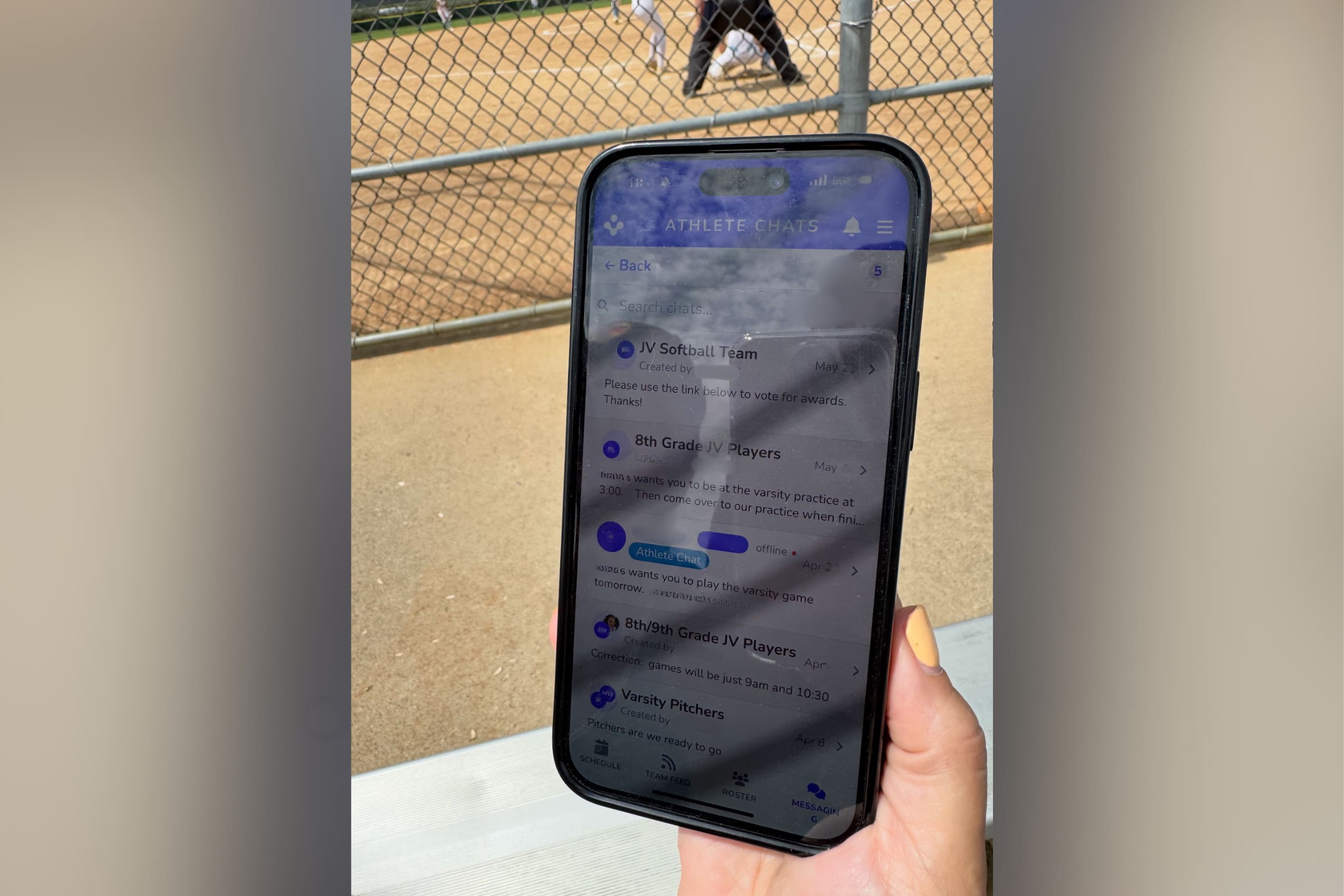
Minnesota-based SafeTeam, co-founded by Chad Capp and Todd Huna, is one company tackling the issue with an app designed to bring transparency and oversight to coach-athlete communication.
Capp and Huna, both parents of student-athletes, said their mission is to protect kids and coaches alike by eliminating opportunities for inappropriate conduct to occur unnoticed.
“Too often, misconduct goes undetected because communication happens through private texts, DMs, or unmonitored apps,” Capp told Alpha News. “We built SafeTeam to close those gaps—giving coaches a compliant, professional tool for managing team communication while ensuring parents and admins are always in the loop.”
Eliminating private coach-athlete messages
The platform blocks private coach-athlete messages and ensures all communications can be viewed by parents and school officials.
“There’s no such thing as a truly ‘private’ message between a coach and athlete on our platform,” Capp said. “That level of visibility acts as both a deterrent and an early detection system.”
In the Burnsville case, police discovered text messages where Reinhardt told the boy he “had a lot of things to delete,” highlighting how private communication can enable misconduct to go unnoticed.

Capp said he and Huna track news reports nationwide about misconduct in youth sports and are alerted to one to three new cases almost every day.
“Our true passion is to protect athletes and coaches,” he said. “When we see a story like this happen, we often reach out to the school involved and let them know we’re willing to offer our platform for free for the first year to help them get a plan in place to protect their students, coaches and schools.”
After learning about the Burnsville case, Capp said he contacted the district’s athletic director and superintendent to extend that offer.
Reporting tools give families and schools more control
Parents and players can also report concerns directly in the app, freezing a chat and alerting administrators for investigation.
According to Capp, SafeTeam has already helped programs catch red flags that administrators might have otherwise missed. In one case, a coach repeatedly messaged an athlete late at night.
“Because parents and admins were automatically looped in, the pattern was caught early and addressed before it escalated,” Capp said of the situation.
Capp believes transparency is key to preventing abuse. “This isn’t about complicating operations—it’s about protecting athletes and coaches alike,” he said.
Capp notes that currently SafeTeam operates under the brand HelloTeam as the company works through a rebranding this summer.

Jenna Gloeb
Jenna Gloeb is an Edward R. Murrow Award-winning journalist, media producer, public speaker, and screenwriter. Most recently, she worked as a reporter and on-air host for CCX Media. Jenna is a Minnesota native and resides in the Twin Cities with her husband, son, daughter, and two dogs.