




Minnesota lawmakers, frustrated over their inability to recover funds lost to fraud, came up with a proposal: imposing a 100-percent tax on fraudsters’ ill-gotten gains.
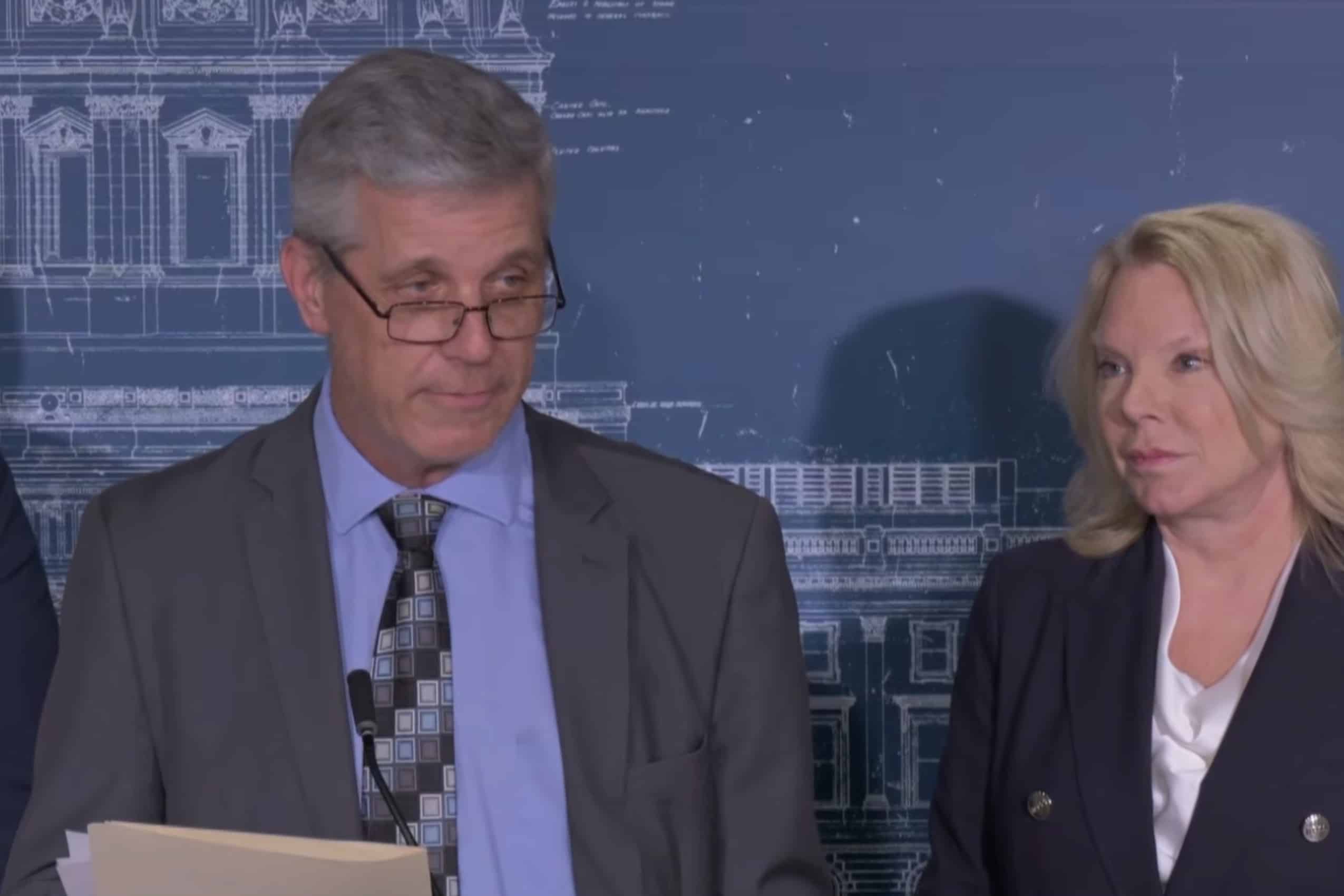
“We’re calling it ‘The Take-it-Back Act,’” Republican state Sen. Steve Drazkowski said during an April 15 news conference in St. Paul, Minnesota, with state Rep. Patti Anderson, who introduced the proposal two days prior.
“The people in Minnesota, they want their money back, and it’s our job as legislators to do everything we can to make that happen,” she said.
Anderson, a Republican who serves as vice chair of the Minnesota House anti-fraud committee, said the bill, HF4950, is drawing bipartisan support.
“No matter what party you are, no matter what part of the state you represent, people are angry about the fraud,” Anderson said. “They’re angry about the dollars that have flown out the door.”
As far as Anderson knows, this proposal is the first of its kind in the nation; it’s an outgrowth of Minnesota’s unenviable new reputation as a haven for fraudsters, she said.
Billions of taxpayer dollars are believed to have been lost to Minnesota fraud scandals that have been simmering for years and gained national attention late last year.
Among 35 lawmakers who signed onto Anderson’s bill, 11 are Democrats, Anderson said.
Under her proposal, people or organizations convicted of fraud would be taxed for 100 percent of the amount. The tax would also apply to people who receive compensation for cooperating in schemes. The measure would take effect on fraud convictions or fraud “determinations” by the state tax commissioner after Dec. 31, 2019.
The Department of Revenue is consulting with lawmakers on details for implementing the proposed tax; the state tax commissioner would be responsible for scheduling payments and enforcing collections.
As proposed, the tax would be paid “regardless of any amount of restitution or penalty imposed or paid” by the fraudster or his associates, the bill’s text says. Funds collected from the tax would be used “to finally give Minnesotans a relief they have been begging for,” Drazkowski said.
The tax receipts would be deposited into “a tax-relief account to be used only for income and/or property tax relief for Minnesotans,” Drazkowski said. “The people earned this money the old-fashioned way—through hard work—and they deserve it back.”
The bill is advancing to an April 30 hearing before the House taxes committee, Anderson said.
Minnesota has become so infamous for its scandals that it is now known as a “fraud tourism” destination, Drazkowski said. Federal prosecutors used that description to describe people accused of traveling from other states to make easy money scamming Minnesota’s government-funded programs.
Although dozens of people have been charged and convicted for fraud-related crimes in Minnesota, many cases remain under investigation, prosecutors have said, estimating fraud losses at $9 billion dating to 2018.
“Sadly, most of the money stolen from hard-working Minnesota taxpayers will never be recovered,” Drazkowski said.
An organization called Feeding Our Future stole nearly $300 million from a COVID-19 pandemic program for feeding children; only $66 million has been recovered, he said.
“Much of the money has been laundered many times, multiple times, using shell companies to hide the money,” he said.
Scammers bought aircraft, gold jewelry, and resorts in foreign countries, he said. One fraudster “even laundered the money, $20,000, through the purchase of a laundromat,” Drazkowski said, saying that irony added “a little levity” to the otherwise very serious situation.
He said the two questions his constituents ask most often are, “What are we going to do with all the fraud? And how are you going to get our money back?”
Drazkowski said Anderson’s proposal can bring some positive answers that Minnesotans have been seeking.
This article was originally published by The Epoch Times.