



From the Feeding Our Future scheme — one of the largest pandemic-relief fraud cases in the country — to Nick Shirley’s shocking revelations that came from the “Quality Learing Center,” Minnesota has been the epicenter of America’s taxpayer-funded fraud crisis, raising serious alarms across the country over the improper handling and misuse of federally funded, state-administered programs.
These scandals, and the many others that have come to light in recent years, are not only glaring administrative shortcomings by the Walz administration; they’ve exposed how easily bad actors were able to exploit weak oversight, fragmented agencies, and emergency programs.
My fellow Minnesotans and I know all too well the cost of our nation’s growing fraud crisis. Every dollar stolen from a federally funded program is a dollar stolen from our neighbors who need it — those who rely on these programs for school meals, healthcare, housing, education, veterans’ services, or emergency assistance. While program participants are hurt the most, the damage extends beyond financial loss. Taxpayers’ loss of trust inevitably results in legitimate beneficiaries facing tighter eligibility rules, honest providers facing greater scrutiny, and the erosion of public confidence in government.
That is precisely why we need a permanent, coordinated federal effort to protect taxpayers before the next scheme becomes another Minnesota-sized scandal. To address this need, I introduced the National Fraud Enforcement Division Act of 2026 and was proud to see it pass with overwhelming bipartisan support in the U.S. House of Representatives by a vote of 352-72. This legislation would make permanent the Department of Justice’s (DOJ) National Fraud Enforcement Division, establish an Assistant Attorney General to lead it, and give the federal government a centralized structure for investigating and prosecuting fraud involving taxpayer dollars and federally funded programs.
The nonpartisan Government Accountability Office estimates that the federal government loses between $233 billion and $521 billion annually to fraud. While the Trump administration has done more to stop the bleeding than any other administration in recent history, current federal fraud prosecution and enforcement efforts are spread across multiple agencies, offices, and jurisdictions, making it difficult to identify nationwide patterns, share information quickly, and coordinate civil and criminal enforcement.
Without a clear national command structure, investigations can, and often do, proceed simultaneously without full information-sharing across agencies. This fragmentation is especially problematic when criminals exploit several programs or jurisdictions at once. Earlier this year, under President Trump’s leadership, the DOJ created the National Fraud Enforcement Division to address these weaknesses by creating a permanent framework within the Justice Department solely focused on fraud enforcement efforts. Since then, the division has been tasked with leading major fraud investigations, coordinating with federal agencies and state and local partners, developing national enforcement priorities, and advising U.S. attorneys’ offices. My legislation, the National Fraud Enforcement Division Act, builds on this initiative by codifying the National Fraud Enforcement Division through an act of Congress, making it a permanent fixture within the DOJ to spearhead our federal fraud enforcement efforts while providing greater continuity across administrations.
For the folks I represent in Minnesota, the National Fraud Enforcement Division Act is more than another bill coming out of Washington. It is a legislative win with direct local meaning. Republican lawmakers in Minnesota helped elevate the need for a stronger federal response to fraud in our home state, and Minnesota’s experience has shed light on why a permanent national structure is necessary. Our state leaders can and must change course — we need to detect fraud earlier, share information more effectively, and better coordinate federal, state, and local enforcement before losses grow into the hundreds of millions of dollars.
The National Fraud Enforcement Division Act is not a silver bullet, but meaningful reform of our federal fraud enforcement structure is an essential first step. In my home state, we’ve seen that fraudsters can, and will, exploit bureaucratic boundaries. When they do, federal enforcement must be ready and equipped to go after them. By establishing a permanent National Fraud Enforcement Division, investigators and prosecutors will have the authority, coordination, and continuity needed to protect public money.
I’m proud to lead this effort on behalf of my southern Minnesota neighbors, which was supported by 352 Members of Congress from both sides of the aisle, including two-thirds of House Democrats. The Senate’s failure to pass the National Fraud Enforcement Division Act is a missed opportunity to centralize fraud prevention efforts and give federal law enforcement greater ability to investigate and prosecute the fraudsters responsible for stealing Americans’ hard-earned taxpayer dollars.
I urge my colleagues in the Senate, including Sen. Amy Klobuchar, to quickly pass this much-needed legislation and send it to President Trump’s desk.
Taxpayers deserve nothing less.
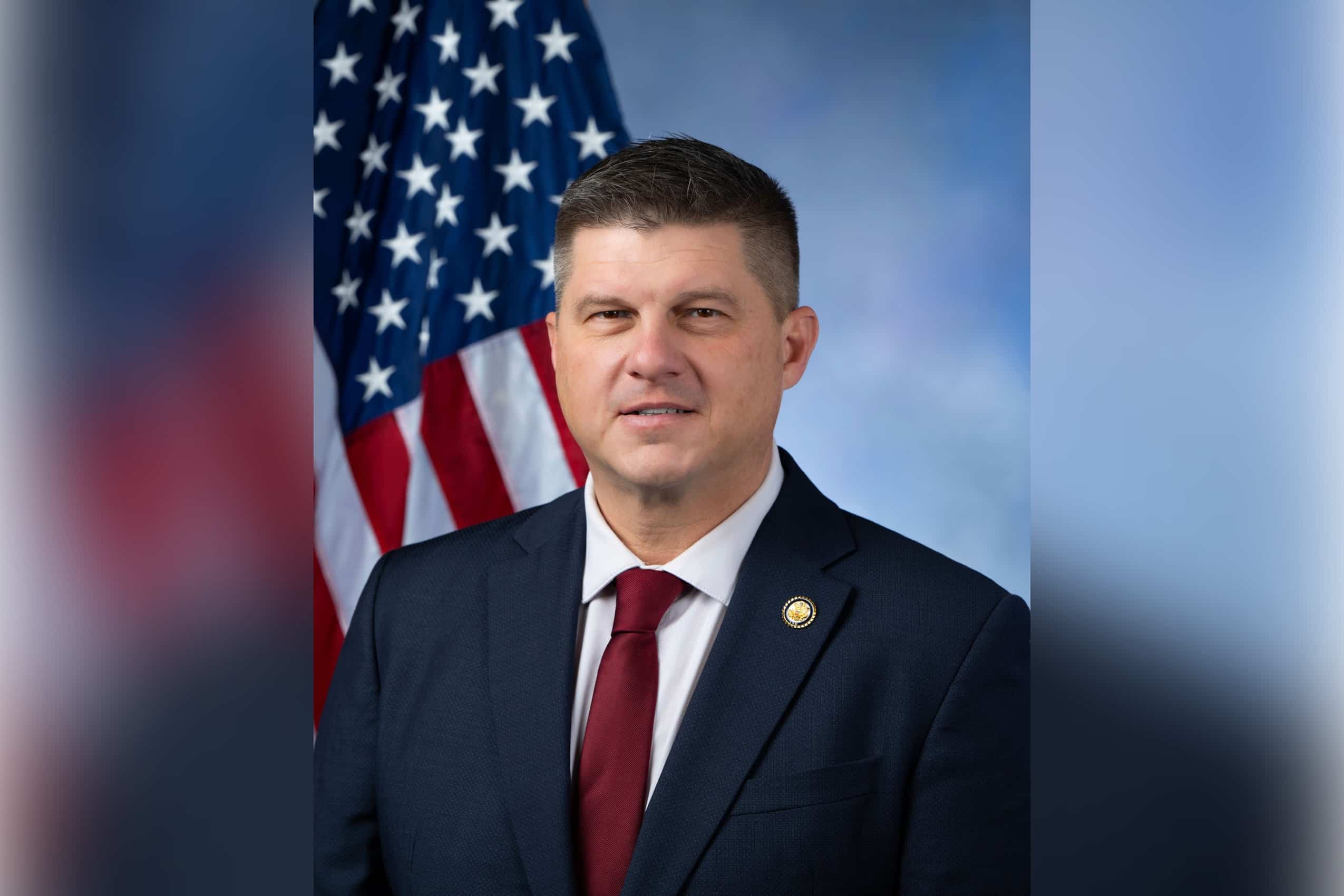
U.S. Representative Brad Finstad represents Minnesota’s First Congressional District.
The views and opinions expressed in this commentary are those of the author and do not represent an official position of Alpha News.

Brad Finstad
Rep. Brad Finstad represents Minnesota's First Congressional District.