


Shiloh Hendrix’s new legal team laid out its strategy Wednesday to challenge her disorderly conduct conviction, arguing the case raises broader questions about First Amendment protections for offensive speech.
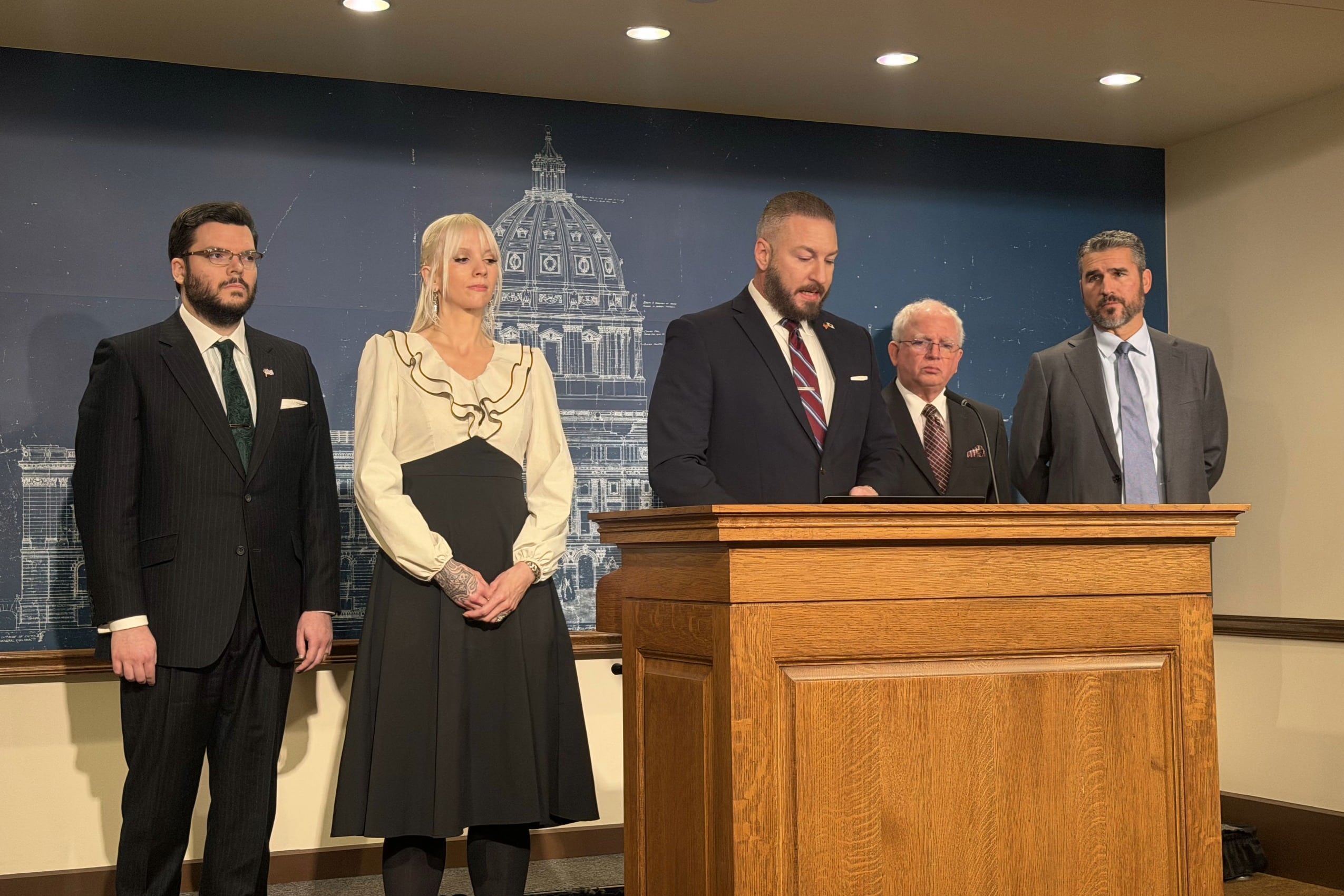
During a press conference at the Minnesota State Capitol, Hendrix’s attorneys said they will ask the Minnesota Court of Appeals to reverse the conviction and argued that her speech did not meet the legal standard for “fighting words” — speech directed at a person that is likely to provoke an immediate violent reaction.
“We’re asking them to reverse, throw it out,” Gregory Joseph, Hendrix’s Minnesota appellate attorney, told Alpha News in an interview ahead of Wednesday’s press conference.
WATCH: Shiloh Hendrix's legal team seeks to reverse her disorderly conduct conviction on First Amendment grounds
"Every one of us is entitled to the protections of the First Amendment, and if you whittle it away for some speech that maybe I disagree with, you whittle it away for… pic.twitter.com/y6IvbBb0gl
— Alpha News (@AlphaNews) November 19, 2026
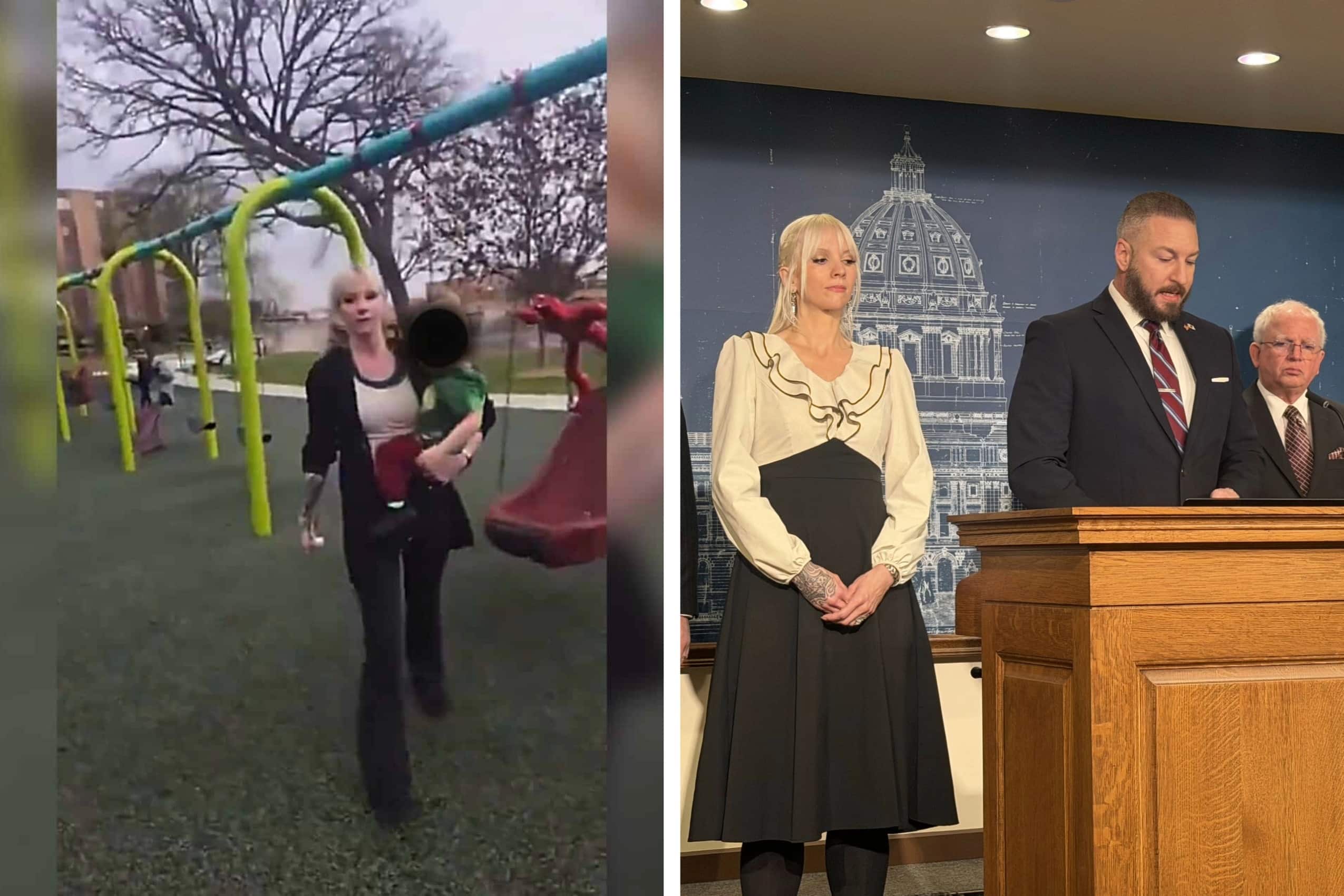
Hendrix was charged with two counts of disorderly conduct following an April 28, 2025, confrontation at Soldiers Field Memorial Park in Rochester.
According to a fact sheet released by her new legal team, Hendrix was at a playground with her young son when she saw a boy going through her diaper bag and believed he could be taking her belongings. During the encounter, Hendrix used a racial slur.
The defense says an adult bystander, Sharmake Beyle Omar, then approached Hendrix, recorded her, and repeatedly urged her to repeat the slur as she attempted to leave. A recording of the encounter went viral.

A jury later acquitted Hendrix on the disorderly conduct count involving the child but convicted her on the count involving Omar.
Hendrix was sentenced to a $1,000 fine, 200 hours of community service, and a stayed 90-day jail sentence.
Her new attorneys say the appeal will focus on whether Minnesota’s disorderly conduct statute is unconstitutional as applied to Hendrix’s case.
“The use of an offensive word is protected by the First Amendment,” the legal team said in its media advisory, arguing that Hendrix’s conviction involving Omar cannot be based on the likelihood of an immediate violent reaction when, according to the defense, Omar was repeatedly encouraging her to say the word.
Joseph said the split verdict is important to the team’s appeal because, in his view, it leaves speech — rather than conduct — at the center of the conviction.
“The fact that they acquitted on what happened with the child tells us that none of the actions there had anything to do with the conviction,” Joseph told Alpha News. “So as it pertains to the person filming her, yeah, you have nothing but speech.”
Joseph said the legal team believes Minnesota’s disorderly conduct statute was unconstitutional as applied to Hendrix.
“Even if someone is offended by what you say, it’s not a prosecutable offense unless it involves fighting words,” he said. “And this case simply doesn’t involve fighting words.”
At Wednesday’s press conference, Joseph described the distinction another way.
“The first thing to notice about the statute under which Ms. Hendrix was convicted, it’s called disorderly conduct. It’s not called disorderly speech,” he said.
The legal team also argues the jury was not properly instructed on the First Amendment standard governing “fighting words.”
Dr. John Eastman, who is advising the team on First Amendment issues, said the instructions allowed jurors to convict Hendrix without properly applying that constitutional standard.
“The First Amendment is there not to protect speech we all agree with,” Eastman said in an interview following the press conference. “It’s there and becomes necessary for speech that some people disagree with.”
In the fact sheet accompanying the announcement, the legal team cited the U.S. Supreme Court’s 1992 decision in R.A.V. v. City of St. Paul in support of its argument that Hendrix’s conviction raises broader free-speech concerns. In that case, the court struck down a hate-speech ordinance, reaffirming that government may not punish speech based on the content of the message or the offense it causes, according to the fact sheet.
Alexander Haberbush is serving as lead appellate counsel, while Joseph is serving as local appellate counsel.
Joseph said the team expects to file its appellate brief around mid-December. He said oral arguments could take place early next year, potentially in February or March.
If Hendrix does not prevail at the Minnesota Court of Appeals, the attorneys said they are prepared to petition the Minnesota Supreme Court for review and potentially pursue the case before the U.S. Supreme Court.
“This is a very, very slippery slope,” Joseph told Alpha News. “If we allow people to be, you know, arrested, convicted for pure speech, what’s next?”

Symone Harms
Symone Harms is a Media Production and Business Marketing student at Bethel University. She is actively involved in The Royals Investment Fund, The 25, theatre, and other leadership positions. She also cohosts Rooted, a podcast dedicated to being rooted in truth, growing in freedom, and prospering in life. A Minnesota native with a passion for storytelling and digital media, she aspires to a career in broadcasting as a news anchor and reporter.