
The cost of rising property taxes has become one of the biggest issues in Minnesota.
Two months ago, an Alpha News/RMG Research poll of registered voters in Minnesota found that 60% of respondents were very concerned about rising property taxes — another 27% of those surveyed said they were somewhat concerned about rising property taxes.
Last year, Hennepin County approved a 7.79% increase to its overall property tax levy, Ramsey County approved an 8.25% increase, and Anoka County approved a 9.4% increase.
In recent months, more than 250 Minnesota mayors signed a letter saying unfunded mandates from state government are forcing them to choose between cutting services or increasing property taxes on their residents.
Carver County officials have said a portion of their recent 8% property tax increase will be used to cover costs that were shifted to them by state and federal authorities.
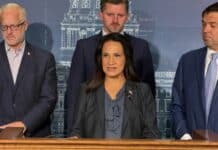
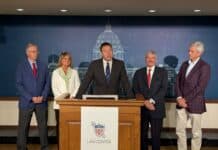
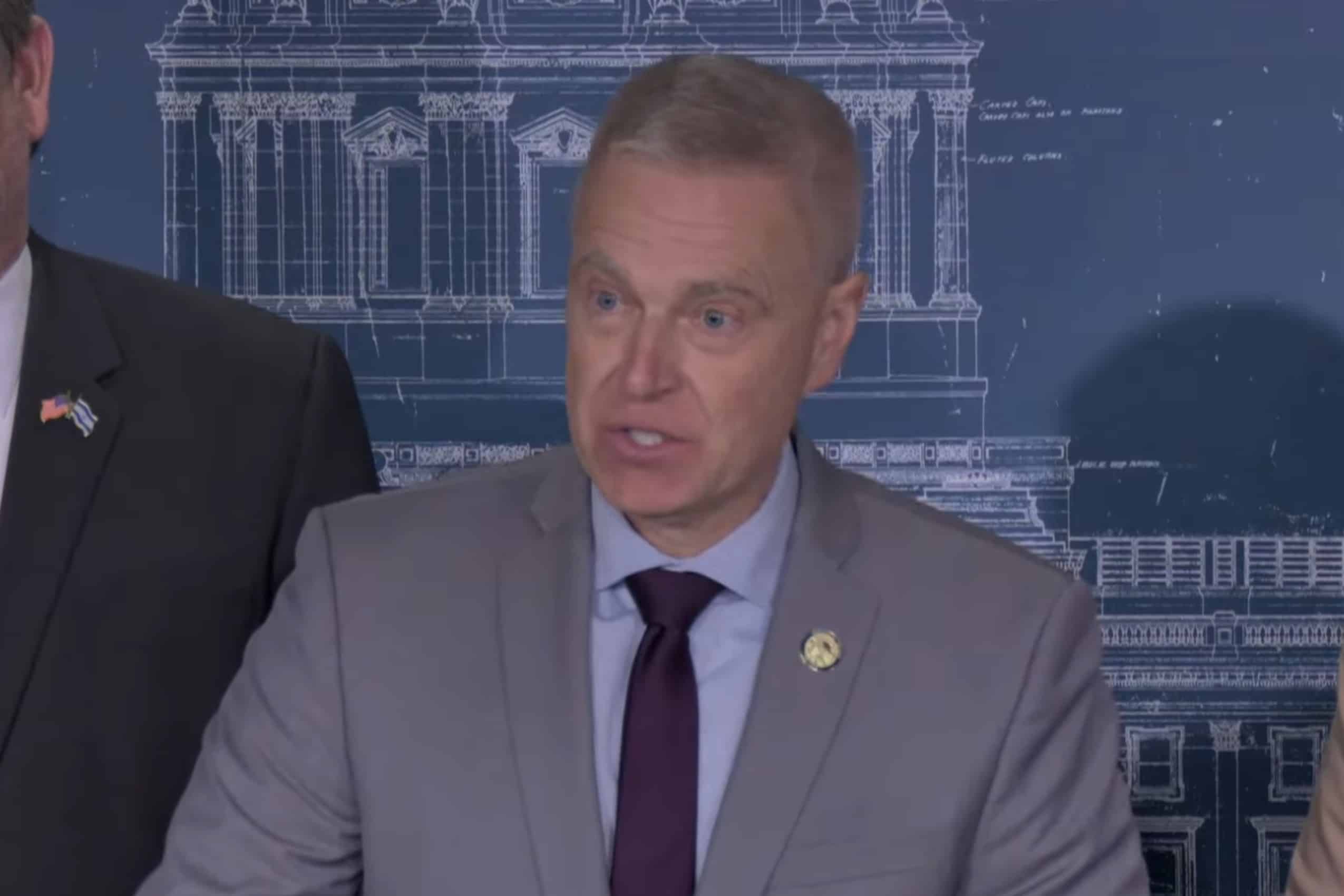
This week, Republican lawmakers in the Minnesota Senate unveiled a package of tax relief bills — among those pieces of legislation is a proposal from Sen. Michael Kreun that would blunt the rapid pace of property tax increases.
“One of the top concerns, if not the top concern, that I’ve been hearing from constituents is their frustration over ever-increasing property taxes,” Kreun said at the press conference.
“In 2026 alone, preliminary property tax levies are set to increase by nearly $1 billion, nearly 7% over 2025 levels,” Kreun added. “Some of my constituents are reaching out to me because they have seen double-digit increases year after year after year.”
Calling this trend “unsustainable,” the first-term GOP senator said “home ownership is out of reach for too many people.”
In turn, Kreun said he is introducing legislation that would cap property taxes. Under Kreun’s proposal, any locality with a population greater than 2,500 would not be allowed to raise its property taxes beyond the rate of inflation plus 50% of population growth.
For example, if the rate of inflation is 3%, and a locality’s population grew by 1%, then that jurisdiction could impose a maximum property tax increase of up to 3.5%.
If that jurisdiction wanted to increase property taxes beyond that amount, Kreun’s proposal would require that locality to put the matter before the public for a vote.
Current law already requires local school districts to gain public approval before they adopt a property tax increase. Kreun’s bill would require all of Minnesota’s major population centers to get public approval before implementing a larger property tax increase.
“This bill to cap property taxes, along with pausing any new mandates on our communities, will help keep the American dream affordable for our state,” Kreun told reporters.
Additionally, Kreun said addressing property taxes will require a restriction on property tax increases and a pause on new mandates issued to local governments. He noted that Senate Republicans are committed to pausing new mandates on local governments.
“We hear you, that your property taxes are increasing too much. We hear you, that something meaningful has to be done,” Kreun said.
“The idea that the average first-time homebuyer is 40 years-old is depressing,” he added. “That is not the American dream. We need to have an environment where families, young families, can get into that homeownership as soon as possible.”
Alongside Kreun’s proposed law, Republicans introduced legislation to end taxes on tips and overtime. Enacting those changes would ensure state law conforms with identical changes that were made to federal law via the One Big Beautiful Bill.
The Senate Republican Caucus also introduced a bill to lower Minnesota vehicle tab fees.
“Minnesota’s tab fees are the most expensive in the region. It’s not even close. We heard the frustrations and we are ready to fix it,” Sen. John Jasinski said in a statement about his legislation to lower vehicle tab fees.
Luke Sprinkel
Luke Sprinkel previously worked as a Legislative Assistant at the Minnesota House of Representatives. He grew up as a Missionary Kid (MK) living in England, Thailand, Tanzania, and the Middle East. Luke graduated from Regent University in 2018.