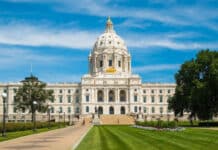


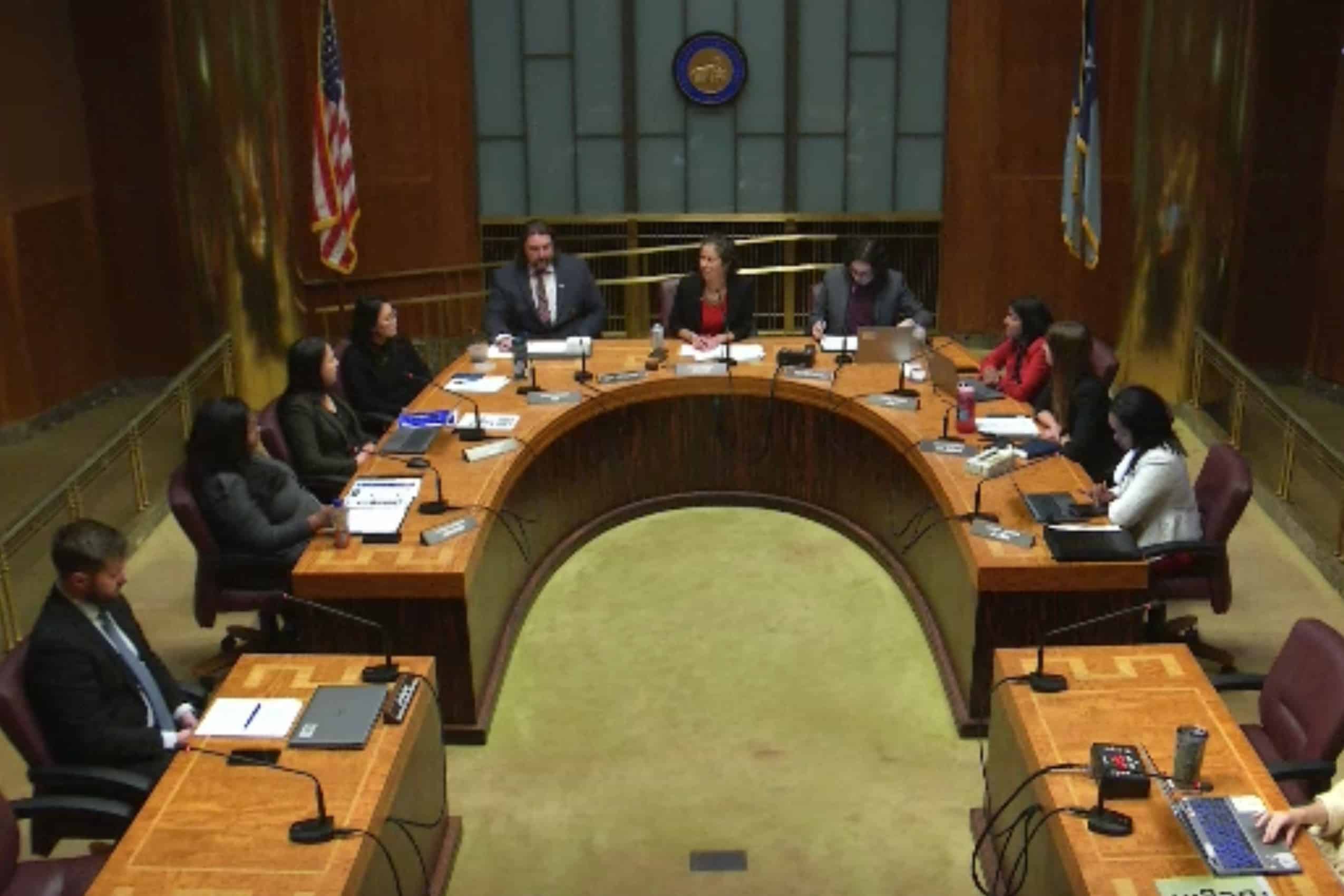
The St. Paul City Council unanimously approved a sweeping gun control ordinance that will ban “assault weapons, large-capacity magazines, and binary triggers within city limits.”
The ordinance is expected to be signed by Mayor Melvin Carter.
Since the August shooting at Annunciation Catholic School in Minneapolis, elected officials in Minnesota cities have expressed a desire to enact firearm regulations at the local level.
However, Minnesota state law explicitly preempts local jurisdictions from passing their own firearm regulations. In fact, Minnesota Statute 471.633 says that all ordinances from local governments that attempt to regulate firearms are “void.”
That law exists to ensure Minnesota has uniform gun laws throughout the state and to keep Minnesota from enduring a patchwork of conflicting gun laws that vary from city to city.
In the wake of the Annunciation shooting, mayors from St. Paul, Minneapolis, and other jurisdictions have called for the state legislature to either enact stricter gun control laws or repeal the firearm preemption law and let cities legislate their own regulations.
Given the closely-divided nature of the Minnesota Legislature, additional gun control laws or a repeal of the firearm preemption law are almost certainly going nowhere.
Last month, St. Paul drafted a gun control ordinance that would ban “assault weapons, large-capacity magazines, and binary triggers within city limits;” require all firearms to have serial numbers; restrict guns in city buildings and parks; and establish penalties for violations of the ordinance.
The city’s legislation uses a Minnesota state law definition of “assault weapon” which includes a wide variety of firearms. Among them is the AR-15 rifle, one of the most popular firearms in the country.
Additionally, the ordinance defines “large-capacity magazine” as “any ammunition feeding device that can accept more than twenty (20) rounds, including any device that can be readily restored or converted to accept more than twenty (20) rounds.”
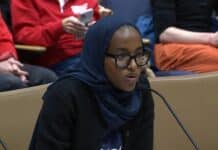
On Wednesday, the ordinance was approved in a 7-0 vote. Carter, who has voiced support for the proposal, is expected to sign the legislation into law. However, the ordinance itself states that its provisions will only become effective upon a change in the state preemption law.
Within minutes of the city council’s vote, the Minnesota Gun Owners Caucus slammed the ordinance and announced it is filing a lawsuit against the city.
“This illegal ordinance will immediately have a chilling effect on peaceable gun owners in our capital city,” said Bryan Strawser, the chair of the Minnesota Gun Owners Caucus. “It’s unfortunate that the City Council and Mayor have chosen to waste taxpayer dollars defending a performative ordinance that clearly violates state law.”
“We have been clear from the beginning, we will not back down and will always take action to defend the Second Amendment rights of peaceable Minnesotans to keep and bear arms,” added Strawser.
The Minnesota Gun Owners Caucus previously threatened to file a lawsuit against the City of Edina if the city passed an ordinance that attempts to regulate firearms. Edina has not yet taken any action on its pending gun control ordinance.
In a statement to Alpha News, St. Paul City Attorney Lyndsey Olson said “the City is ready to defend our authority to prepare for swift public-safety action—while respecting the rights of responsible gun owners—if state preemption is ever lifted.”
“Contingent ordinances are a common legal tool used in many areas of law, and despite the Minnesota Gun Caucus’s strong rhetoric, they have not been found to violate state firearm preemption law,” added Olson.
Meanwhile, Carter said “We have always maintained that the City cannot implement or enforce this ordinance until state preemption is lifted. By suing to block what we have always said we cannot do, the Minnesota Gun Owners Caucus makes it clear they agree with us—which only highlights the absurdity of their own filing.”
Luke Sprinkel
Luke Sprinkel previously worked as a Legislative Assistant at the Minnesota House of Representatives. He grew up as a Missionary Kid (MK) living in England, Thailand, Tanzania, and the Middle East. Luke graduated from Regent University in 2018.