

First responders put their lives on the line, but while health insurance for some injured police officers and firefighters has been stripped away, new efforts are underway at the State Capitol to restore some of the much-needed benefits for our community heroes—with an important hearing set for Wednesday, April 14.
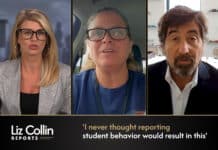
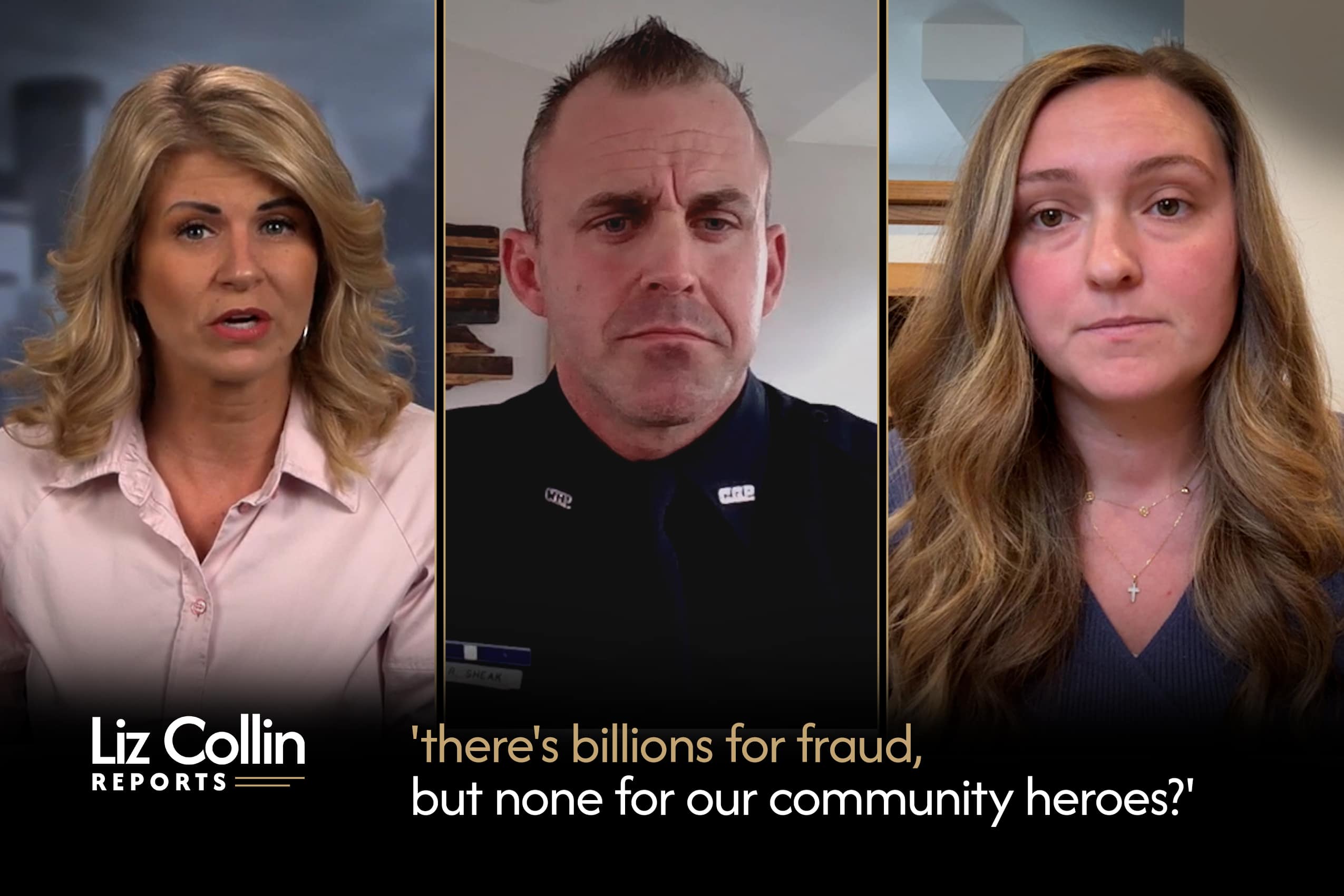
Amber Waldner—the wife of Nobles County Sheriff’s Deputy Logan Waldner, who suffered a traumatic brain injury in the line of duty—and police officer Ryan Sheak—who was shot three times and nearly lost his life—joined Liz Collin on her podcast and talked about the urgent need to fix state law for injured first responders.
WATCH:
Waldner discussed how a sudden change to state law last session caught her family off guard. Amber’s husband was helping with an accident near Worthington last year, when he was rear-ended by a driver who was speeding and using her phone. Logan suffered a traumatic brain injury.
Officer Sheak talked about his circumstances after being shot three times in the line of duty when he worked as a White Bear Lake officer a few years ago.
Amber and her husband, Deputy Logan Waldner
Amber explained that in addition to being a Nobles County deputy, her husband Logan is also a father to their two young children.
“Now we’re back in Nebraska at a subacute care, just working on rehabilitation, and he’s finally making progress,” Amber said.
Logan was in a coma for a month. He is confined to a wheelchair and just started to be able to communicate again about a month ago.
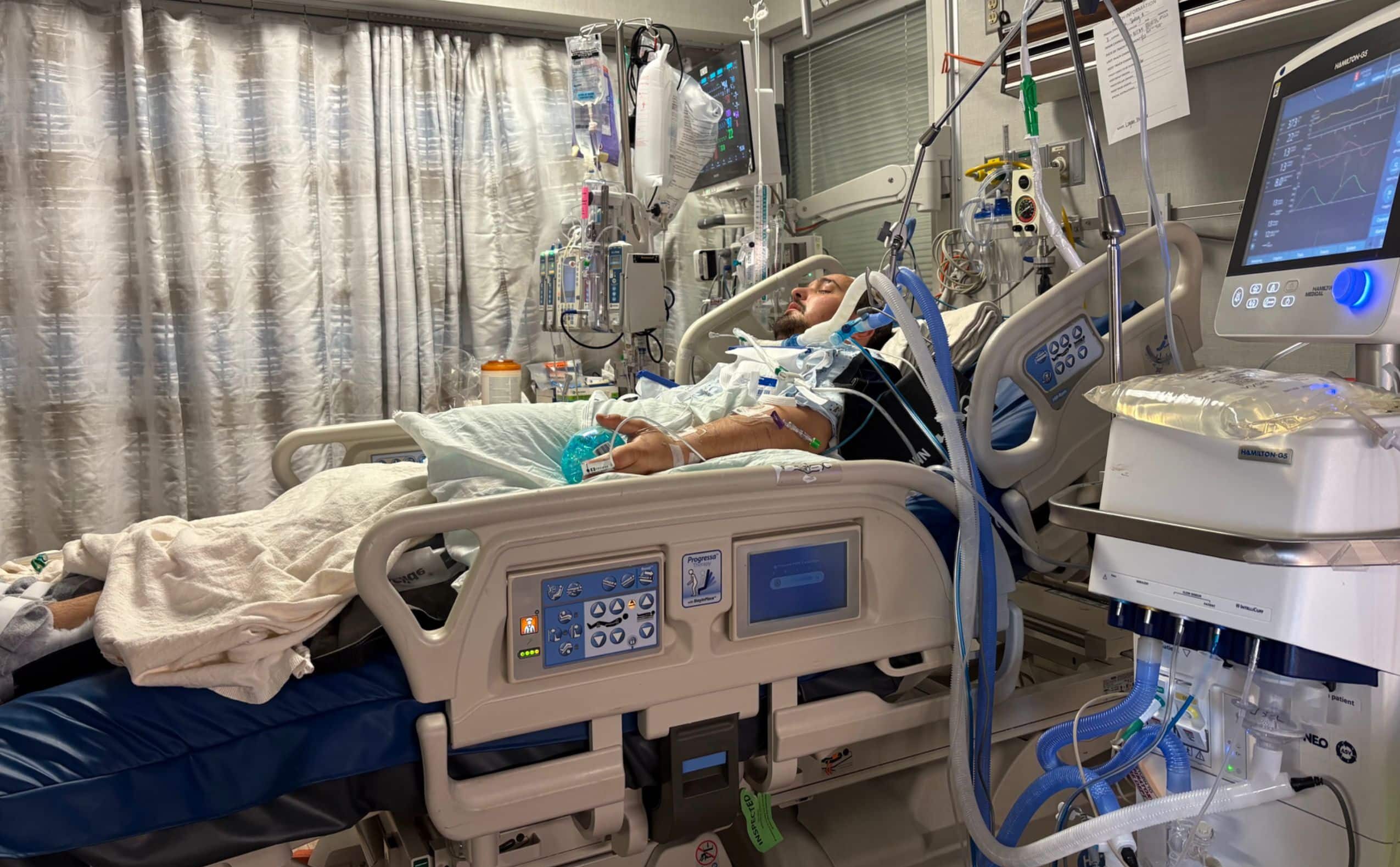
Without changes in state law, first responders like Logan will have health coverage for just five years—unless they qualify for a total and permanent duty disability pension. Previously, state law mandated health care coverage until the age of 65, if there was a job-related injury.
“I think the most devastating part of this is we are a very young family. My husband is 31 years old. So, if health insurance gets taken away from him after five years, we’re looking at 30-something years of being without good health insurance for him, his complex medical needs going forward, and then also just for our young kids,” Amber explained.
“It’s important for people to have that coverage if they suffered a work-related injury that’s going to disqualify them from benefits long term … It really worries me just the longevity of my family’s future,” Amber said.
The Waldner family shared that they are very thankful for all of the support they’ve received. There is a fund to help the Waldner family along with a Caring Bridge page to follow Logan’s recovery.
Officer Ryan Sheak
Sheak currently serves as an officer with the Cottage Grove Police Department—and was shot in the line of duty in 2023, when he worked as an officer for the White Bear Lake Police Department.
Sheak explained how he knew the person who shot him and had been involved with him before.
“He was a familiar person to us, we’d dealt with him. In fact, there were over 60 different cases that we had responded to over the years with him. He had just gotten done serving a six-month stint in a mental health facility,” Sheak explained.
“I was trying to negotiate with him as we do and just trying to have this be a very peaceful resolution. My partner and I tried to talk to him and for whatever his reasons were, during that encounter and that engagement with him, he opened the door and fired a weapon at us,” he said.
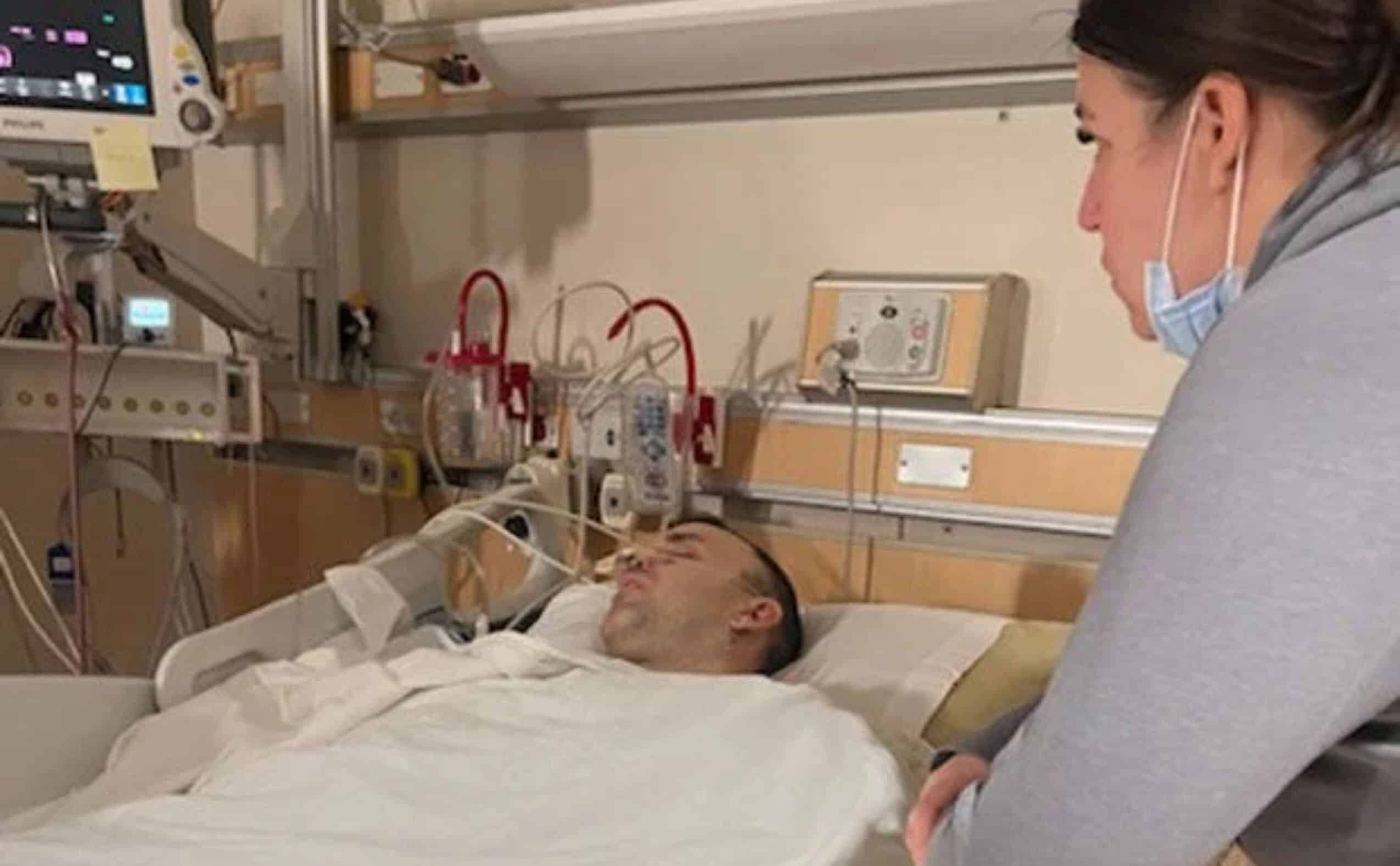
Sheak admits he’s lucky to be alive. He went back to work as a police officer about six months later but still struggles with the long-term effects.
“For me, the effects are ongoing lower back pain, nerve pain. I can’t sit or stand in one position for more than a half hour to an hour … I have these sharp pains that radiate from my lower back down to my foot, which cause a brief paralysis of my right leg from time to time. I have a lot of abdomen trauma as well from organs that needed to be taken out and fixed. And so, you know, the continuation of navigating those things are going to be forever ongoing,” Sheak said.
Sheak knows with the ongoing issues, he will eventually have to medically retire from the job he loves—but the way the law is currently written, that could make things difficult.
“It’s very frustrating. It’s very concerning. It saddens me and my family and brings a lot of anxiety and uncertainty to us,” he said.
“The fact of the matter is at some point in time, I’m going to have to hang this uniform up because of my injury. And then the burden is placed on me to figure out how it is that I’m going to continue to support my family. And I don’t know what that looks like,” Sheak explained.
“And to have that change in legislation from last year and looking forward to our future, I don’t understand it. I have a hard time comprehending how it is that they expect myself and my family to take on those things. I’m here today just as a police officer, as a husband, as a father, just asking to reform that—to claw that back and to support those of us who have sacrificed physically to protect the citizens,” Sheak said.
A hearing about health insurance for injured first responders is set for Wednesday, April 14.

Liz Collin
Liz Collin is a multi-Emmy-Award-winning investigative reporter, news anchor, and producer who cares about Minnesota. She is the producer of The Fall of Minneapolis and Minnesota v We the People documentary films, and author of the Amazon best-selling book, They’re Lying: The Media, the Left, and The Death of George Floyd. Her work has prompted important state laws. Yet perhaps most of all, Liz has been giving a voice to the truth—and helping others tell their stories—for more than 20 years.

Dr. JC Chaix
Dr. JC Chaix is an editor, educator, and an expert in media studies. He wrote and directed the Alpha News documentary "The Fall of Minneapolis" and "Minnesota v We the People."