


A fight over prayer, sacred land, and man’s best friend is brewing along the banks of the Mississippi River.
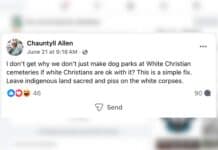
The Minneapolis Park and Recreation Board is preparing to close the Minnehaha Off-Leash Dog Park after 34 years, arguing the site is too spiritually significant to Native Americans to continue allowing dogs to roam free.
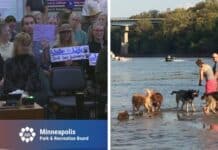
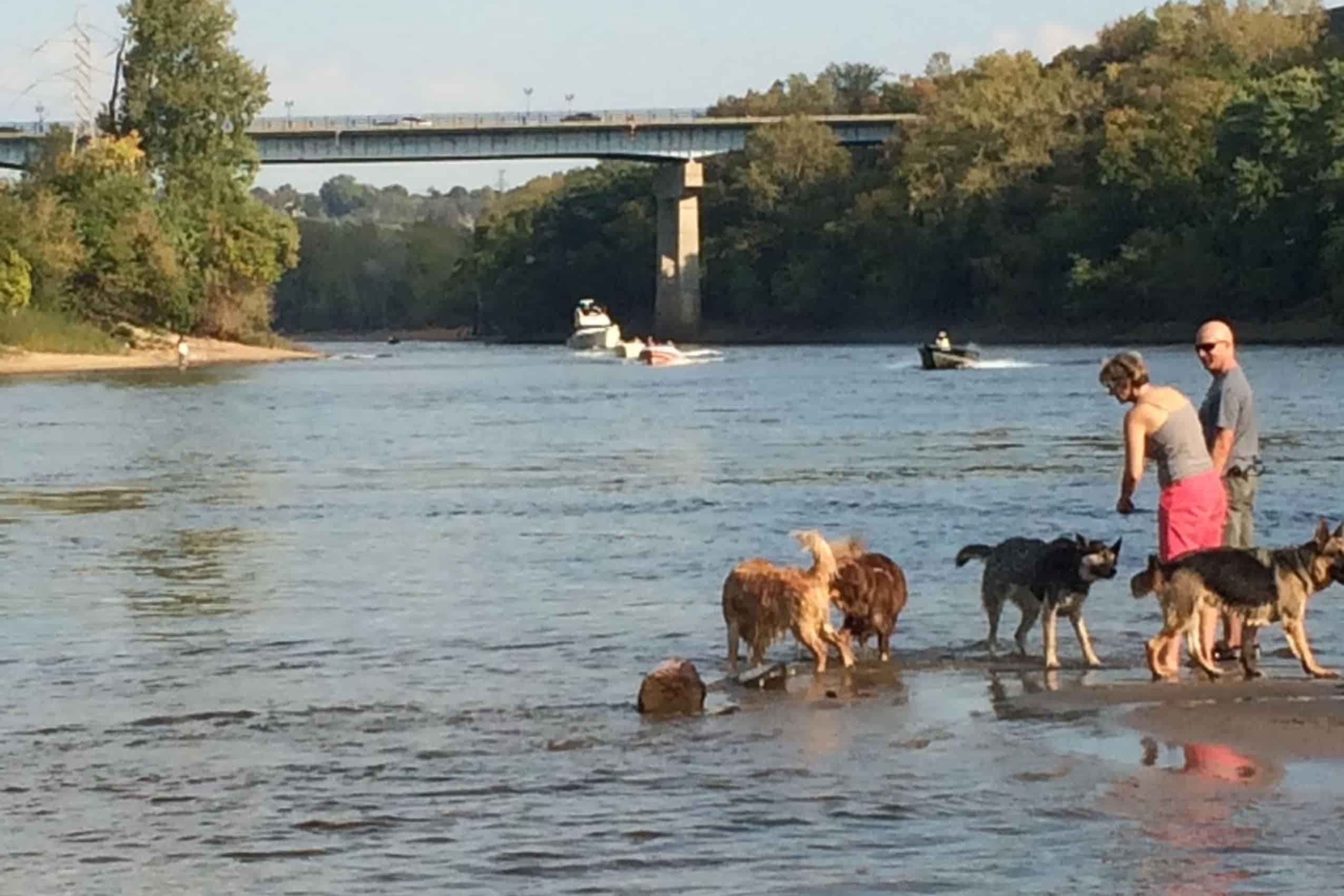
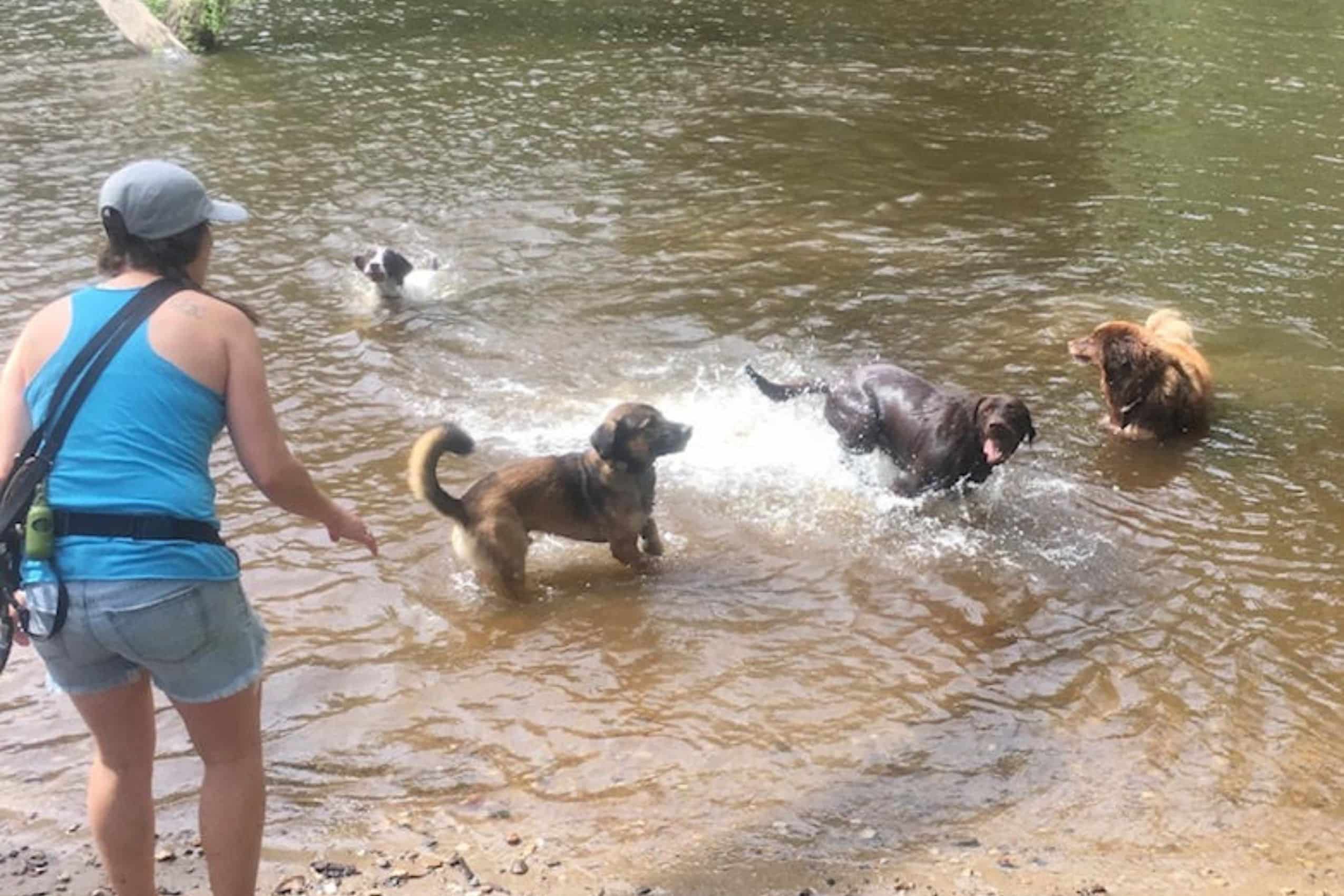
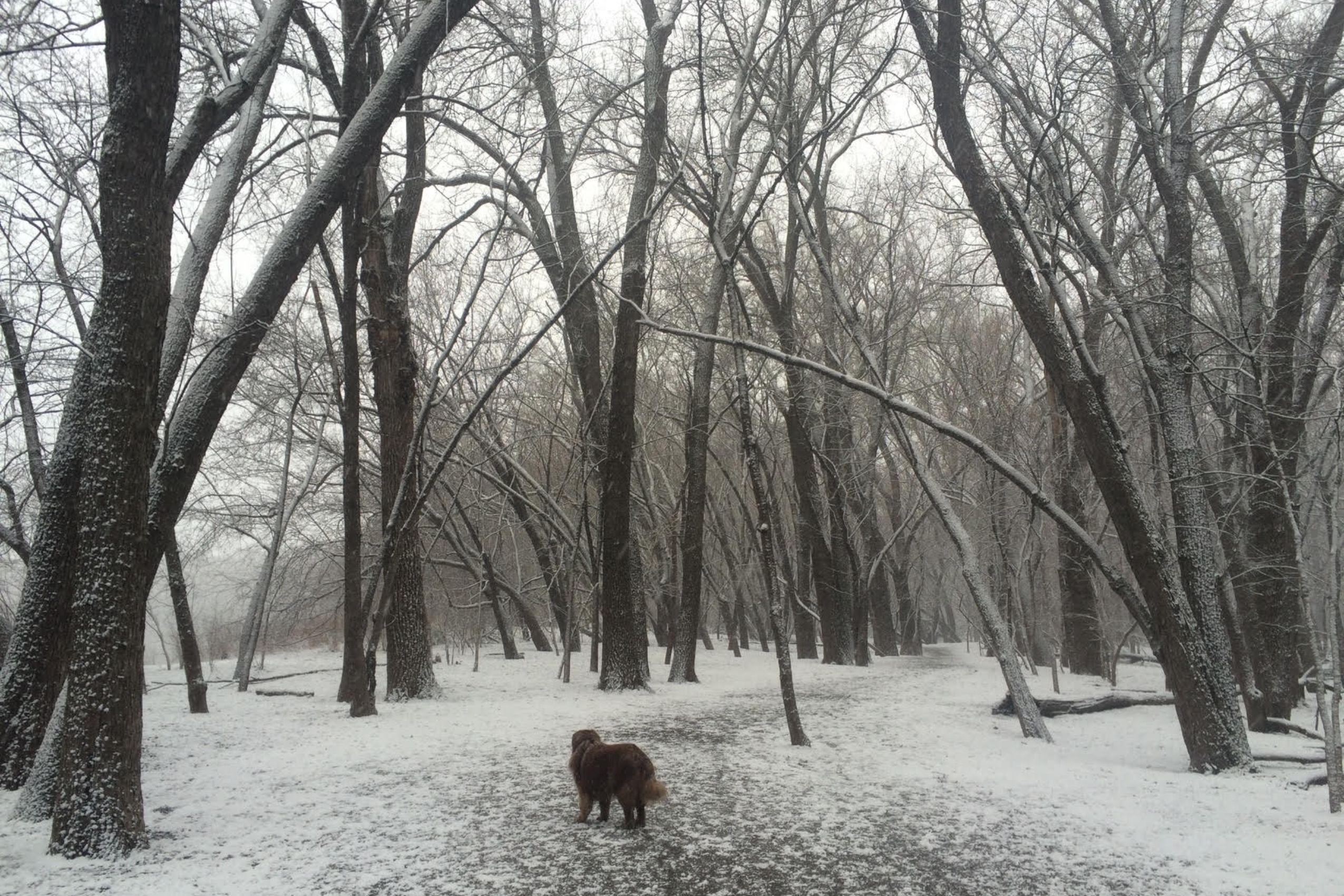
Users describe the site as Minneapolis’ most beloved dog park — a canine paradise featuring a stretch of riverfront where dogs can sprint through the woods, splash into the Mississippi and roam off leash across nearly six acres of bluffs, beaches and floodplain.
But supporters of the closure say the area is part of the Mni Owe Sni, or Coldwater Spring, landscape — a place of spiritual significance to the Dakota who believe the land contains unmarked Dakota graves and burial sites connected to the U.S.-Dakota War of 1862.
Mni Owe Sni was designated a Traditional Cultural Place and added to the National Register of Historic Places in 2023.
The board is scheduled to vote June 17 on a resolution that would decommission the off-leash area no later than Dec. 31, 2026. If approved, the park would remain open to the public, but dogs would be required to stay on leash. The plan also calls for the city to seek a replacement off-leash dog park elsewhere in Minneapolis.
Spiritual concerns drive proposal
The effort to close the off-leash dog park gained momentum after Minneapolis Park Board commissioners received a presentation last month from representatives of the Dakota community, the National Park Service, and the Minnesota Historical Society.
Among those who testified was Juanita Espinosa, a Dakota-Ojibwe community organizer and member of the Park Board’s Native American Advisory Council.
Espinosa described Mni Owe Sni as more than a historic site, calling it a “sacred site” where spirits of the dead gather and prayers from the living are heard.
“When we have a sacred site … that means we have spirits there. That means we’ve protected it so that we have a place for them to gather … like an energy field,” she said. “We can step into that space and we can know that they’ll hear us and take our prayers,” she said.
However, Espinosa told commissioners that dogs can interfere with that spiritual connection.
She claimed that if a dog is near someone who is praying, the animal can absorb the energy of those prayers instead of allowing it to reach the intended recipient.
“They in essence get that good energy, and that energy is supposed to go out to the person that made those prayers for,” Espinosa said. “If someone sees a dog there, they’re not gonna make their prayer there as a Native person.”
She concluded by describing dogs as “tattle-tales,” though she did not elaborate on how they would communicate the information they allegedly receive.
The presentation appeared to leave a strong impression on some commissioners.
“I’m 100% like, yes, we have to close the off-leash dog park,” Commissioner Dan Engelhart said. “I have two dogs at home and that’s the only dog park I’ll bring my dogs to, but not anymore, not once I learned about this. I won’t go there. We don’t bring off-leash dogs to do their number one or two or jump on people at cemeteries and sacred places.”
Engelhart made clear he expects backlash from dog owners and others who oppose the closure.
“People are gonna be in their feelings in less than healthy ways about this for sure,” he said.
In a public statement announcing the resolution, Commissioner Jason Garcia said the effort to close the off-leash dog park was driven by the site’s significance to the Dakota people.
“This is not a decision that was made lightly, but it is the right thing to do,” Garcia wrote. “I ran on a commitment to honoring the Indigenous history of our parks and being a partner to our Indigenous community members, and heard from many constituents that those values are important to them as well.”
Dog owners push back
Among the most vocal critics is Carter Casmaer, an emergency room physician and Ward 7 resident who has been bringing his dogs to the park since 2011. He called the move a “betrayal” of everyday taxpayers and their pets.
“It’s a betrayal to anyone of any political stripe who uses public land and pays for it,” he said. “And the worst part of all is it’s a betrayal to man’s best friend and our four-legged friends. This is an animal welfare story.”
For Casmaer, the issue is not just the potential loss of the dog park but what he describes as a process designed to avoid meaningful public input from people who oppose the change.
“Their focus on outreach is solely on how to inform the public that they’re closing the dog park,” he said. “They knew it was deeply unpopular, and they weren’t interested in incorporating public feedback.”
Instead of broad engagement with the hundreds of people who use the park daily, planning meetings featured mostly supportive voices and no real debate from dog owners, Casmaer said.
Casmaer pointed to Espinosa’s testimony about dogs absorbing the energy of prayers intended for others, saying those claims helped justify closing a park used by thousands of residents.
“That’s what they’re using as justification for closing a public good,” he said.
Casmaer said the proposal to continue allowing leashed dogs undermines the argument that dogs interfere with prayers or the sacred nature of the site, saying it is unclear why leashed dogs would be acceptable while unleashed dogs would not.
“So which one is it? Dogs are just too terrible to be present on the land, they move and desecrate any site? Or they can be on leash and this solves the issue?” Casmaer said. “It’s messy. It’s poorly thought out. It’s performative and it’s just lazy virtue signaling by the board.”
Opposition to the proposal has now organized online
A website called Save Minnehaha Off-Leash Dog Park was launched in response to the closure effort and is demanding the park board release non-confidential portions of the studies used to justify the decision, conduct a full alternatives analysis — including fencing and buffer options — and secure equivalent replacement access before shutting down the park.
The group is also calling for the process to be paused until the public has an opportunity to review and respond to a complete plan.
Alpha News contacted Commissioner Garcia and Maggie Lorenz, a member of the Native American Advisory Council and representative of Wakan Tipi Awanyankapi, seeking comment but did not receive a response.

Jenna Gloeb
Jenna Gloeb is an Edward R. Murrow Award-winning journalist, media producer, public speaker, and screenwriter. Most recently, she worked as a reporter and on-air host for CCX Media. Jenna is a Minnesota native and resides in the Twin Cities with her husband, son, daughter, and two dogs.