

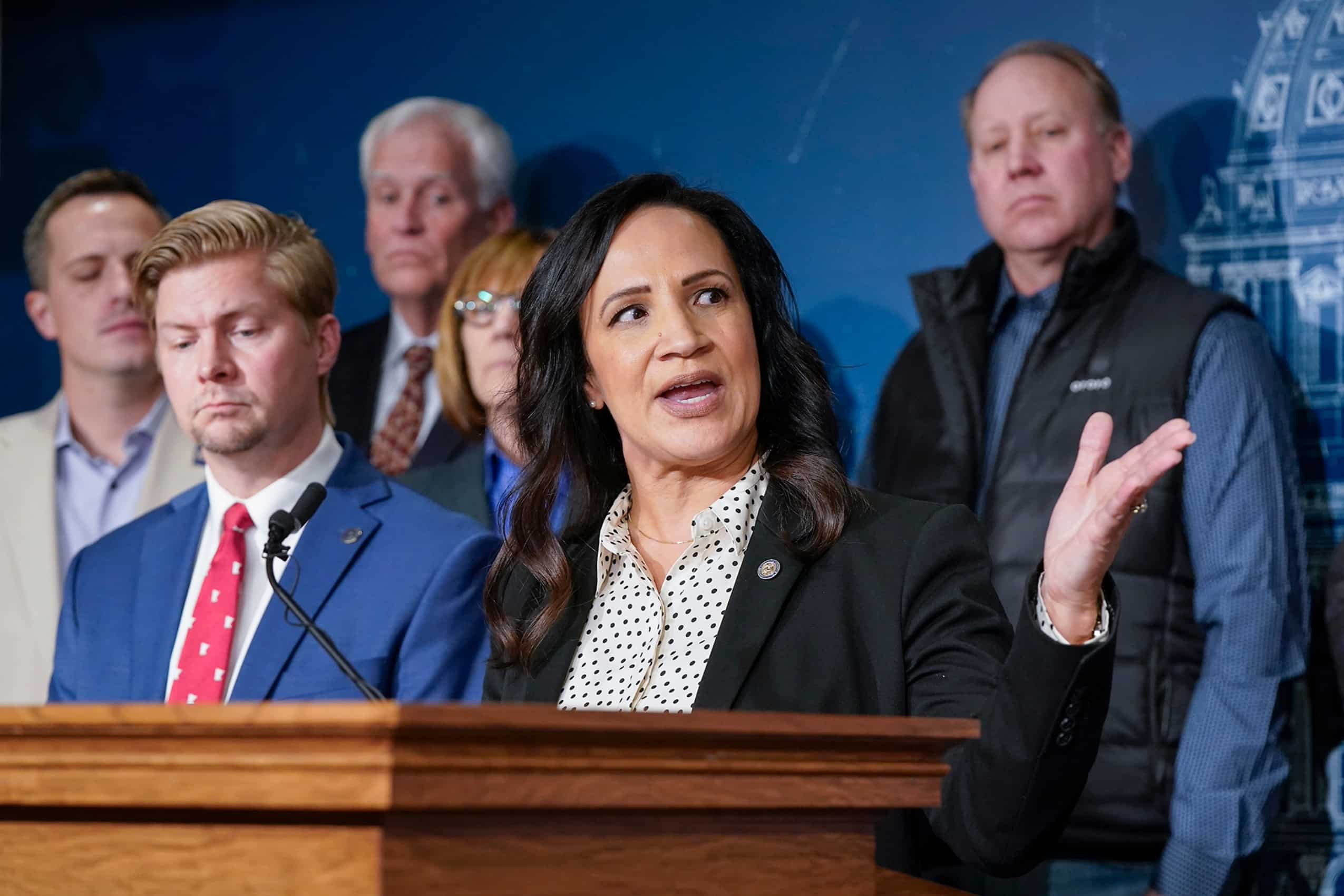
Lawmakers in Minnesota reached a final deal to conclude the 2026 legislative session. That deal includes a series of anti-fraud proposals, a bailout of Hennepin County Medical Center (HCMC), a temporary suspension of tab fee increases, and a $1.2 billion bonding bill.
The agreement comes just days before the 2026 legislative session officially concludes and was approved by Gov. Tim Walz, DFL Senate Majority Leader Erin Murphy, and the GOP and DFL leaders in the tied Minnesota House of Representatives.
One of the largest components of the budget deal is a bailout of HCMC, a Level-1 trauma center in downtown Minneapolis. For months, state and local officials have warned that the hospital is on the brink of financial collapse.
Under the legislative deal, $705 million is allocated to HCMC over several years and another $30 million will go to other distressed hospitals around the state. Additionally, a task force will be formed to put together a plan for HCMC’s long-term sustainability.
The budget deal will also suspend vehicle tab fee increases that were implemented by the DFL trifecta in 2023. In recent months, Minnesotans have expressed outrage that their vehicle tab fees are higher than ever before.
According to the Senate Republican Caucus, this week’s budget deal will revert vehicle tab fees to their 2022 rate for one year. At a press briefing, GOP Sen. John Jasinski said that change will start at the beginning of 2027.
Additionally, the bipartisan budget deal includes $125 million in property tax relief that will be available via the normal property tax refund process. In short, Minnesotans who get a property tax refund will see their homestead credit increased by 12%.
Further, the deal includes millions of dollars for school safety and lawmaker security that were major legislative priorities following the June shooting of two lawmakers and the August shooting at Annunciation Catholic Church.
The public safety package is expected to include funding for increased security at state courthouses as well as the Minnesota State Capitol Complex. Meanwhile, the school safety package is expected to include funding for school-linked mental health and anonymous threat reporting systems for both public and private schools.
Earlier this month, lawmakers in the House and Senate passed legislation to create a statewide office to investigate fraud in state programs. While that bill was the most significant anti-fraud bill passed this year, this week’s budget deal also includes a few more anti-fraud measures.
First, the budget deal includes a requirement that businesses and organizations enrolled in state-run, Medicaid-funded programs must use electronic attendance records to verify that they are not inflating the number of people they serve.
Many of the fraud schemes perpetrated in Minnesota have occurred because fraudsters received taxpayer-funded reimbursements after lying about how many people they serve.
Additionally, this week’s budget deal includes legislation that will tax 100% of the funds fraudsters received via their schemes. Legislation allowing state agencies to temporarily withhold payments issued in state-run programs also appears to be in the deal.
Finally, the bipartisan budget deal includes a $1.2 billion bonding bill to fund various infrastructure projects across the state.
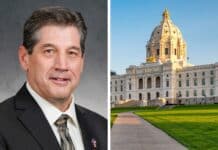
At a press conference Thursday afternoon, Republican House Speaker Lisa Demuth and GOP House Floor Leader Harry Niska championed the deal, with Demuth saying the deal does “very, very good things for Minnesota.”
Niska, who said the budget agreement delivered accountability and affordability, noted that Democrats increased tab fees and catalyzed property tax increases when they controlled all of state government in 2023 and 2024.
“As Minnesotans go into the fall and to this next election season, I think it’s important for them to understand how Republicans having a seat at the table, having a voice here in St. Paul, have been able to deliver results on accountability for those who are committing fraud, and affordability to make your lives better,” Niska said.
“Those were our top priorities and we were able to deliver on them,” he added.
Meanwhile, House DFL Leader Zack Stephenson said his caucus was “very proud” of the deal because it saved HCMC. He also said his caucus is “thrilled” with the bonding bill and noted that the overall deal reduces the state’s “structural deficit” by over 10 percent.
On a similar note, Murphy said her caucus was proud of the work to protect hospitals and provide property tax relief. However, both Stephenson and Murphy expressed frustration that high-priority DFL items were left out of the deal.
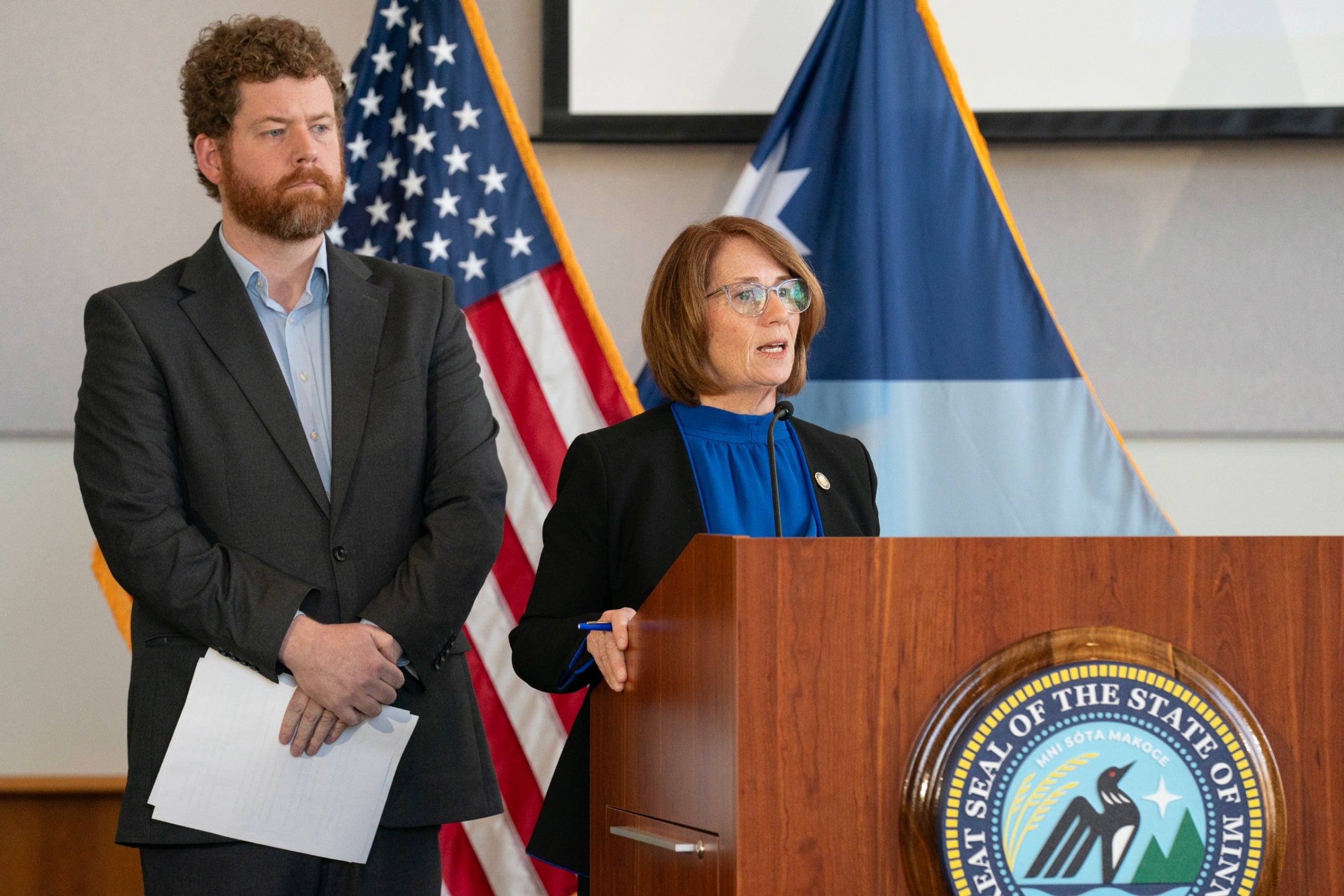
Specifically, the deal did not include DFL gun control proposals or legislation responding to the federal government’s recent immigration enforcement efforts in Minnesota.
Stephenson said his caucus was “very frustrated” that they did not get “comprehensive gun violence prevention,” and Murphy said “there are a number of things that got left behind” because the Republican House rejected DFL Senate proposals.
Last year, lawmakers enacted a two-year, $66 billion state budget that funds Minnesota state government through June of 2027. As such, this week’s budget agreement is not a complete state budget but is instead an addendum to what was enacted in 2025.
Now, legislators and staff are working to get the 2026 budget deal through the drafting process and onto the floors of both chambers.
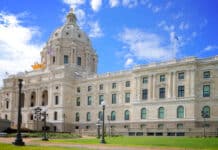
While the Minnesota Constitution says the legislative session must end on May 18, the Constitution also says lawmakers cannot pass legislation on the final day. As such, DFLers and Republicans have through Sunday, May 17 to get their deal across the finish line.

Luke Sprinkel
Luke Sprinkel previously worked as a Legislative Assistant at the Minnesota House of Representatives. He grew up as a Missionary Kid (MK) living in England, Thailand, Tanzania, and the Middle East. Luke graduated from Regent University in 2018.