



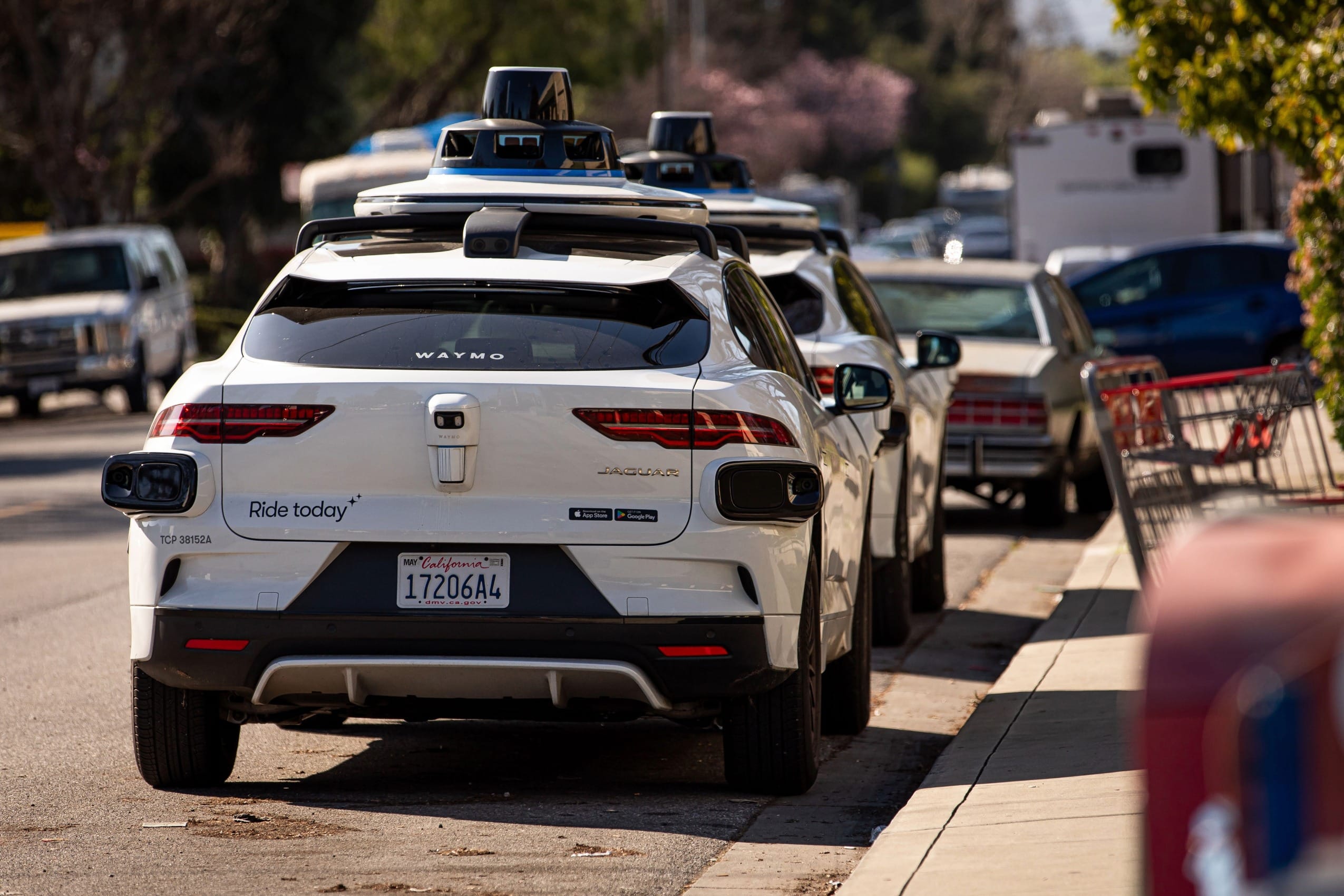
The Minneapolis City Council approved an ordinance Thursday that requires autonomous ride-share vehicles, or robotaxis, to be accompanied by a human in the driver’s seat at all times. However, Minneapolis Mayor Jacob Frey vetoed the ordinance on Friday.
In recent years, autonomous vehicle services have developed rapidly and tech companies have begun putting driverless vehicles on the road for consumer use. Waymo, a company owned by Google’s parent corporation, currently operates robotaxis in 10 U.S. cities.
Further, Tesla has begun offering robotaxi services in Texas, and Amazon is also developing its own robotaxi service.
While autonomous vehicle services are currently not available in Minnesota, Waymo is in the process of bringing those services to Minneapolis. As such, the Minneapolis City Council has begun examining how those services should be regulated.
On Thursday, the 13-member council voted 7-6 to approve an ordinance that regulates the autonomous vehicle services industry. However, the ordinance included a requirement that driverless vehicles be accompanied by a “human safety monitor.”
“No autonomous transportation network vehicle may provide autonomous transportation network services on public right of ways without a human safety monitor physically present within the driver’s seat of the vehicle and with immediate access to controls for steering, braking, and acceleration,” the ordinance said.
In short, the city council’s ordinance would defeat the purpose of autonomous vehicles by placing a person behind the wheel of the vehicle as it operates. The ordinance would not become effective until October of 2027.
On Thursday, council members who supported the ordinance expressed concern about the safety of autonomous vehicles. Additionally, they warned that driverless cars would result in job losses for people who drive for ride-share companies like Uber and Lyft.
Multiple council members warned that the autonomous vehicles would impact immigrant communities. According to a 2024 report from the Minnesota Department of Labor and Industry, 61% of drivers for ride-share companies are foreign-born.
Meanwhile, opponents of the ordinance said no other city requires a “human monitor” in autonomous vehicles and people should get to choose if they want to ride in a driverless car. Another council member said driverless cars have not caused a single fatal car crash.
Ultimately, the council’s far-left and DSA-aligned members supported the ordinance while the more pro-business Democrats on the council voted against it. On Friday, Mayor Frey vetoed the ordinance.
In his veto letter, Frey acknowledged that “local governments should have a role in regulating autonomous vehicles (AV),” but the ordinance did not address certain regulatory matters and “instead requires a driver to sit in driverless vehicles.”
“Requiring a human monitor in AV ride share cancels out the benefits for riders who prefer a driverless vehicle for safety and reliability,” Frey added.
“Minneapolis must be open for business, including innovative technology,” the mayor wrote. “I am ready to work with the Council on an ordinance that addresses both safety concerns and practicalities of AV ride share. But I cannot support a back door ban that belies our progressive tradition in Minneapolis.”

Luke Sprinkel
Luke Sprinkel previously worked as a Legislative Assistant at the Minnesota House of Representatives. He grew up as a Missionary Kid (MK) living in England, Thailand, Tanzania, and the Middle East. Luke graduated from Regent University in 2018.