



(The College Fix) — Whether “directly or indirectly,” U.S. Sen. Bill Cassidy wants to know if the University of Minnesota used tax dollars to fund the development of “therapeutic” “transgender” dolls for children as young as 4.
“Americans expect taxpayer-supported institutions to prioritize rigorous medical research and evidence-based care, not projects that encourage children as young as four to question the reality of biological sex,” the Louisiana Republican wrote in a letter Tuesday to the university.
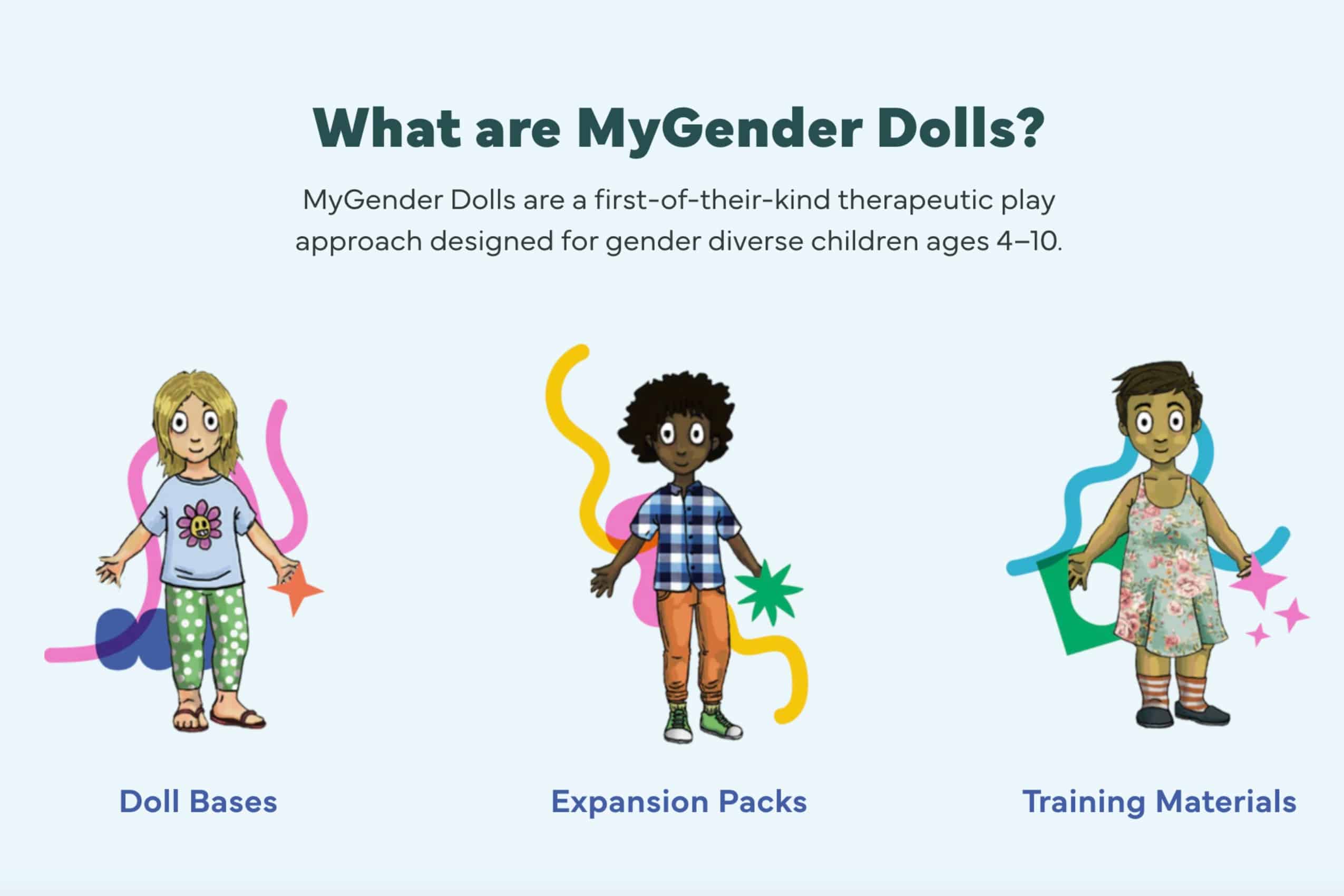
As The College Fix first reported, the MyGender Dolls website says the “therapeutic” product is slated to launch later this year. The paper doll-like product allows children to choose different genitalia, clothes, and other accessories to help them “visualize their anatomy and genders,” according to the product developers. They are being advertised as a tool for clinicians and educators who work with children ages 4-10.
Cassidy demanded that the public university’s Eli Coleman Institute for Sexual and Gender Health provide a series of documents about the project by Aug. 25, including the funding sources and the timeline.
“The use of dolls featuring interchangeable genitalia and reproductive organs with children as young as four, particularly to encourage discussions about chemical and surgical interventions to their bodies, is extremely concerning and is inconsistent with federal directives,” he wrote in a letter addressed to Coleman Institute Director Kristen Mark.
He is the chairman of the U.S. Senate Health, Education, Labor, and Pensions Committee; he also is a medical doctor.
The University of Minnesota has said the project was “solely funded by private donations,” but Cassidy wrote that its gender institute “acknowledges receiving millions of dollars in state and federal funding for its research.”
Additionally, the MyGender Dolls project “received awards through university commercialization programs with federal connections, raising additional questions about whether federal resources directly or indirectly supported its development,” he wrote.
His letter questions whether the project may violate President Donald Trump’s executive order banning federal tax dollars from being used to promoting gender ideology among young children.
Cassidy also brought up the Protection of Pupil Rights Amendment, which protects parents’ right to know and opt their children out of participating in, among other things, programs on gender and sexuality in public schools.
The dolls are being advertised for “clinicians and educators,” which the senator said raises questions about whether parents are being given the chance to remove their children from such programming.
“Although the MyGender Dolls website indicates the dolls will launch in 2026, prototype versions have already been used with children in clinical settings,” his letter states, citing a now-deleted article on the university’s website.
The March 2020 article, published by the university’s Discovery Magazine, quoted therapist Elizabeth Panetta, who “described the dolls as a valuable tool in her work with children, stating: ‘We were able to explore and brainstorm not just what our bodies are able to do now but what we want our bodies to do and look like in the future.’”
Last month, the U.S. Department of Education also launched a separate investigation into the MyGender Dolls project after the conservative watchdog group Defending Education filed a complaint, The Fix reported.
The project also faced criticism from the American College of Pediatricians, a medical organization focused on “protecting the biological integrity of children against transgender ideology.”
Dr. Quentin Van Meter, immediate past president, told The Fix in July that the dolls are “just a grooming tool” and “have no place in an ethical medical care world.”
Van Meter said children ages of 3 to 7 who are persuaded into believing that sex can be changed will become “confused” and “vulnerable to anxiety.” He said the clear basis for gender dysphoria is “emotional trauma caused by ideologues as parents or teachers or counselors.”
This article was originally published by The College Fix and reprinted here with permission.

Micaiah Bilger | The College Fix
Micaiah Bilger is an assistant editor at The College Fix.